Del 3 - Archaeopress Ancient Near Eastern Archaeology
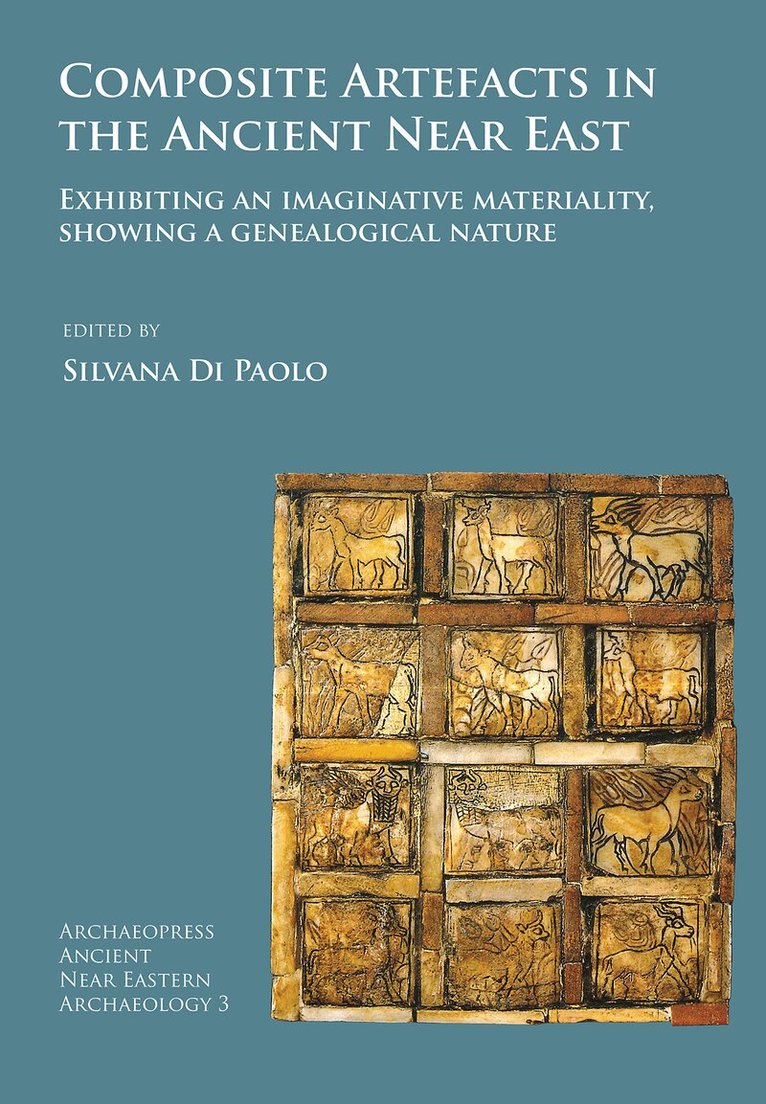
Composite Artefacts in the Ancient Near East
Exhibiting an imaginative materiality, showing a genealogical nature
Häftad, Engelska, 2018
385 kr
Skickas
Composite Artefacts in the Ancient Near East: Exhibiting an imaginative materiality, showing a genealogical nature examines the complex relationship between environment, materials, society and materiality with particular reference to the composite artefacts in the ancient Near East. On the one hand are the objective and natural attributes of materials, possibly exalted from their transformation: a form of fascination immanent in all kind of technical activity which promotes the transition from the ordinary into an ‘extra-ordinary’ realm, imbuing the object with new meaning. On the other hand is the idea that properties of materials are not fixed attributes of ‘matters’, but are processual as well as relational: the qualities of artefacts are subjective and are included in the worldview of artisans making them, as well as in the mind of who observes who appreciate them. Thus, the craftsmanship is oriented towards the achievement of sophisticated products through assemblage techniques and the blending of contrasting properties and qualities of materials. The term ‘composite’ is a combination of the power of technology and the ability to form new images: the strict relationship between creativity, technology and manufacture produces novel interactions and solutions.Although the primary concern of this volume is to provide specific case studies in which theoretical assumptions and hypotheses can be applied to the ancient evidence, most of the papers take not only the general perspective, such as the relationship between materials and humans, but also a defined body of evidence – material, textual and visual through which they address the issue. This volume represents a first attempt to conceptualise the construction and use of composite artefacts: the richness of approaches, the development of new issues depending on specific case studies, and the overturning of widely accepted ideas, show the interest towards this category of objects and the opportunity to enlarge this field study in the future.