303 kr
Skickas inom 7-10 vardagar
303 kr
Skickas inom 7-10 vardagar
381 kr
Skickas inom 7-10 vardagar
260 kr
Skickas inom 7-10 vardagar
444 kr
Skickas inom 10-15 vardagar
192 kr
Tillfälligt slut
1 300 kr
Skickas inom 7-10 vardagar
326 kr
Skickas inom 7-10 vardagar
944 kr
Skickas inom 10-15 vardagar
465 kr
Skickas inom 10-15 vardagar
525 kr
Skickas inom 10-15 vardagar
1 240 kr
Skickas inom 7-10 vardagar
1 584 kr
Skickas inom 7-10 vardagar
364 kr
Läs direkt efter köp
214 kr
Läs direkt efter köp
1 521 kr
Skickas inom 10-15 vardagar
741 kr
Skickas inom 7-10 vardagar
284 kr
Läs direkt efter köp
741 kr
Skickas inom 7-10 vardagar
260 kr
Skickas inom 7-10 vardagar
294 kr
Läs direkt efter köp
564 kr
Skickas inom 7-10 vardagar
216 kr
Skickas inom 7-10 vardagar
243 kr
Läs direkt efter köp
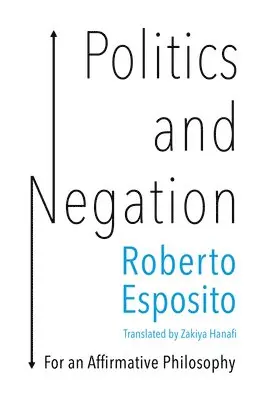
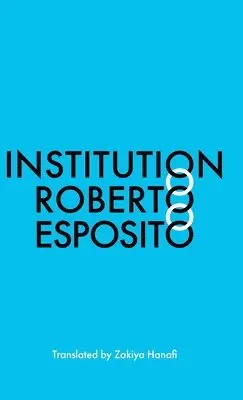
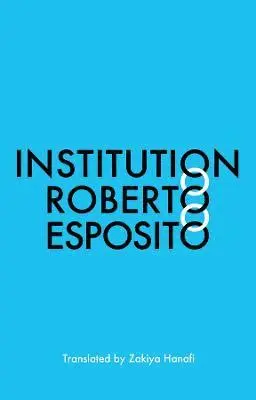
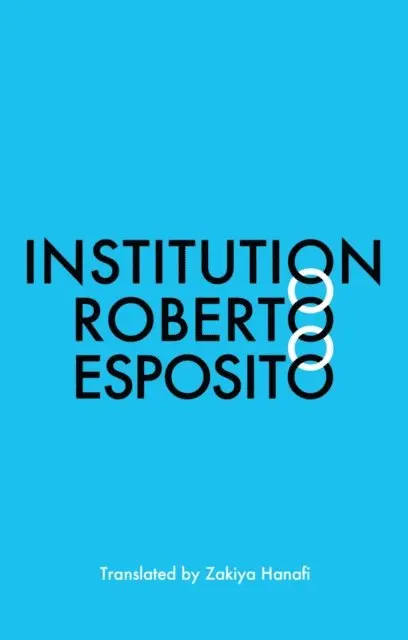
The pandemic has brought into sharp relief the fundamental relationship between institution and human life: at the very moment when the virus was threatening to destroy life, human beings called upon institutions – on governments, on health systems, on new norms of behavior – to combat the virus and preserve life. Drawing on this and other examples, Roberto Esposito argues that institutions and human life are not opposed to one another but rather two sides of a single figure that, together, delineate the vital character of institutions and the instituting power of life. What else is life, after all, if not a continuous institution, a capacity for self-regeneration along new and unexplored paths? No human life is reducible to pure survival, to “bare life.” There is always a point at which life reaches out beyond primary needs, entering into the realm of desires and choices, passions and projects, and at that point human life becomes instituted: it becomes part of the web of relations that constitute social, political, and cultural life.
689 kr
Skickas inom 7-10 vardagar
230 kr
Skickas inom 7-10 vardagar
253 kr
Läs direkt efter köp
810 kr
Läs direkt efter köp
531 kr
Skickas inom 7-10 vardagar
211 kr
Läs direkt efter köp
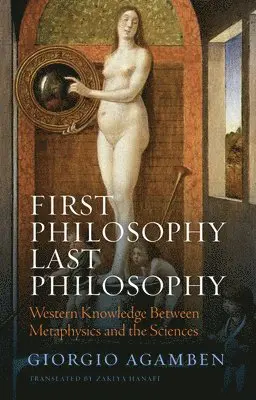
What is at stake in that form of inquiry that the western philosophical tradition has called “first philosophy” or “metaphysics”? Is it an abstract, now outmoded branch of philosophy, or does it address a problem that is still of great interest – namely the unity of western knowledge?
In fact, metaphysics is “first” only in relation to the other two sciences that Aristotle called “theoretical”: the study of nature (phusikē) and mathematics. It is the strategic sense of this “primacy” that needs to be examined, because what is at issue here is nothing less than the relationship – of domination or subservience, conflict or harmony – between philosophy and science. The hypothesis of this book is that philosophy’s attempt to use metaphysics as a way of securing primacy among the sciences has resulted instead in its subservience: philosophy, once handmaiden to theology (ancilla theologiae), has now become more or less consciously handmaiden to the sciences (ancilla scientiarum). So it is all the more urgent to explore the nature and limits of this primacy and subservience, which is what the present book does through an archaeological investigation of metaphysics.
This important rereading of the western philosophical tradition by a leading thinker will be of interest to students and scholars in philosophy, critical theory and the humanities more generally, and to anyone interested in contemporary philosophy and European thought.
648 kr
Läs direkt efter köp
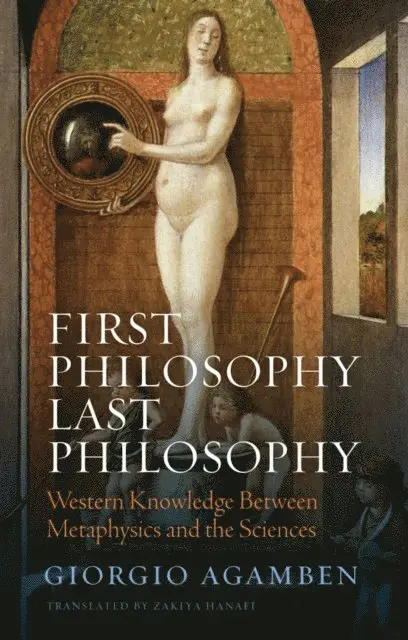
What is at stake in that form of inquiry that the western philosophical tradition has called “first philosophy” or “metaphysics”? Is it an abstract, now outmoded branch of philosophy, or does it address a problem that is still of great interest – namely the unity of western knowledge?
In fact, metaphysics is “first” only in relation to the other two sciences that Aristotle called “theoretical”: the study of nature (phusikē) and mathematics. It is the strategic sense of this “primacy” that needs to be examined, because what is at issue here is nothing less than the relationship – of domination or subservience, conflict or harmony – between philosophy and science. The hypothesis of this book is that philosophy’s attempt to use metaphysics as a way of securing primacy among the sciences has resulted instead in its subservience: philosophy, once handmaiden to theology (ancilla theologiae), has now become more or less consciously handmaiden to the sciences (ancilla scientiarum). So it is all the more urgent to explore the nature and limits of this primacy and subservience, which is what the present book does through an archaeological investigation of metaphysics.
This important rereading of the western philosophical tradition by a leading thinker will be of interest to students and scholars in philosophy, critical theory and the humanities more generally, and to anyone interested in contemporary philosophy and European thought.