178 kr
Skickas inom 7-10 vardagar
178 kr
Skickas inom 7-10 vardagar
678 kr
Skickas inom 7-10 vardagar
494 kr
Skickas inom 3-6 vardagar
1 309 kr
Skickas inom 7-10 vardagar
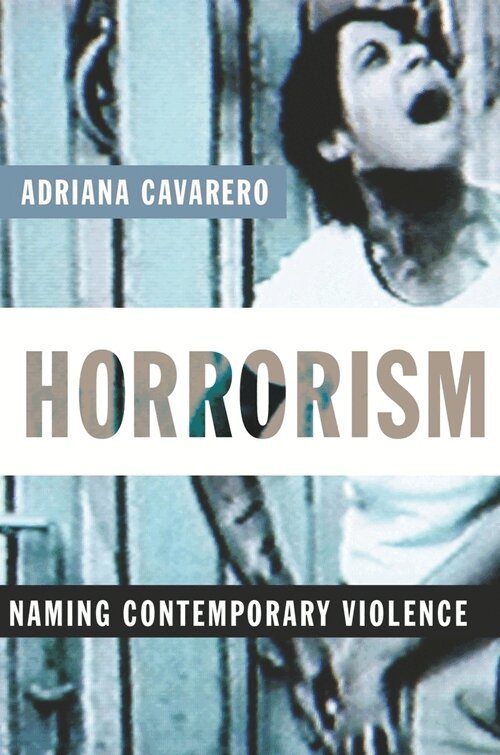
Naming Contemporary Violence
263 kr
Skickas inom 7-10 vardagar
318 kr
Skickas inom 7-10 vardagar
258 kr
Skickas inom 7-10 vardagar
482 kr
Skickas inom 7-10 vardagar
240 kr
Skickas inom 3-6 vardagar
1 044 kr
Skickas inom 7-10 vardagar
266 kr
Skickas inom 7-10 vardagar
234 kr
Skickas inom 7-10 vardagar
179 kr
Skickas inom 7-10 vardagar
828 kr
Skickas inom 7-10 vardagar
257 kr
Skickas inom 7-10 vardagar
Naming Contemporary Violence
1 044 kr
Skickas inom 7-10 vardagar
925 kr
Skickas inom 7-10 vardagar
247 kr
Skickas inom 7-10 vardagar
698 kr
Skickas inom 7-10 vardagar
176 kr
Skickas inom 7-10 vardagar
785 kr
Skickas inom 7-10 vardagar
206 kr
Skickas inom 7-10 vardagar
871 kr
Skickas inom 7-10 vardagar
209 kr
Skickas inom 7-10 vardagar
958 kr
Skickas inom 7-10 vardagar
243 kr
Skickas inom 7-10 vardagar
225 kr
Läs direkt efter köp
Take a breath.... Read slowly.How often in the course and crush of our daily lives do we afford ourselves moments to truly relish-to truly be present in-the act of preparing and eating food? For most of us, our enjoyment of food has fallen victim to the frenetic pace of our lives and to our increasing estrangement, in a complex commercial economy, from the natural processes by which food is grown and produced. Packaged, artificial, and unhealthful, fast food is only the most dramatic example of the degradation of food in our lives, and of the deeper threats to our cultural, political, and environmental well-being.In 1986, Carlo Petrini decided to resist the steady march of fast food and all that it represents when he organized a protest against the building of a McDonald''s near the Spanish Steps in Rome. Armed with bowls of penne, Petrini and his supporters spawned a phenomenon. Three years later Petrini founded the International Slow Food Movement, renouncing not only fast food but also the overall pace of the "fast life." Issuing a manifesto, the Movement called for the safeguarding of local economies, the preservation of indigenous gastronomic traditions, and the creation of a new kind of ecologically aware consumerism committed to sustainability. On a practical level, it advocates a return to traditional recipes, locally grown foods and wines, and eating as a social event. Today, with a magazine, Web site, and over 75,000 followers organized into local "convivia," or chapters, Slow Food is poised to revolutionize the way Americans shop for groceries, prepare and consume their meals, and think about food. Slow Food not only recalls the origins, first steps, and international expansion of the movement from the perspective of its founder, it is also a powerful expression of the organization''s goal of engendering social reform through the transformation of our attitudes about food and eating. As Newsweek described it, the Slow Food movement has now become the basis for an alternative to the American rat race, the inspiration for "a kinder and gentler capitalism." Linger a while then, with the story of what Alice Waters in her Foreword calls "this Delicious Revolution," and rediscover the pleasures of the good life.
371 kr
Läs direkt efter köp
For Elisabeth Roudinesco, a historian of psychoanalysis and one of France''s leading intellectuals, Canguilhem, Sartre, Foucault, Althusser, Deleuze, and Derrida represent a "great generation" of French philosophers who accomplished remarkable work and lived incredible lives. These troubled and innovative thinkers endured World War II and the cultural and political revolution of the 1960s, and their cultural horizon was dominated by Marxism and psychoanalysis, though they were by no means strict adherents to the doctrines of Marx and Freud. Roudinesco knew many of these intellectuals personally, and she weaves an account of their thought through lived experience and reminiscences. Canguilhem, for example, was a distinguished philosopher of science who had a great influence on Foucault''s exploration of sanity and madness-themes Althusser lived in a notorious personal drama. And in dramatizing the life of Freud for the screen, Sartre fundamentally altered his own philosophical approach to psychoanalysis.Roudinesco launches a passionate defense of Canguilhem, Sartre, Foucault, Althusser, Deleuze, and Derrida against the "new philosophers" of the late 1970s and 1980s, who denounced the work-and sometimes the private lives-of this great generation. Roudinesco refutes attempts to tar them, as well as the Marxist and left-wing tradition in general, with the brush of Soviet-style communism. In Freudian theory and the philosophy of radical commitment, she sees a bulwark against the kind of manipulative, pill-prescribing, and normalizing psychology that aims to turn individuals into mindless consumers. Intense, clever, and persuasive, Philosophy in Turbulent Times captivates with the dynamism of French thought in the twentieth century.
318 kr
Läs direkt efter köp
239 kr
Läs direkt efter köp
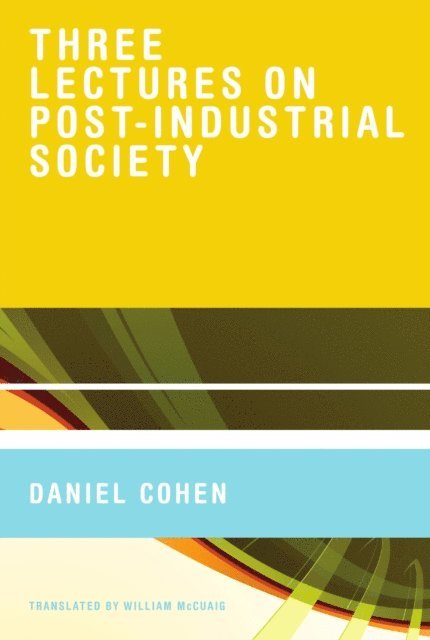
A noted economist analyzes the upheavals caused by revolutions in technology, labor, culture, financial markets, and globalization.
In this pithy and provocative book, noted economist Daniel Cohen offers his analysis of the global shift to a post-industrial era. If it was once natural to speak of industrial society, Cohen writes, it is more difficult to speak meaningfully of post-industrial “society.” The solidarity that once lay at the heart of industrial society no longer exists. The different levels of large industrial enterprises have been systematically disassembled: tasks considered nonessential are assigned to subcontractors; engineers are grouped together in research sites, apart from the workers. Employees are left exposed while shareholders act to protect themselves. Never has the awareness that we all live in the same world been so strong—and never have the social conditions of existence been so unequal. In these wide-ranging reflections, Cohen describes the transformations that signaled the break between the industrial and the post-industrial eras. He links the revolution in information technology to the trend toward flatter hierarchies of workers with multiple skills—and connects the latter to work practices growing out of the culture of the May 1968 protests. Subcontracting and outsourcing have also changed the nature of work, and Cohen succinctly analyzes the new international division of labor, the economic rise of China, India, and the former Soviet Union, and the economic effects of free trade on poor countries. Finally, Cohen examines the fate of the European social model—with its traditional compromise between social justice and economic productivity—in a post-industrial world.