1 302 kr
Skickas
1 302 kr
Skickas
3 186 kr
Läs direkt efter köp
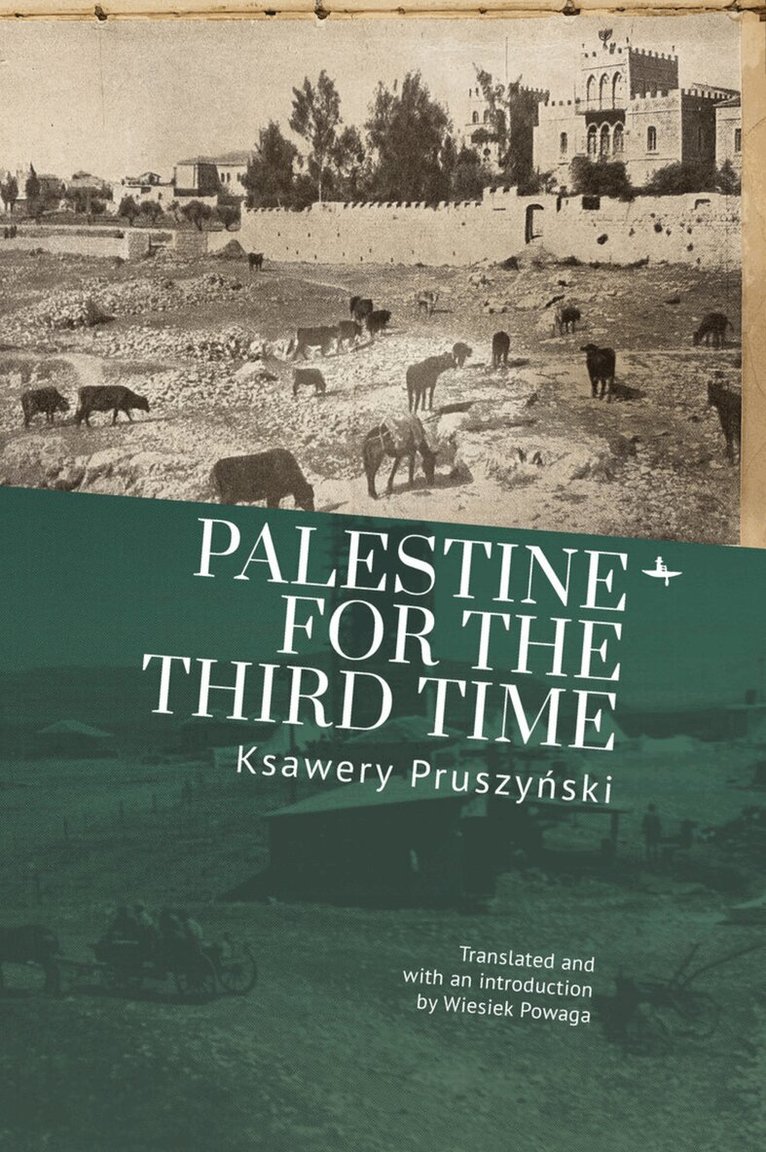
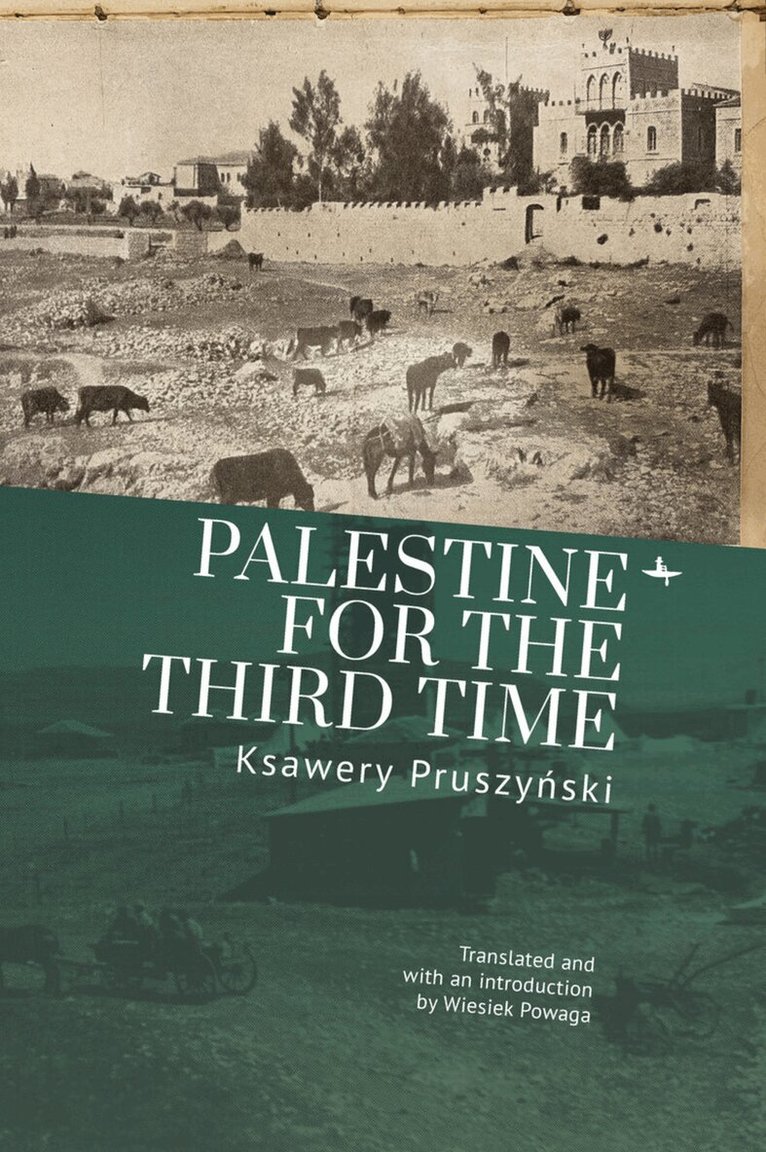
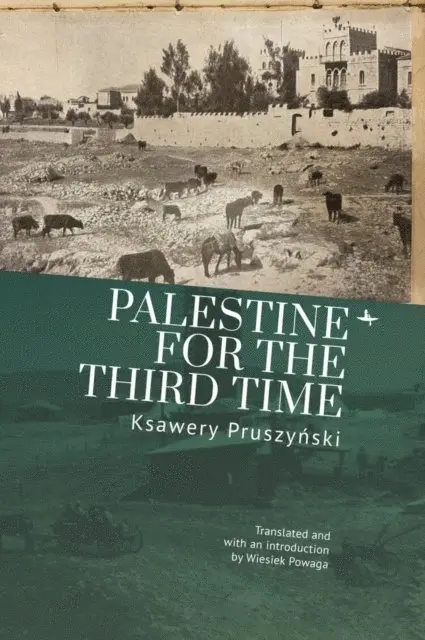
Palestine for the Third Time is a book of reportage originally published in Poland in 1933 by Ksawery Pruszyński, a young reporter working for a Polish newspaper, who went to Mandate Palestine to see for himself whether the Zionist dream of returning to Eretz Yisrael had a chance of turning into reality. Travelling widely and talking to people he happened to meet on his way—Jews, Arabs, committed dreamers and the disaffected—he was trying to explain to his readers what he was seeing. This book is a unique firsthand account of the early stages in formation of the state and nation of Israel. But it''s not just a nostalgic vignette. It resonates powerfully today, linking Tony Judt, Edward Said, and Amos Oz, illuminating the hotly debated questions of modern Israel.
448 kr
Läs direkt efter köp
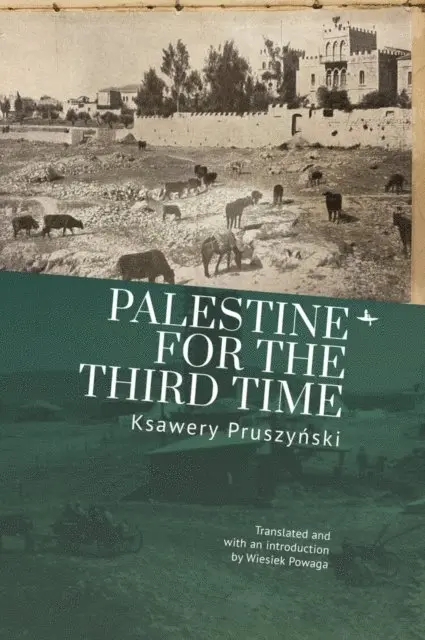
Palestine for the Third Time is a book of reportage originally published in Poland in 1933 by Ksawery Pruszyński, a young reporter working for a Polish newspaper, who went to Mandate Palestine to see for himself whether the Zionist dream of returning to Eretz Yisrael had a chance of turning into reality. Travelling widely and talking to people he happened to meet on his way—Jews, Arabs, committed dreamers and the disaffected—he was trying to explain to his readers what he was seeing. This book is a unique firsthand account of the early stages in formation of the state and nation of Israel. But it''s not just a nostalgic vignette. It resonates powerfully today, linking Tony Judt, Edward Said, and Amos Oz, illuminating the hotly debated questions of modern Israel.
267 kr
Skickas
145 kr
Skickas inom 7-10 vardagar
118 kr
Läs direkt efter köp
"The Polish postwar firebrand Andrzej Bursa acquired a reputation as a quick-burning, existentially tormented rebel. . . . Yet Bursa''s dark humor and deadpan satire . . . keep utter bleakness at bay."—The Independent
"A revolution against the banality of everyday life."—Gazeta Krakowska
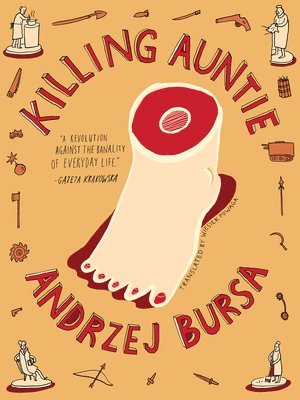
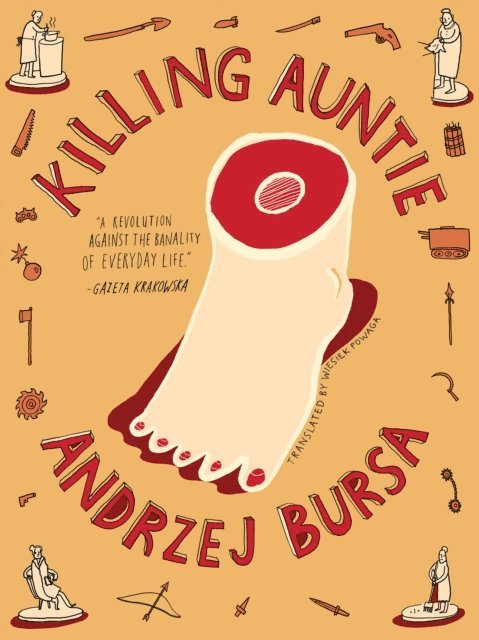
A young university student named Jurek, with no particular ambitions or talents, is adrift. After his doting aunt asks him to perform a small chore, he decides to kill her for no good reason other than, perhaps, boredom. Killing Auntie follows Jurek as he seeks to dispose of the corpse—a task more difficult than one might imagine—and then falls in love with a girl he meets on a train. Can he tell her what he''s done? Will that ruin everything?
"I''m convinced—simply—that we are all guilty," says Jurek, and his adventures with nosy neighbors, false-toothed grandmothers, and love-making lynxes shed light on how an entire society becomes involved in the murder and disposal of dear old Auntie. This is a short comedic masterpiece combining elements of Fyodor Dostoevsky, Jean-Paul Sartre, Franz Kafka, and Joseph Heller, coming together in the end to produce an unforgettable tale of murder and—just maybe—redemption.
Andrzej Bursa was born in 1934 in Krakow, Poland, and died twenty-five years later. In his brief lifetime he composed some of the most original Polish writing of the twentieth century. Killing Auntie is his only novel. His brilliant career and tragic early death established him as a cult figure among restless and disenchanted youth.