184 kr
Skickas inom 7-10 vardagar
184 kr
Skickas inom 7-10 vardagar
139 kr
Skickas inom 11-20 vardagar
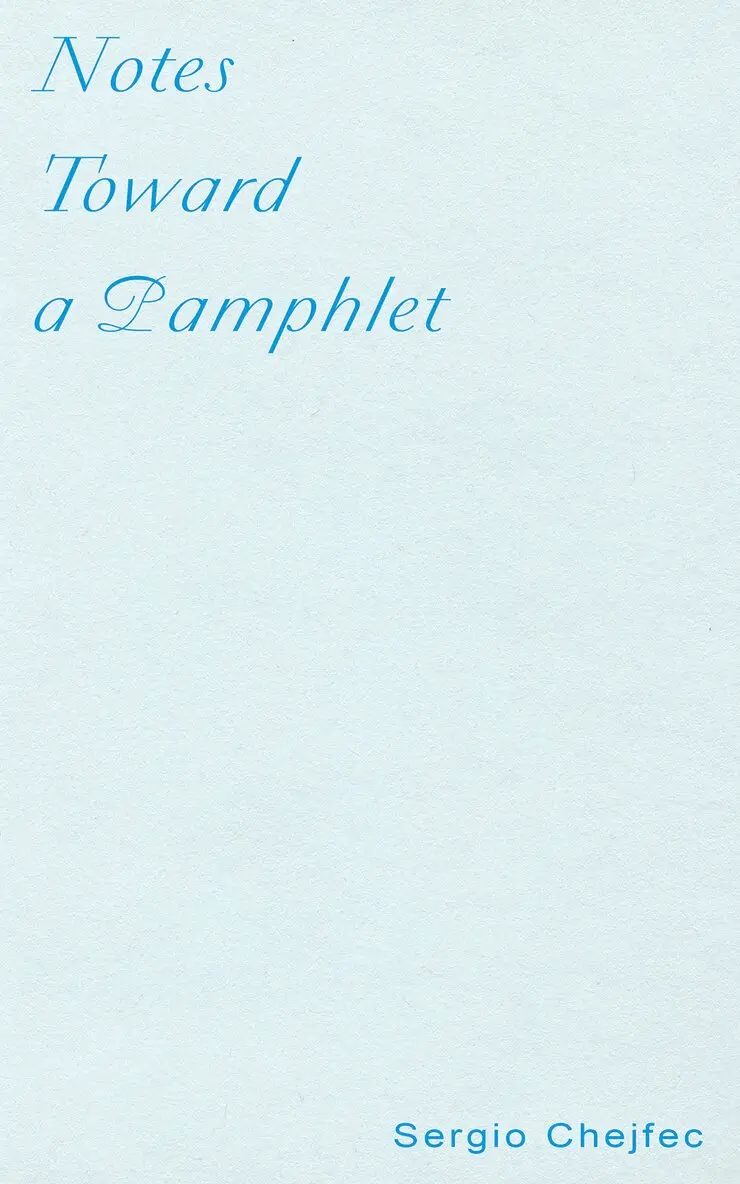
Argentine poet Samich moves from the provinces to the outskirts of Buenos Aires and decides to turn his life into a work of art. Fumbling through a world constructed of intuitions and beliefs, he has scant preparation and few firm ideas about how to do this. Nonetheless, he develops a cult following. Fiction writer and essayist Sergio Chejfec offers a series of numbered notes as an outline of Samich’s thinking-in-process, investigating the pamphlet form as a “megaphone” for the dissemination of “views” bound by “a situation of existence” of a poet who “aspired to a voice permanently lowered.” As if to say: by means of the pamphlet, the biography becomes the work.
131 kr
Skickas
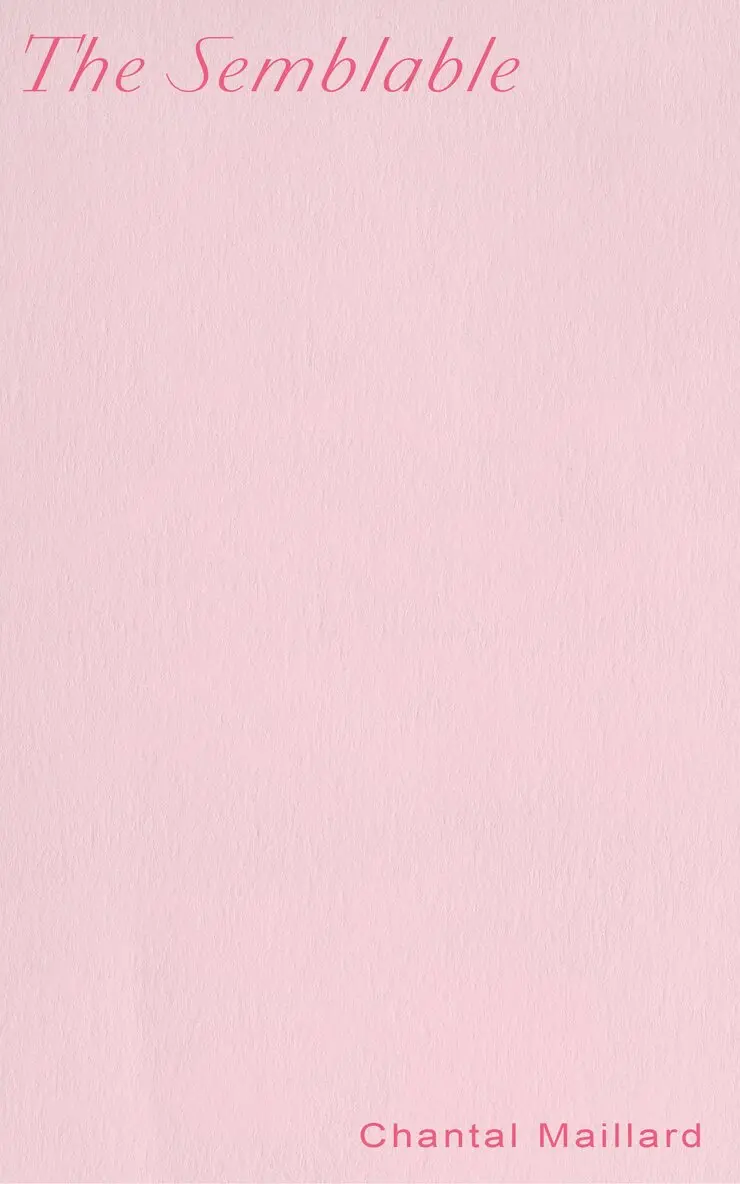
Spanish poet and philosopher Chantal Maillard asks whether a world without violence is possible. Beginning with the tale of Nietzsche’s embrace of the Turin horse, and engaging with thinkers from Confucius to Derrida to Sontag, Maillard reflects on how the concept of the “semblable” (one’s other, neighbor, peer, fellow) justifies defensive foreign and domestic policy as well as state-sanctioned global violence. Can we broaden our “frameworks of belonging” and replace our narrow group and species-centered morals with an ethics of interspecies compassion? And if we could, given that the natural world cannot be sustained without violence, would it be possible to create change without violence?
203 kr
Skickas
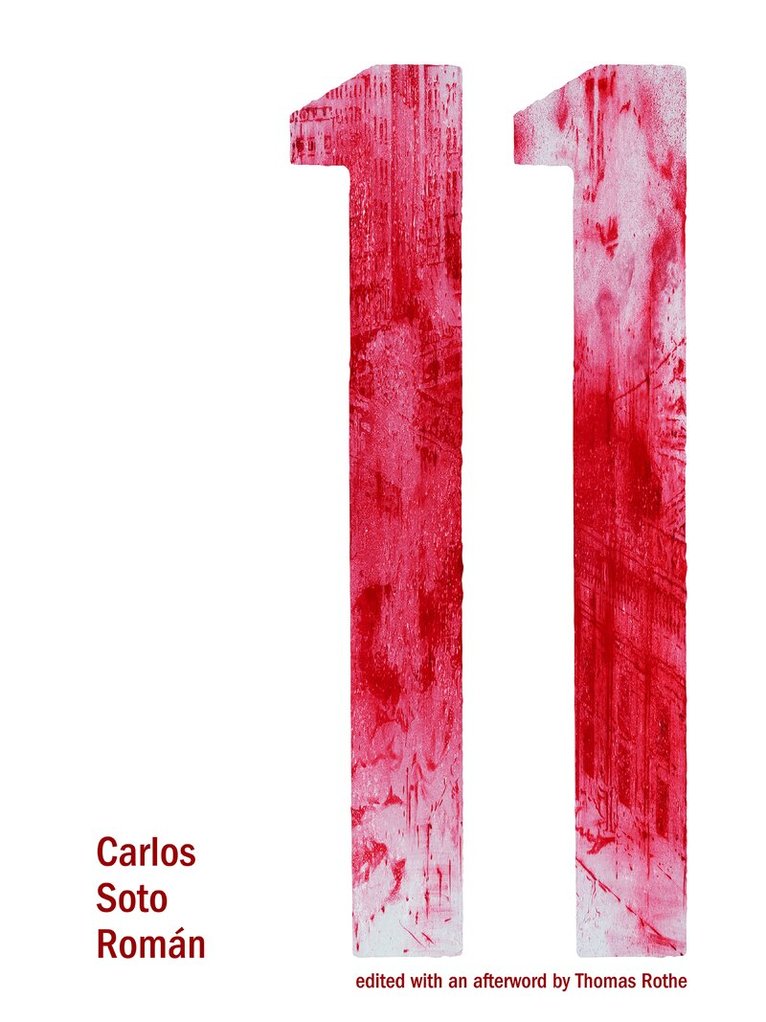
The title of this book evokes the “other” September 11: Chile’s September 11, 1973, when Augusto Pinochet led a military coup to oust the democratically elected government of Salvador Allende and inaugurated a brutal seventeen-year dictatorship.
Assembled from found material such as declassified documents, testimonies, interviews, and media files, 11 immerses readers in the State-sponsored terror during this period and the effects it would continue to have on Chile. The poetry in this book adopts the form of collage, erasure, and appropriation, the language emerging from censorship and suffocation as experienced under military rule. Soto-Román’s work asks us to understand the past through what has been covered up, to reflect on the spoken and unspoken pieces that interact to create a collective memory. How does censorship translate into another language when translation already involves so many degrees of selective removal?
This collaborative version into English, taken on by eight translators, attempts to answer that question and provide a means to reflect on the relationship between writing, trauma, and politics.