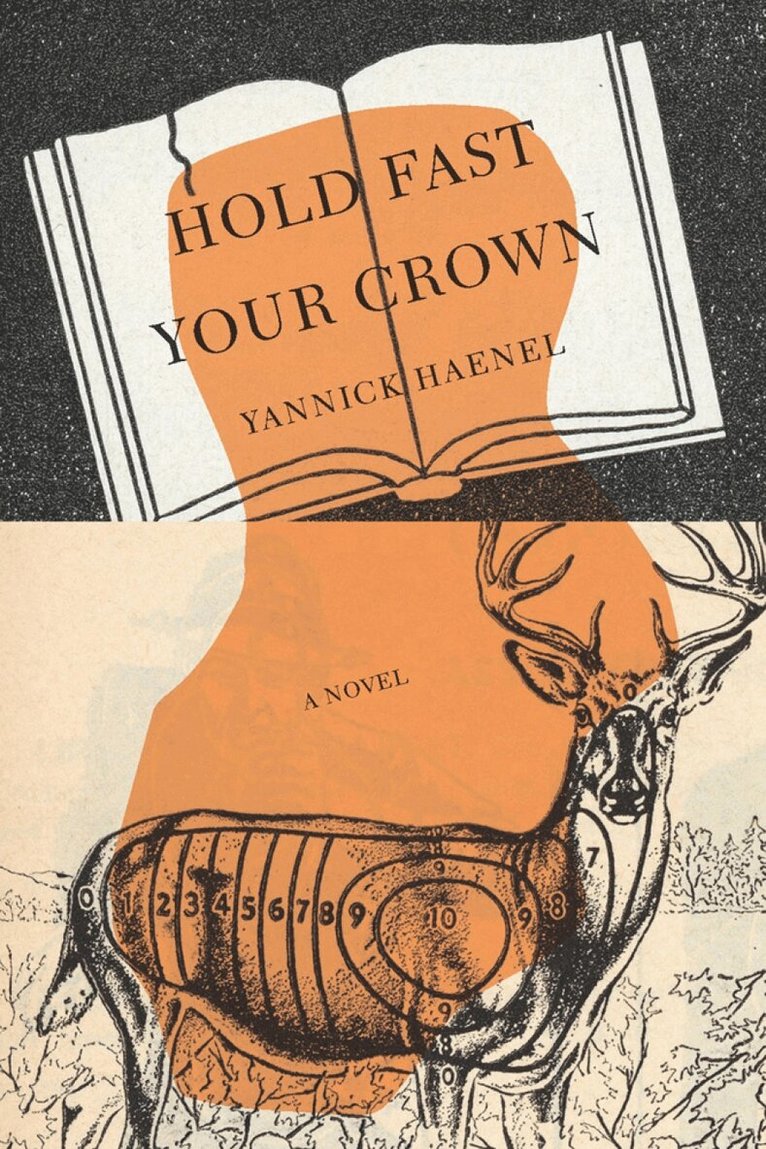
An exasperated writer obsessed with American cinema embarks on an increasingly bizarre journey in this heady, engrossing novel. A man writes an enormous screenplay on the life of Herman Melville. Not a single producer is interested in it. One day, someone gives him the phone number of the great American filmmaker Michael Cimino, legendary director of The Deer Hunter and Heaven''s Gate. A meeting is arranged in New York, and Cimino reads the manuscript. What follows is a series of crazy adventures through Ellis Island, the Musée de la Chasse in Paris, a lake in Italy.We run into Isabelle Huppert, Diana the hunting goddess, a Dalmatian named Sabbat, a diabolical neighbor, and two shady characters with conspicuous mustaches. There''s also a pretty PhD student, an unpleasant concierge, and an aggressive maître d'' who looks like Emmanuel Macron...This improbable, insightful tale bridges the divide between cinema and literature in unexpected ways that are at once gratifying and profound.
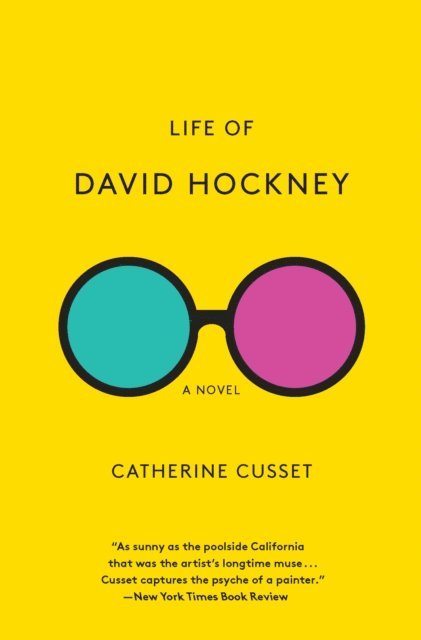
With clear, vivid prose, this meticulously researched novel draws an intimate, moving portrait of the most famous living English painter.Born in 1937 in a small town in the north of England, David Hockney had to fight to become an artist. After leaving his home in Bradford for the Royal College of Art in London, his career flourished, but he continued to struggle with a sense of not belonging, because of his homosexuality, which had yet to be decriminalized, and his inclination for a figurative style of art not sufficiently "contemporary" to be valued. Trips to New York and California--where he would live for many years and paint his iconic swimming pools--introduced him to new scenes and new loves, beginning a journey that would take him through the fraught years of the AIDS epidemic. A compelling hybrid of novel and biography, Life of David Hockney offers an accessible overview of the painter who shook the world of art with a vitality and freedom that neither heartbreak nor illness nor loss could corrode.
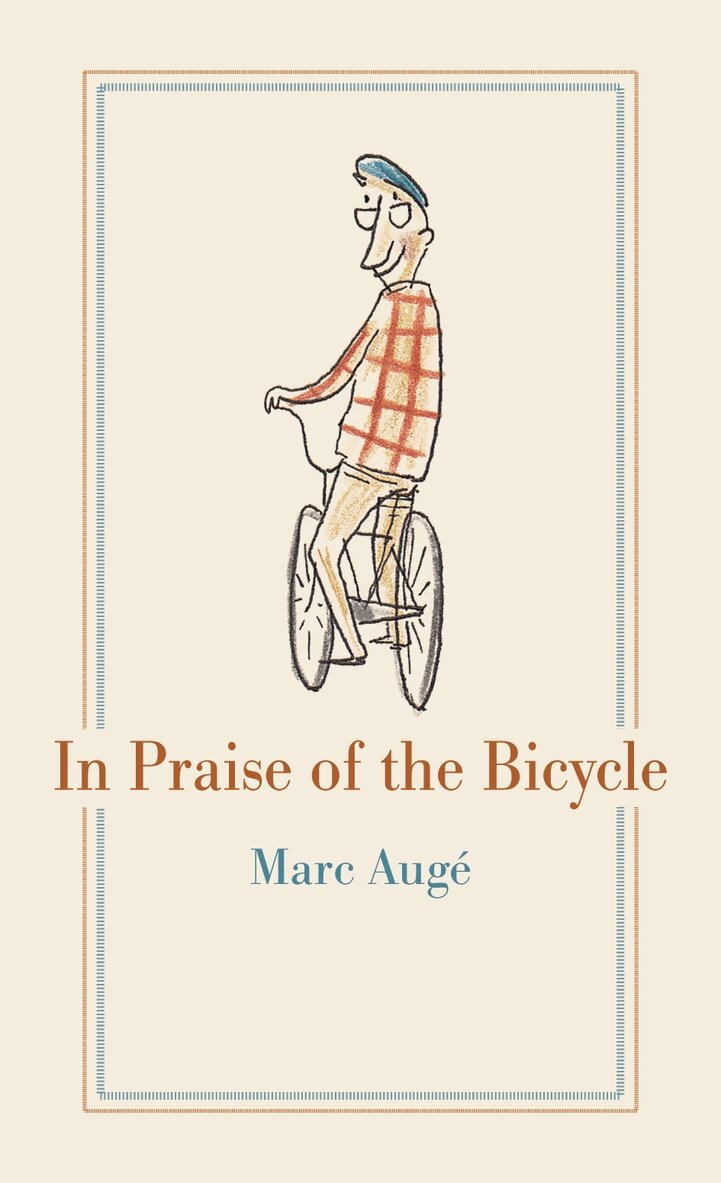
This is the French anthropologist as we've never heard him before: Marc Augé coined the term ‘non-place’ to describe uniquitous, global airports, hotels and motorways filled with anonymous individuals. In this new book, he casts his anthropologist’s eye on a subject close to his heart: cycling. In In Praise of the Bicycle, Augé takes us on a personal journey of his own, on a two-wheeled ride around our cities, and on a journey into ourselves. We all remember the thrill of riding a bike for the first time and the joys of cycling. Here he reminds us that these memories are not just personal, but rooted in a time and a place, in a history that is shared with millions of others.Part memoir, part manifesto, Augé celebrates cycling as a way of reconnecting with the places in which we live, and, ultimately, as a necessary alternative to our disconnected world.