2 479 kr
Skickas inom 10-15 vardagar
2 479 kr
Skickas inom 10-15 vardagar
2 341 kr
Läs direkt efter köp
The definitive interdisciplinary reference work for wound ballistics
Basics
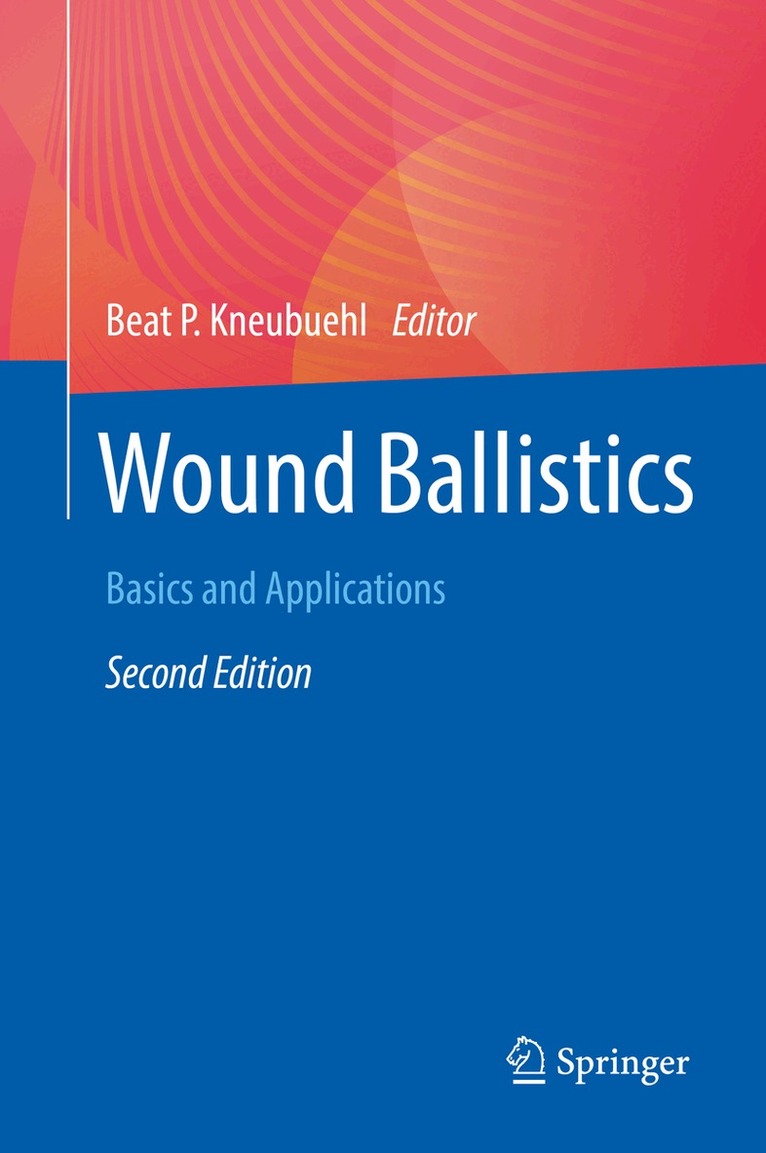
The book begins by providing the necessary basic knowledge about physics, ballistics and ammunition and weapons. Then it describes the behaviour of projectiles in humans and animals (the physics of gunshot injuries) and introduces the experimental simulation of gunshot wounds, including the materials suitable for this purpose.
Applications
These basic principles can be applied in forensic medicine and criminalistics. The gunshot wound provides some forensic traces and the experimental reconstruction helps to understand the dynamic crime process. The wounding potential of non-lethal weapons can be determined.
In emergency and war surgery, injuries caused by small arms bullets and fragments as well as by gas jets (of gas weapons) can be assessed.
International conventions could be freed from undefined terms (such as “unnecessary suffering”) with the help of physical quantities.
Reference work
Detailed tables as e. g. ballistic data of numerous cartridge types, also older ones, material properties, as well as many otherwise difficult to access data and a trilingual glossary of ballistic and technical terms in the languages German, English and French.
NEW
Wound Ballistics of European Police ammunition
References to recent research results
Partly coloured illustrations
Due to the increase in terrorist and criminal activities worldwide, it is not only members of the armed forces who are affected. Surgeons, forensic doctors, police officers and criminalists also need to know and be able to assess the specifics of gunshot wounds.
1 805 kr
Skickas inom 10-15 vardagar
1 971 kr
Skickas inom 10-15 vardagar
2 581 kr
Läs direkt efter köp
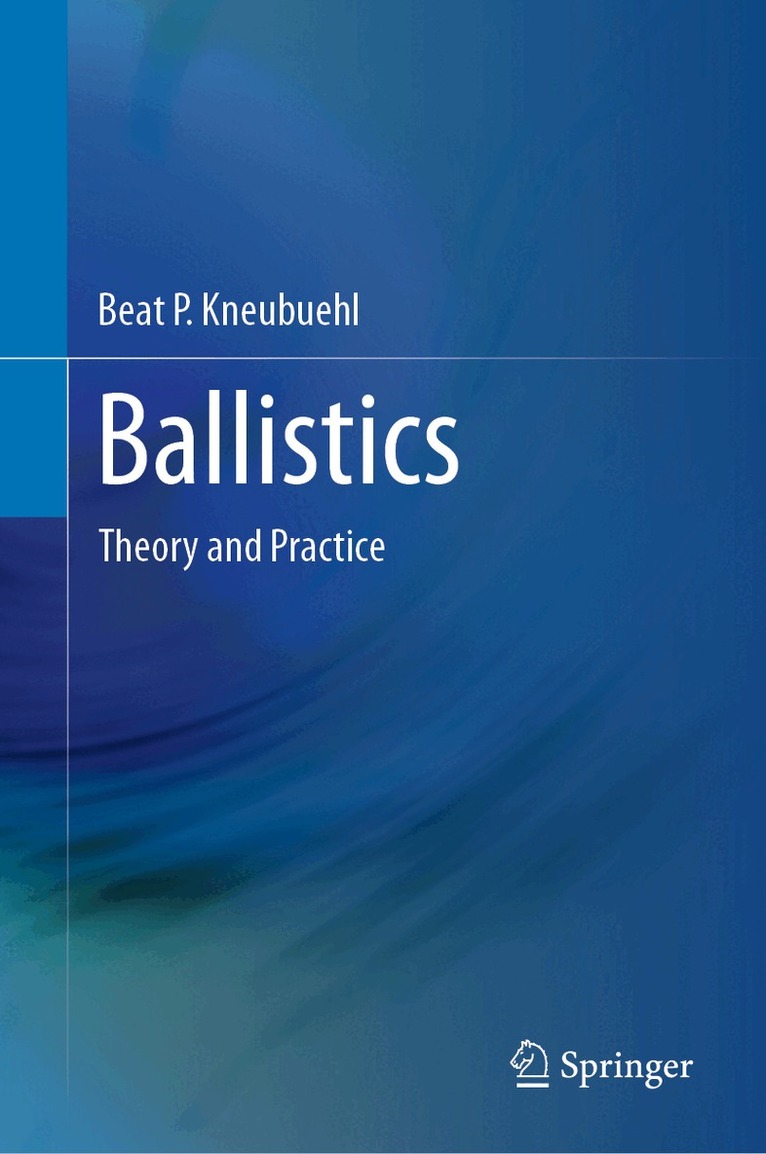
This work provides comprehensive, practice-oriented coverage of ballistics. It explains the principles and calculation methods for the main four areas of ballistics, regardless of calibre, drawing on numerous facts, observations and examples from the author’s decades of experience.
Interior ballistics: The characteristics of explosive materials (detonating agents and propellants), methods for calculating gas pressure and the velocity of projectiles and rockets during the acceleration phase, alternative systems for accelerating projectiles and the acceleration of fragments.
Intermediate ballistics: The dynamics of the moment at which the projectile leaves the muzzle and propellant gas is ejected from the barrel, effects on the person or structure supporting the weapon and approaches to resolving questions regarding shots from close range in criminology and forensic medicine.
Exterior ballistics: The forces acting on a projectile and methods for calculating them, models for calculating trajectories (including the ballistic coefficient), gyroscopic projectile stabilization theory and aerodynamic optimization of projectiles.
Terminal ballistics: Empirically-derived facts and data. The principles of ballistic protection design, ballistic testing problems and possible solutions and a comprehensive discussion of ricochets – a matter of considerable importance in forensics.
This book is intended for ballisticians, military personnel, police officers, criminologists, shooting range specialists, sport shooters, hunters and anyone else with an interest in ballistics.
1 425 kr
Skickas inom 10-15 vardagar