2 871 kr
Skickas inom 10-15 vardagar
2 871 kr
Skickas inom 10-15 vardagar
2 905 kr
Skickas inom 10-15 vardagar
935 kr
Läs direkt efter köp
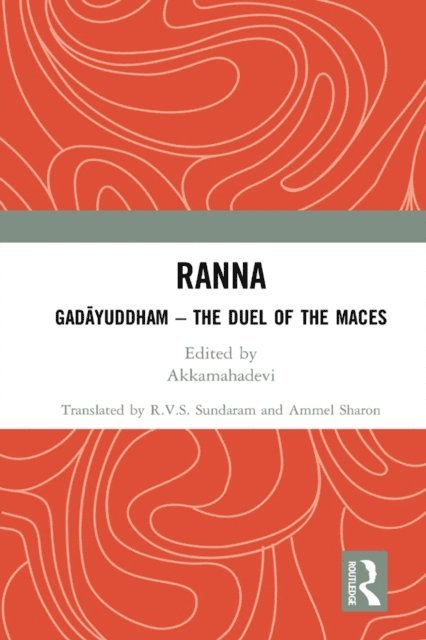
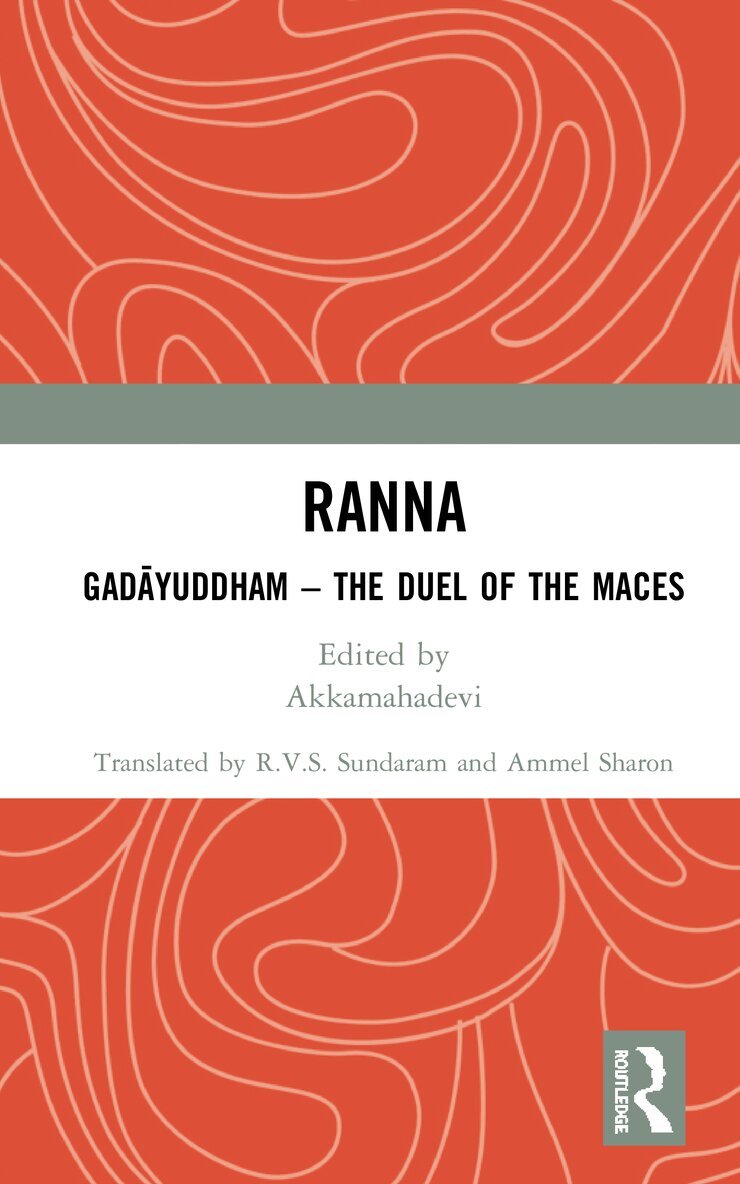
The GadÄyuddham (The Duel of the Maces) is a kÄvya (poetry) composed in classical Kannada literary style at the turn of the eleventh century. It is written in campÅ«, a genre that developed in the tenth century as a mixture of poetry and prose. Ranna’s poem is remarkably dramatic in nature and is a meditation on the cost of war. Crisp dialogue, body gestures and imagery fill the poem. It is as if the poet were giving us directions for a play.Ranna employs ‘flashbacks’, a technique called simhÄvalÅkana, that is, a lion turning casually to glance behind him. Ranna builds up to the duel through characters recalling episodes of injury or through lamentation. The duel occupies only a short space in the eighth canto, but Ranna takes this time to fill in past episodes and reflect on the impact of war. This thousand-year-old poem will interest scholars as well as lay readers.
Please note: This title is co-published with Manohar Publishers, New Delhi. Taylor & Francis does not sell or distribute the Hardback in India, Pakistan, Nepal, Bhutan, Bangladesh and Sri Lanka
956 kr
Läs direkt efter köp
The GadÄyuddham (The Duel of the Maces) is a kÄvya (poetry) composed in classical Kannada literary style at the turn of the eleventh century. It is written in campÅ«, a genre that developed in the tenth century as a mixture of poetry and prose. Ranna’s poem is remarkably dramatic in nature and is a meditation on the cost of war. Crisp dialogue, body gestures and imagery fill the poem. It is as if the poet were giving us directions for a play.Ranna employs ‘flashbacks’, a technique called simhÄvalÅkana, that is, a lion turning casually to glance behind him. Ranna builds up to the duel through characters recalling episodes of injury or through lamentation. The duel occupies only a short space in the eighth canto, but Ranna takes this time to fill in past episodes and reflect on the impact of war. This thousand-year-old poem will interest scholars as well as lay readers.
Please note: This title is co-published with Manohar Publishers, New Delhi. Taylor & Francis does not sell or distribute the Hardback in India, Pakistan, Nepal, Bhutan, Bangladesh and Sri Lanka
956 kr
Läs direkt efter köp
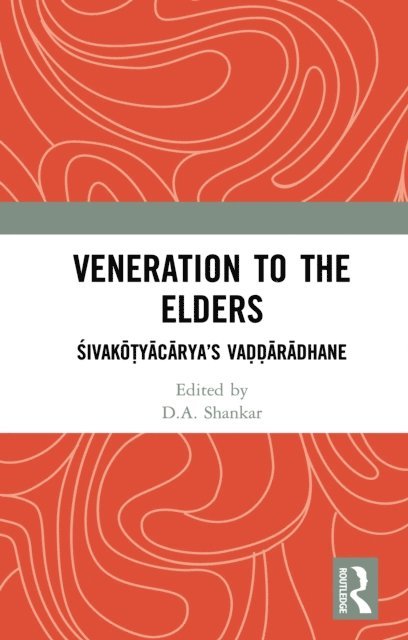
ÅšivakÅá¹yÄcÄrya’s Vaá¸á¸ÄrÄdhane (Veneration to the Elders) is the earliest extant prose work in Kannada language written by ÅšivakÅá¹yÄcÄrya during 940 CE. This classical text reflects the oral tradition of narrating stories of legendary religious ascetics based on the gÄhÄs which were taken from BhagavatÄ« Ä€rÄdhanÄ. This is a peculiar but commendable way of presentÂing stories of the senior and respectable ascetics combining oral and written styles of narration. Thus,Vaá¸á¸ÄrÄdhane stands as an excellent example for an ancient classical text, fit for linguistic and cultural study. Each story in this collection, is wonderful in its own way. Generally, religious stories do not evoke interest but present a series of dull events. However, this text is full of incidents depicting human values, ways of wicked people, self-imposed vows, violence and non-violence and human life with all types of experiences. Another distinguishing feature of Vaá¸á¸ÄrÄdhane is that there is not a whiff of intolerance towards other religions or faiths or sects and this is most remarkable when we recall that most of our early writings indulge in belittling doctrines of faiths other than their own. This positive attitude, in a sense, makes this religious text absolutely liberal and almost secular. Vaá¸á¸ÄrÄdhane is now rendered into contemporary English by a team of writers and linguists.
Please note: Taylor & Francis does not sell or distribute the Hardback in India, Pakistan, Nepal, Bhutan, Bangladesh and Sri Lanka.