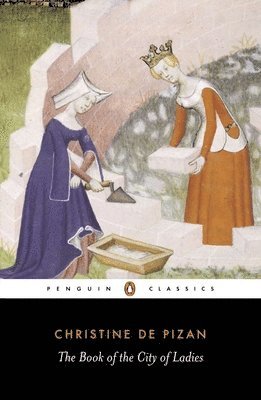
Christine de Pizan (c.1364-1430) was France's first professional woman of letters. Her pioneering Book of the City of Ladies begins when, feeling frustrated and miserable after reading a male writer's tirade against women, Christine has a dreamlike vision where three virtues - Reason, Rectitude and Justice - appear to correct this view. They instruct her to build an allegorical city in which womankind can be defended against slander, its walls and towers constructed from examples of female achievement both from her own day and the past: ranging from warriors, inventors and scholars to prophetesses, artists and saints. Christine de Pizan's spirited defence of her sex was unique for its direct confrontation of the misogyny of her day, and offers a telling insight into the position of women in medieval culture. THE CITY OF LADIES provides positive images of women, ranging from warriors and inventors, scholars to prophetesses, and artists to saints. The book also offers a fascinating insight into the debates and controversies about the position of women in medieval culture.
Pioneering female writer Christine de Pizan's spirited defence of her sex against medieval misogyny and literary stereotypes is now recognized as one of the most important books in the history of feminism, and offers a telling insight into the role of women in a man's world.
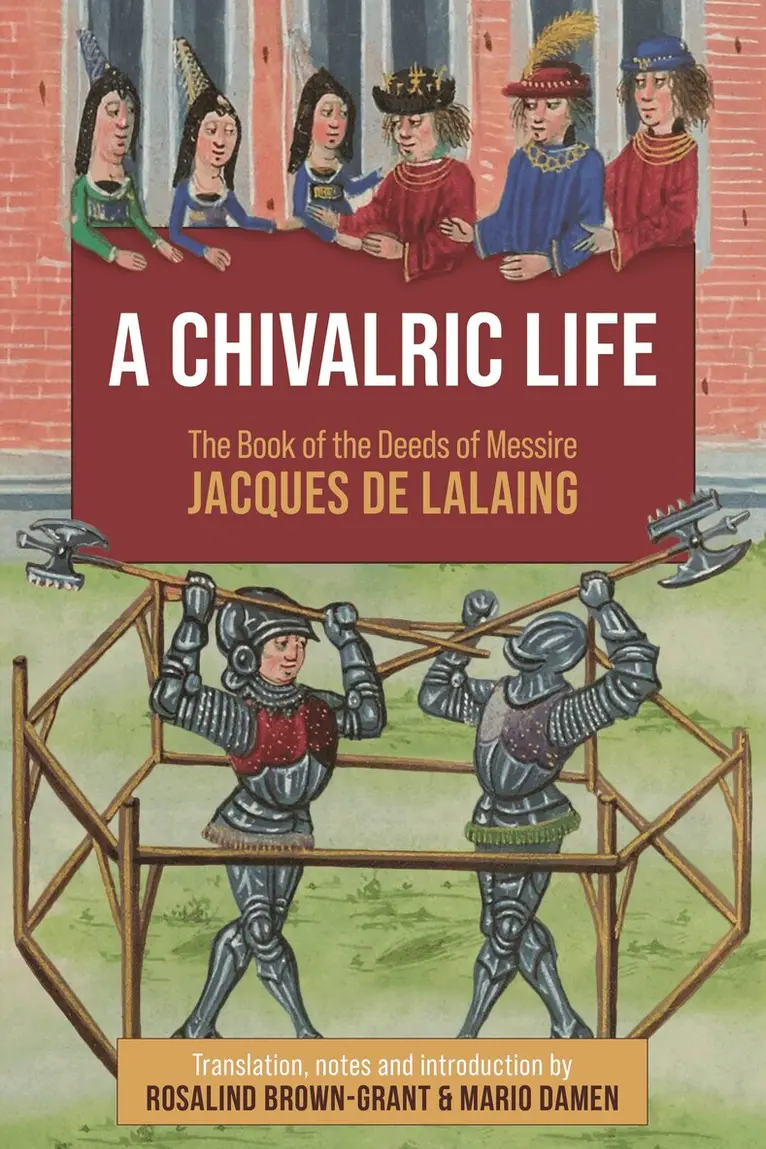
First English translation of the chivalric biography of the foremost knight of the late Middle Ages.Jacques de Lalaing (c.1421-53) was undoubtedly the most famous knight at the court of the Burgundian duke, Philip the Good, one who was celebrated in his own lifetime for the dazzling feats of arms that he performed in jousts across Europe during the 1440s. Serving the duke first as a councillor and ambassador to launch a new crusade and then as a fearless military leader on a campaign to put down a revolt by the town of Ghent, Lalaing tragically met his death at the siege of Poeke at a relatively young age.The chivalric biography of Lalaing, written in the early 1470s, offers an entertaining and informative account of the life of a late medieval knight. Drawing on a variety of sources, it was designed not only to commemorate Jacques's deeds for posterity but also to encourage other young noblemen to imitate his shining example, with lavishly illuminated copies being made for members of his own family and other noble readers.This first English translation of the text, accompanied by an introduction and extensive notes based on new research into both archival and literary sources, aims to offer the reader an in-depth portrayal of Lalaing in the context of the chivalric, dynastic and political culture of his day.