Complete and unabridged. A hundred tales told, in the fiction of the book, by the court of Burgundy for the amusement of the duke: adulteries, monks, merchants and revenges, in the manner of Boccaccio but drier and more brutal. The collection dates from about 1460, and Antoine de La Sale is the likeliest of its several candidate authors. It is a portrait of what fifteenth-century noblemen thought funny, and the portrait is not flattering.
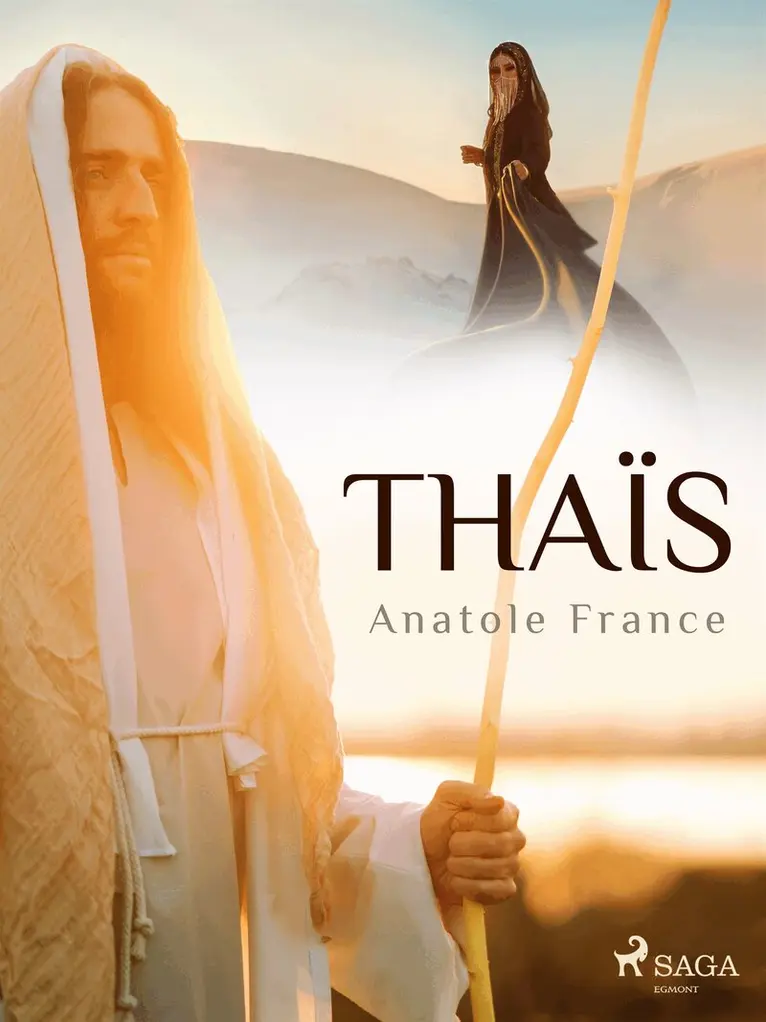
Lost to the desiccated desert of 4th century Egypt, reclusive hermit Paphunce reflects on his sinful life. Determined to become closer to God, Paphunce resolves to bring God his childhood infatuation, the beautiful actress Thaïs. On his godly mission, Paphunce ventures out across the desperate landscape and dons a disguise to reach Thaïs. However, in his attempts to help her reach salvation, Paphunce may find himself eternally lost to damnation. As beautifully written as it is profoundly philosophical, ‘Thaïs’, a fictionalised retelling of the life of fabled Christian convert Saint Thaïs of Egypt, seeks to question the superficial virtuousness of religion. For any fans of Martin Scorcese’s ‘Silence’, ‘Thaïs’ is an enthralling story that asks similarly important questions about the nature of faith and is a riveting read that belongs on everyone’s bookshelf. François-Anatole Thibault (1844 – 1924), better known as Anatole France, was a French journalist, poet, novelist, and Nobel laureate for literature. Spending much of his early life in his father's bookshop, France quickly rose to prominence as a respected author of over 25 works. A French classicist writer with a style reminiscent of Voltaire and Fénélon, France's work has a strong preoccupation with scepticism and hedonism. He is best remembered for his classic French novels ‘La Rôtisserie de la Reine Pédauque’ (1893) and ‘Le Crime de Sylvestre Bonnard’ (1881). France's works have had a historic legacy, and he is recognised today as one of France’s most prominent authors.EPUB3: Reflowable