A young woman prays at her husband's bedside as he lies in a coma with a bullet in his neck. From outside come the sounds of tanks, gunshots, screaming and, most terrifying of all, silence. Inside, her two frightened daughters call to her from the hallway. As she tries to keep her husband alive, the woman rages against men, war, culture, God. Even as her mind appears to unravel, she becomes intensely clear-sighted. Now is her chance - her first ever - to speak without being censored. Her husband's body reminds her of the legend of the patience stone, a stone that hears all confessions until it explodes, and finally, spurred to new heights of daring, she spills out her most explosive secret.
A young woman prays at her husband's bedside as he lies in a coma with a bullet in his neck. From outside come the sounds of tanks, gunshots, screaming and, most terrifying of all, silence. Inside, her two frightened daughters call to her from the hallway. As she tries to keep her husband alive, the woman rages against men, war, culture, God. Even as her mind appears to unravel, she becomes intensely clear-sighted. Now is her chance - her first ever - to speak without being censored. Her husband's body reminds her of the legend of the patience stone, a stone that hears all confessions until it explodes, and finally, spurred to new heights of daring, she spills out her most explosive secret.
'The book is like the spoon: once invented, it cannot be bettered' - Umberto Eco.These days it is impossible to get away from discussions of whether the book will survive the digital revolution. Blogs, tweets and newspaper articles on the subject appear daily, many of them repetitive, most of them admitting ignorance of the future. Amidst the twittering, the thoughts of Jean-Claude Carrière and Umberto Eco come as a breath of fresh air. This thought-provoking book takes the form of a conversation in which Carrière and Eco discuss everything from how to define the first book to what is happening to knowledge now that infinite amounts of information are available at the click of a mouse. En route there are delightful digressions into personal anecdote. We find out about Eco's first computer and the book Carrière is most sad to have sold. And while, as Carrière says, the one certain thing about the future is that it is unpredictable, it is clear from this conversation that, in some form or other, the book will survive.
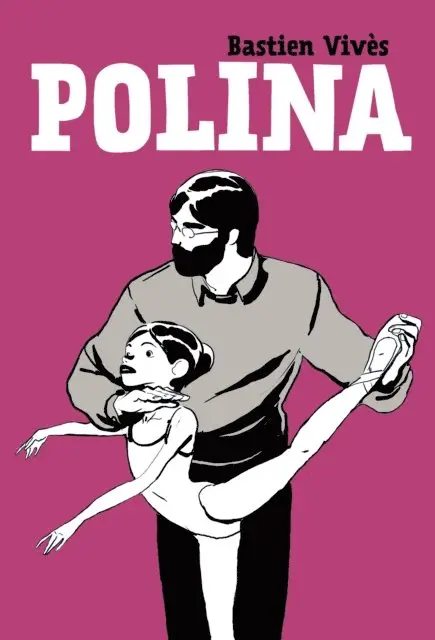
As a very young girl, Polina Oulinov is taken on as a special pupil by the famous ballet teacher Professor Bojinsky. He is very demanding and refuses to adapt his standards to the talents of his pupils, and Polina has to work hard and make great sacrifices in order to reach the level Bojinsky senses she has the talent for. When she graduates and is admitted to the official theatre school, she discovers that Bojinsky’s view of ballet is only one of many and that she can’t adapt to new rules, new visions. She flees Russia for Berlin, where she meets a group of drama students. Together they create a new form of theatre – and conquer the world.Brilliantly drawn, Polina is a moving and intimate story of self-discovery. It confirms Bastien Vivès as one of the most exciting talents at work in the graphic novel field today.
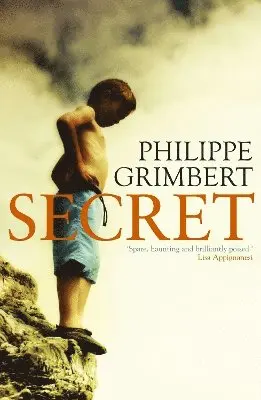
'The day after I turned fifteen, I finally discovered what I'd always known ...' Growing up in post-war Paris as the sickly only child of glamorous, athletic parents, the narrator invents a make-believe brother - older, stronger, and more brilliant than he can ever be. It is only when the boy begins talking to an old family friend that he comes to realize that his imaginary sibling had a real predecessor: a half-brother whose death in the concentration camps is part of a buried family secret that he was intended never to unearth.This book will appeal to readers of literary survival memoirs. It is a winner of both of France's most trustworthy literary prizes - those voted for by ordinary readers: the Prix des Lectrices d'Elle and the Prix Goncourt des Lyceens. A film version was directed by Claude (Class Trip) Miller, starring Ludivine Sagnier and Julie Depardieu, and rights in the book have been sold into a number of other countries.