

Häftad, Engelska, 2022
149 kr
Skickas
45,000 years ago, rare and precious statues of faceless women with hourglass figures, sturdy hips and generous breasts surfaced across Europe.
149 kr
Skickas
246 kr
Skickas inom 3-6 vardagar

217 kr
Läs direkt efter köp
Tracing the thread of “decreation” in Chinese thought, from constantly changing classical masterpieces to fake cell phones that are better than the original.
Shanzhai is a Chinese neologism that means “fake,” originally coined to describe knock-off cell phones marketed under such names as Nokir and Samsing. These cell phones were not crude forgeries but multifunctional, stylish, and as good as or better than the originals. Shanzhai has since spread into other parts of Chinese life, with shanzhai books, shanzhai politicians, shanzhai stars. There is a shanzhai Harry Potter: Harry Potter and the Porcelain Doll, in which Harry takes on his nemesis Yandomort. In the West, this would be seen as piracy, or even desecration, but in Chinese culture, originals are continually transformed—deconstructed. In this volume in the Untimely Meditations series, Byung-Chul Han traces the thread of deconstruction, or “decreation,” in Chinese thought, from ancient masterpieces that invite inscription and transcription to Maoism—“a kind a shanzhai Marxism,” Han writes.
Han discusses the Chinese concepts of quan, or law, which literally means the weight that slides back and forth on a scale, radically different from Western notions of absoluteness; zhen ji, or original, determined not by an act of creation but by unending process; xian zhan, or seals of leisure, affixed by collectors and part of the picture''s composition; fuzhi, or copy, a replica of equal value to the original; and shanzhai. The Far East, Han writes, is not familiar with such “pre-deconstructive” factors as original or identity. Far Eastern thought begins with deconstruction.
262 kr
Läs direkt efter köp
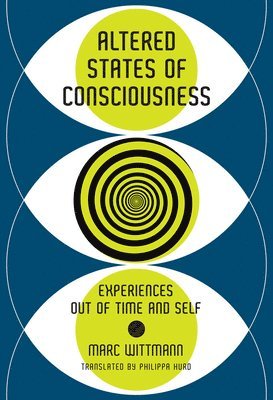
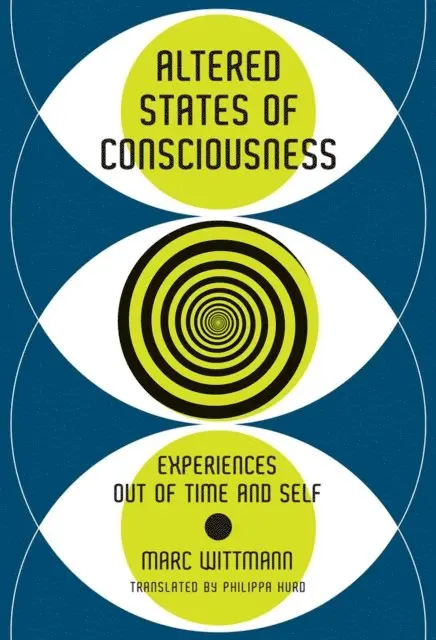
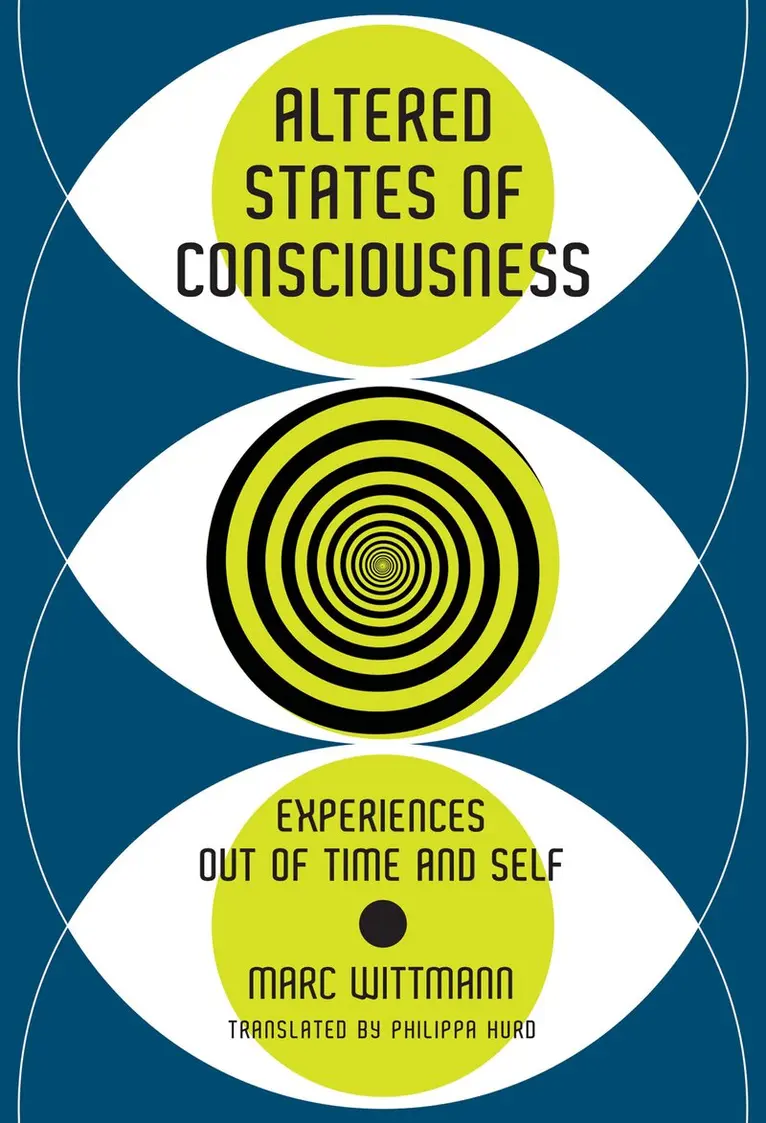
What altered states of consciousness—the dissolution of feelings of time and self—can tell us about the mystery of consciousness.
During extraordinary moments of consciousness—shock, meditative states and sudden mystical revelations, out-of-body experiences, or drug intoxication—our senses of time and self are altered; we may even feel time and self dissolving. These experiences have long been ignored by mainstream science, or considered crazy fantasies. Recent research, however, has located the neural underpinnings of these altered states of mind. In this book, neuropsychologist Marc Wittmann shows how experiences that disturb or widen our everyday understanding of the self can help solve the mystery of consciousness.
Wittmann explains that the relationship between consciousness of time and consciousness of self is close; in extreme circumstances, the experiences of space and self intensify and weaken together. He considers the emergence of the self in waking life and dreams; how our sense of time is distorted by extreme situations ranging from terror to mystical enlightenment; the experience of the moment; and the loss of time and self in such disorders as depression, schizophrenia, and epilepsy. Dostoyevsky reported godly bliss during epileptic seizures; neurologists are now investigating the phenomenon of the epileptic aura. Wittmann describes new studies of psychedelics that show how the brain builds consciousness of self and time, and discusses pilot programs that use hallucinogens to treat severe depression, anxiety, and addiction.
If we want to understand our consciousness, our subjectivity, Wittmann argues, we must not be afraid to break new ground. Studying altered states of consciousness leads us directly to the heart of the matter: time and self, the foundations of consciousness.

213 kr
Skickas
228 kr
Skickas

193 kr
Skickas inom 7-10 vardagar
142 kr
Skickas inom 7-10 vardagar

145 kr
Skickas inom 7-10 vardagar
182 kr
Skickas inom 7-10 vardagar