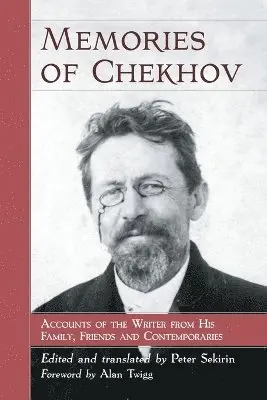
This revelatory documentary biography of Anton Chekhov (1860-1904), one of the world's best playwrights, collects more than 100 written recollections of Chekhov's close friends, family and colleague writers and artists, such as Ivan Bunin, Konstantin Stanislavsky and Maxim Gorky. Drawn from rare periodicals and obscure archival sources from the 1880s to the 1930s, these accounts, few of which have ever before been translated to English, address his affairs with female admirers, his passions and hobbies, his visits to shelters for the homeless, his support of aspiring writers, as well as his advice to theater directors, actors and writers. A complement to the wealth of scholarly material on Chekhov, this work offers new discoveries for both specialists and general enthusiasts.
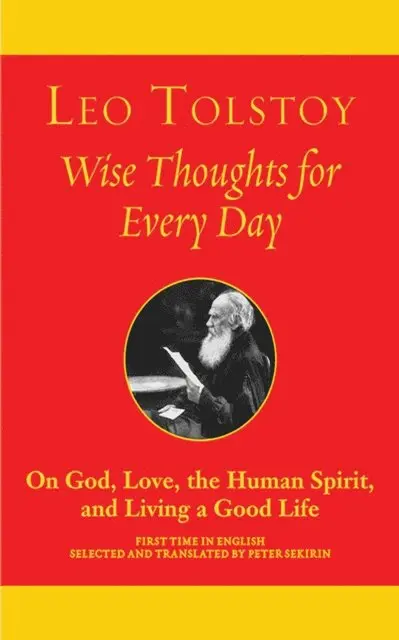
During the last years of his life, Leo Tolstoy kept one book invariably on his desk, read and reread it to his family, and recommended it to all his friends: a compendium of wise thoughts gathered over the course of a decade from his wide-ranging readings in philosophy and religion, and from his own spiritual meditations. It was banned under the Communists, and only one volume, A Calendar of Wisdom, drawn largely from the writings of other famous thinkers, has been published before in English.Wise Thoughts For Every Day is the volume comprising Tolstoy’s own most essential ideas about spirituality and what it is to live a good life. Designed by Tolstoy to be a cycle of daily readings, this book offers thoughts and aphorisms for every day according to a succession of themes repeated each month—such as God, the soul, desire, our passions, humility, inequality, evil, truth, happiness, prayer, and the blessings of love. At once challenging, comforting, and inspiring, this is a spiritual treasure trove and a book of great human warmth.
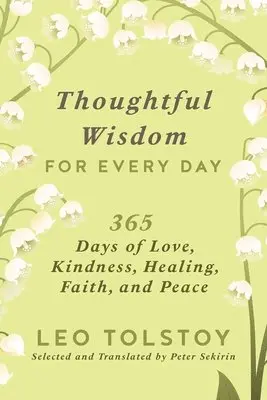
Inspirational Wisdom for Every Day in a Classic DaybookAn excellent gift . . . A fine inspirational (Midwest Book Review) During the last years of his life, Leo Tolstoy kept one book invariably on his desk, read and reread it to his family, and recommended it to all his friends: a compendium of wise thoughts gathered over the course of a decade from his wideranging readings in philosophy and religion, and from his own spiritual meditations. Thoughtful Wisdom for Every Day comprises Tolstoy's own most essential ideas about spirituality and what it is to live a good life. Designed to be a cycle of daily readings, this book offers thoughts and aphorisms for every day, following a succession of themes repeated each monthsuch as God, the soul, desire, faith, our passions, humility, inequality, evil, truth, happiness, and the blessings of love. Comforting, challenging, and inspiring, this is a spiritual treasure trove and a book of great warmth.
Inspirational Wisdom for Every Day in a Classic Daybook—"An excellent gift . . . A fine inspirational" (Midwest Book Review) During the last years of his life, Leo Tolstoy kept one book invariably on his desk, read and reread it to his family, and recommended it to all his friends: a compendium of wise thoughts gathered over the course of a decade from his wide‑ranging readings in philosophy and religion, and from his own spiritual meditations. Thoughtful Wisdom for Every Day comprises Tolstoy’s own most essential ideas about spirituality and what it is to live a good life. Designed to be a cycle of daily readings, this book offers thoughts and aphorisms for every day, following a succession of themes repeated each month—such as God, the soul, desire, faith, our passions, humility, inequality, evil, truth, happiness, and the blessings of love. Comforting, challenging, and inspiring, this is a spiritual treasure trove and a book of great warmth.
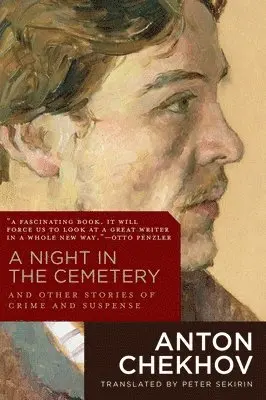
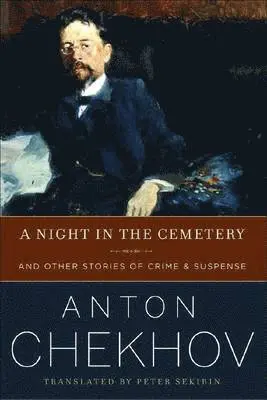
Considered one of the greatest dramatists of all time, Anton Chekhov began his literary career as a crime and mystery writer. Scattered throughout periodicals and literary journals from 1880-1890, these early psychological suspense stories provide a fresh look into Chekhov’s literary heritage and his formative years as a writer. In stories like "A Night in the Cemetery," "Night of Horror," and "Murder," not only will Chekhov’s dark humor and twisted crimes satisfy even the most hardboiled of mystery fans, readers will again appreciate the penetrating, absurdist insight into the human condition that only Chekhov can bring. Whether it is the death of a young amateur playwright at the hands of an editor who hates bad writing, or a drunken civil servant who ends up trapped in a graveyard, these stories overflow with the unforgettable characters and unique sensibility that continue to make Chekhov one of the most fascinating figures in literature.
Considered one of the greatest dramatists of all time, Anton Chekhov began his literary career as a crime and mystery writer. Scattered throughout periodicals and literary journals from 1880-1890, these early psychological suspense stories provide a fresh look into Chekhov’s literary heritage and his formative years as a writer. In stories like "A Night in the Cemetery," "Night of Horror," and "Murder," not only will Chekhov’s dark humor and twisted crimes satisfy even the most hardboiled of mystery fans, readers will again appreciate the penetrating, absurdist insight into the human condition that only Chekhov can bring. Whether it is the death of a young amateur playwright at the hands of an editor who hates bad writing, or a drunken civil servant who ends up trapped in a graveyard, these stories overflow with the unforgettable characters and unique sensibility that continue to make Chekhov one of the most fascinating figures in literature.