260 kr
Skickas inom 7-10 vardagar
260 kr
Skickas inom 7-10 vardagar
741 kr
Skickas inom 7-10 vardagar
292 kr
Läs direkt efter köp
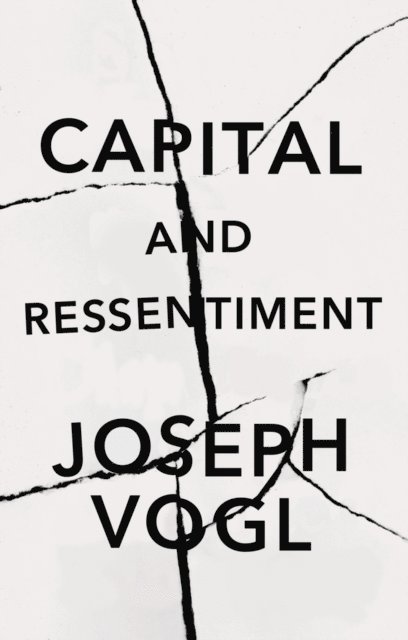
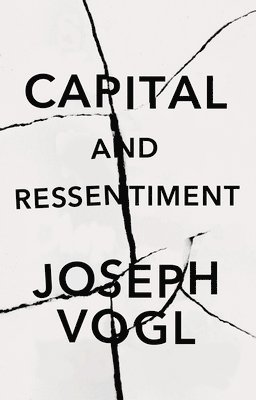
The proliferation of social media has provided ideal conditions in which feelings of anger and frustration can be expressed and shared, forming a deep pool of ressentiment that is being drawn upon and exploited by populist and authoritarian leaders.In his new book, Joseph Vogl shows how this dynamic is rooted in the fusing of finance capital and information in a new form of information capitalism that is reshaping the affective economy of our societies. The capital accumulation strategies of powerful new platforms and social media are pushing people into fragmented, opposing, and conflictual communities where ressentiment is nurtured and grows. The feelings of grievance and rejection generated by capitalism are redirected into attacks on migrants, foreigners, and others, thereby deflecting their critical potential, and bolstering the system that is their source. It is the cunning of ressentiment that provides the key to understanding why, despite the profusion of communication in our social media age, global finance and information capital can be neither understood nor attacked as a totalizing power.This brilliant analysis of the ways in which information capitalism is transforming the affective economy of our societies will be of great interest to anyone concerned with the forces that are shaping our societies today.
741 kr
Skickas inom 7-10 vardagar
274 kr
Skickas inom 7-10 vardagar
303 kr
Läs direkt efter köp
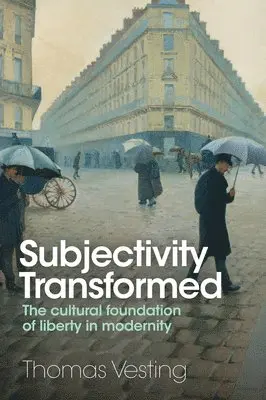
This book provides a historically informed reconstruction of the social practices that have shaped the formation of the modern subject from the early modern period to the present. The formal legal protections accorded to subjects are, and always have been, latent in social practices, norms, and language before they are articulated in formal legal orders.
Vesting argues that in Western societies legal personhood is closely tied to three ideal types of social personhood – what he calls the gentleman, the manager, and Homo digitalis. By examining these three ideal types and their emergence in society, we can see that Western formal law does not bring these ideal types into being but, on the contrary, they arise from the social and cultural conditions that they generate and reflect. Correspondingly, Western legal personhood, or “legal subjectivity,” arises from the history and culture of Western nations, not the other way around. Therefore, signature features of Western formal law, particularly its valorization of the rights of persons (whether natural or nonnatural), come from the particular sociohistorical cultural developments that had already generated the strong ideas of social personhood inherent in the ideal types of the gentleman, the manager, and Homo digitalis.
Subjectivity Transformed is a major contribution to legal and social theory and, with its original analysis of the formation of modern subjectivity, it will be of interest to students and scholars throughout the social sciences and humanities.
890 kr
Läs direkt efter köp
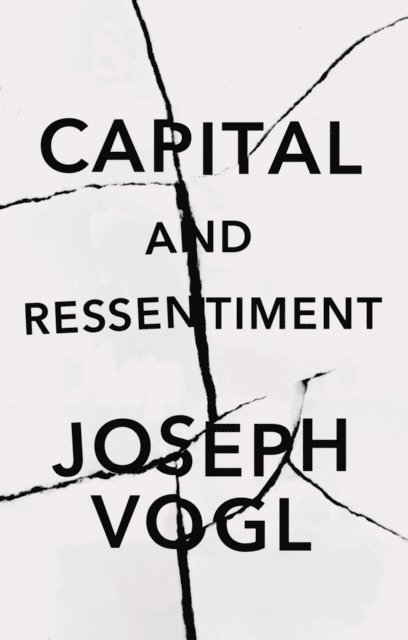
The proliferation of social media has provided ideal conditions in which feelings of anger and frustration can be expressed and shared, forming a deep pool of ressentiment that is being drawn upon and exploited by populist and authoritarian leaders.In his new book, Joseph Vogl shows how this dynamic is rooted in the fusing of finance capital and information in a new form of information capitalism that is reshaping the affective economy of our societies. The capital accumulation strategies of powerful new platforms and social media are pushing people into fragmented, opposing, and conflictual communities where ressentiment is nurtured and grows. The feelings of grievance and rejection generated by capitalism are redirected into attacks on migrants, foreigners, and others, thereby deflecting their critical potential, and bolstering the system that is their source. It is the cunning of ressentiment that provides the key to understanding why, despite the profusion of communication in our social media age, global finance and information capital can be neither understood nor attacked as a totalizing power.This brilliant analysis of the ways in which information capitalism is transforming the affective economy of our societies will be of great interest to anyone concerned with the forces that are shaping our societies today.
897 kr
Läs direkt efter köp
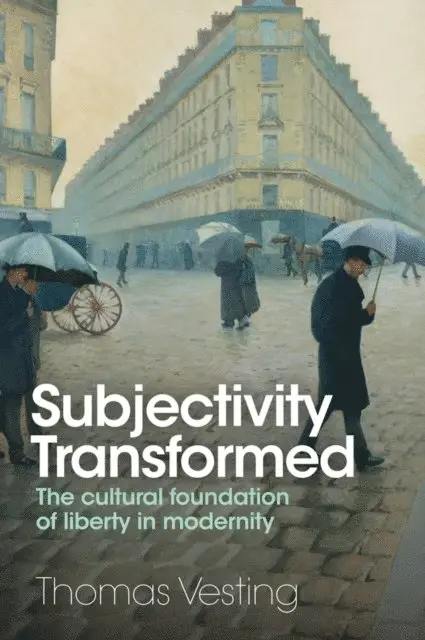
This book provides a historically informed reconstruction of the social practices that have shaped the formation of the modern subject from the early modern period to the present. The formal legal protections accorded to subjects are, and always have been, latent in social practices, norms, and language before they are articulated in formal legal orders.
Vesting argues that in Western societies legal personhood is closely tied to three ideal types of social personhood – what he calls the gentleman, the manager, and Homo digitalis. By examining these three ideal types and their emergence in society, we can see that Western formal law does not bring these ideal types into being but, on the contrary, they arise from the social and cultural conditions that they generate and reflect. Correspondingly, Western legal personhood, or “legal subjectivity,” arises from the history and culture of Western nations, not the other way around. Therefore, signature features of Western formal law, particularly its valorization of the rights of persons (whether natural or nonnatural), come from the particular sociohistorical cultural developments that had already generated the strong ideas of social personhood inherent in the ideal types of the gentleman, the manager, and Homo digitalis.
Subjectivity Transformed is a major contribution to legal and social theory and, with its original analysis of the formation of modern subjectivity, it will be of interest to students and scholars throughout the social sciences and humanities.
366 kr
Skickas inom 7-10 vardagar
411 kr
Läs direkt efter köp
796 kr
Skickas inom 7-10 vardagar
1 030 kr
Läs direkt efter köp
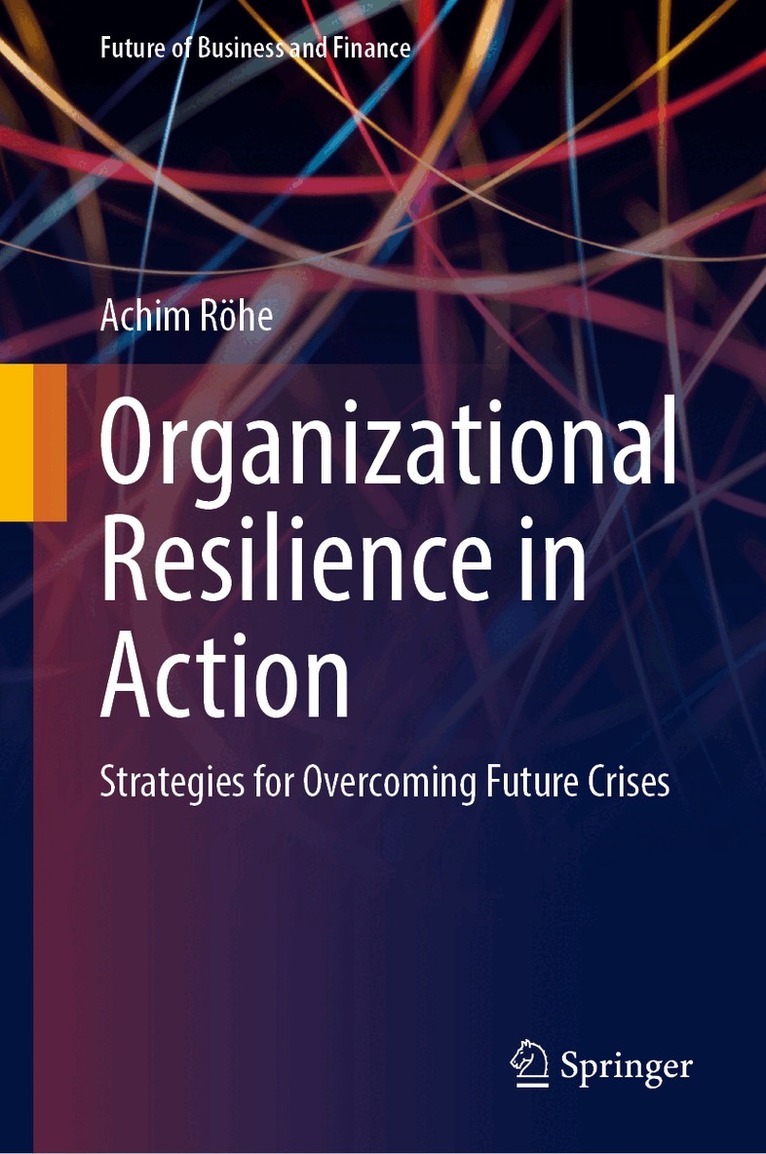
In a rapidly evolving digital landscape, companies are increasingly driven by automation, where software algorithms replace human decision-making. This book explores the concept of the self-driving company, an organization that has reached a high level of automation through various stages of development. It tackles the critical question: Can we trust such automated entities? Using intuitive models and clear, practical examples, the book demonstrates how these future companies can develop resilience and effectively handle upcoming crises. It provides insights into how businesses can adapt and thrive in a volatile, uncertain, complex, and ambiguous (VUCA) world, making it essential reading for those interested in the future of digitalization and resilience management.
588 kr
Skickas inom 10-15 vardagar
962 kr
Kommande