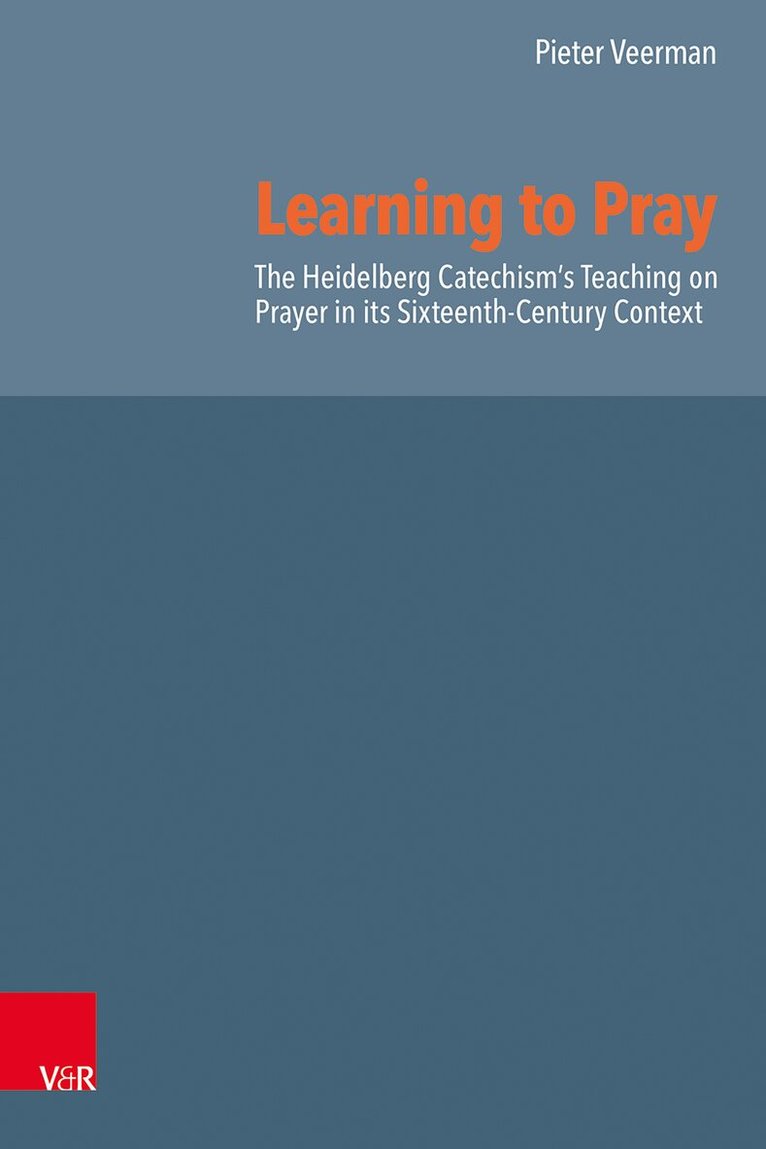
Pieter Veerman in his work explains why the Heidelberg Catechism is a unique teacher of thankfulness in its sixteenth-century context. Veerman provides an in-depth theological analysis of Q&A 115–129. The author compares this teaching with Catholic, Lutheran, and Reformed catechetical writings, demonstrating that the Heidelberg Catechism is a synthesis of earlier theological thought. The explanation of the Lord’s Prayer is central, as it is within the broader catechetical tradition. The Heidelberg Catechism’s uniqueness lies in its thoughtful presentation and integration of various elements. By presenting catechetical answers in the form of prayers themselves, this catechism establishes itself as a valuable manual of piety. It differs from contemporaneous Catholic catechisms by emphasizing that true prayer arises from the heart. Its emphasis on the Holy Spirit is a distinctly Reformed feature.
Pieter Veerman in his work explains why the Heidelberg Catechism is a unique teacher of thankfulness in its sixteenth-century context. Veerman provides an in-depth theological analysis of Q&A 115–129. The author compares this teaching with Catholic, Lutheran, and Reformed catechetical writings, demonstrating that the Heidelberg Catechism is a synthesis of earlier theological thought. The explanation of the Lord''s Prayer is central, as it is within the broader catechetical tradition. The Heidelberg Catechism''s uniqueness lies in its thoughtful presentation and integration of various elements. By presenting catechetical answers in the form of prayers themselves, this catechism establishes itself as a valuable manual of piety. It differs from contemporaneous Catholic catechisms by emphasizing that true prayer arises from the heart. Its emphasis on the Holy Spirit is a distinctly Reformed feature.
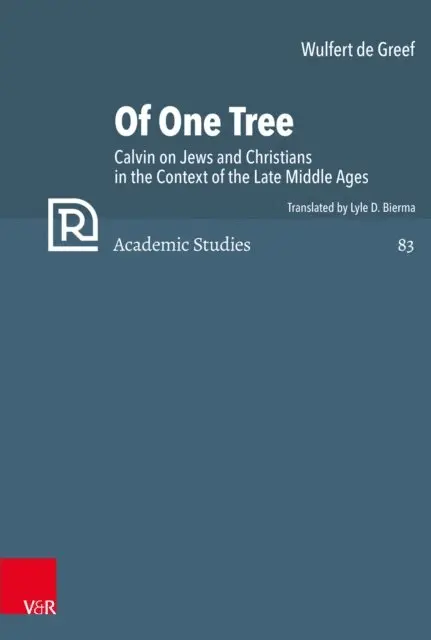
This is the first work to examine Calvin''s understanding of the relationship between Jews and Christians at such a fundamental level. After an overview of the status of Jews in Europe during the late Middle Ages and the interest at that time in the knowledge of Hebrew and Judaism, the author turns specifically to Calvin and his interpretation of the Bible.Several important questions are addressed: How did Calvin understand the relationship between Jews and Christians? Have Christians taken the place of the Jews, or do they belong to the Jews because they are included in the relationship between God and Israel? What does Calvin have to say about the future of the Jews?The author concludes that Calvin''s view of the relationship between Jews and Christians is closely tied to his view of the unity of the Old and New Testaments.