Häftad, Engelska, 2027
196 kr
Kommande
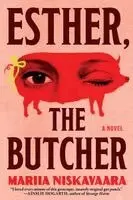
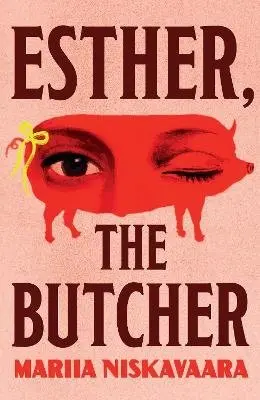
Here comes Esther. Tall Esther. Big Esther. Esther, the butcher.Weaned on aspic and sausage, she has strong thighs and a short skirt. She loves her body.She lives in a small town built around a meat factory. She has a natural talent for butchery and works at the slaughterhouse. She loves her job.Life is simple and beautiful. There is only one thing missing: a child.The whole town knows: Esther and her husband, an inseminator at the town's pig farm, are trying for a baby. But is there a bump under that coat? No, not yet.As the town pulses with rumour and Esther burns with an as yet unfulfilled desire for a baby, she grows to understand the secret power of her body. Her flesh is not weak, and her spirit is even stronger.Already an international sensation - selling in thirty-one territories in a matter of weeks - this darkly comic, truly touching, gleefully grotesque modern fairy tale announces the arrival of Mariia Niskavaara's extraordinary voice.