2 926 kr
Skickas inom 10-15 vardagar
2 926 kr
Skickas inom 10-15 vardagar
822 kr
Skickas inom 10-15 vardagar
949 kr
Läs direkt efter köp
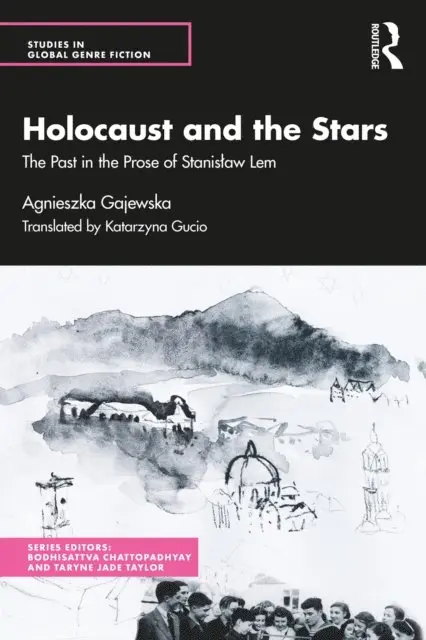
This book is a groundbreaking study of one of the greatest science fiction writers, the Polish master Stanisław Lem. It offers a new direction in research on his oeuvre and corrects several errors commonly appearing in his biographies. The author painstakingly recreates the context of Lem’s early life and his traumatic experiences during the Second World War due to his Jewish background, and then traces these through original and brilliant readings of his fiction and non-fiction. She considers language, worldbuilding, themes, motifs and characterization as well as many buried allusions to the Holocaust in Lem’s published and archival work, and uses these fragments to capture a different side of Lem than previously known. The book discusses various issues concerning the writer’s life, such as his upbringing in a Jewish, Zionist-minded family, the extensive relations between the Lem family and the elite of Lviv at that time, details of the Lem family killed during the German occupation and attempts to reconstruct what happened to Lem’s parents and to the writer himself after escaping the ghetto.
Part of the Studies in Global Genre Fiction series, this English translation of the Polish original, which has already been considered a milestone in Lem studies, offers a fresh perspective on the writer and his work. It will be an important intervention for scholars and researchers of Jewish studies, Holocaust literature, science fiction studies, English literature, world war studies, minority studies, popular culture, history and cultural studies.
956 kr
Läs direkt efter köp
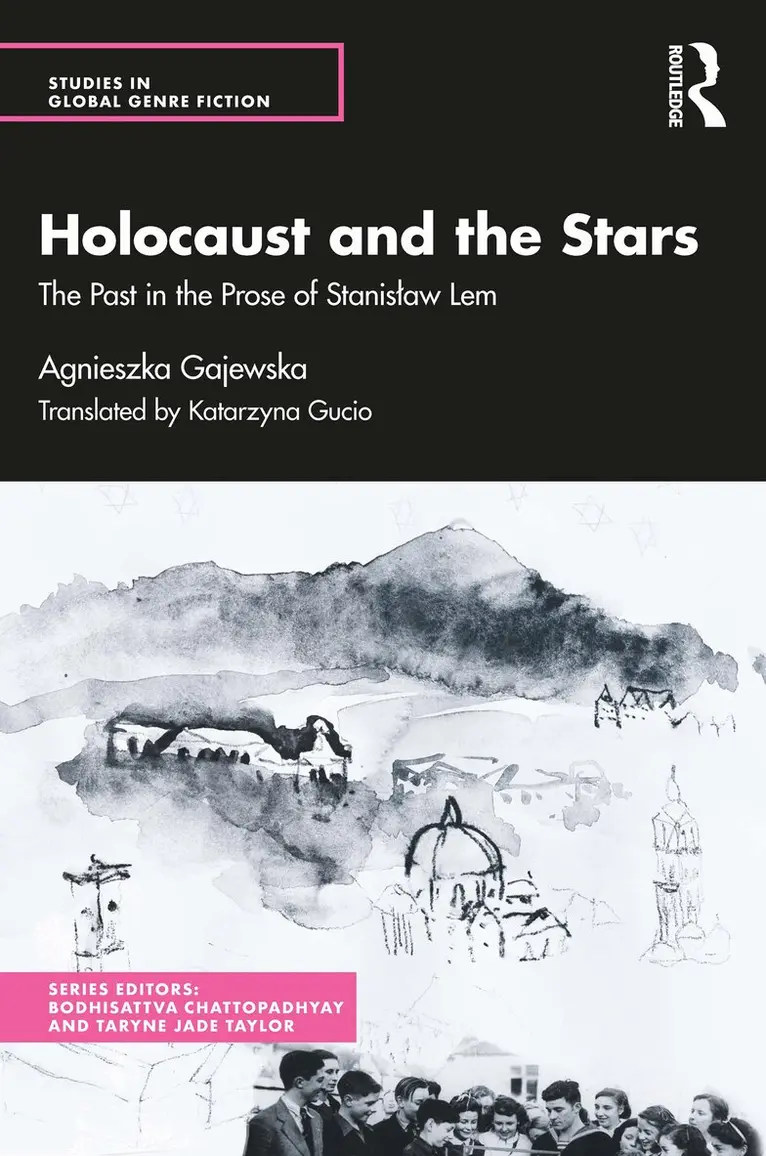
This book is a groundbreaking study of one of the greatest science fiction writers, the Polish master Stanisław Lem. It offers a new direction in research on his oeuvre and corrects several errors commonly appearing in his biographies. The author painstakingly recreates the context of Lem’s early life and his traumatic experiences during the Second World War due to his Jewish background, and then traces these through original and brilliant readings of his fiction and non-fiction. She considers language, worldbuilding, themes, motifs and characterization as well as many buried allusions to the Holocaust in Lem’s published and archival work, and uses these fragments to capture a different side of Lem than previously known. The book discusses various issues concerning the writer’s life, such as his upbringing in a Jewish, Zionist-minded family, the extensive relations between the Lem family and the elite of Lviv at that time, details of the Lem family killed during the German occupation and attempts to reconstruct what happened to Lem’s parents and to the writer himself after escaping the ghetto.
Part of the Studies in Global Genre Fiction series, this English translation of the Polish original, which has already been considered a milestone in Lem studies, offers a fresh perspective on the writer and his work. It will be an important intervention for scholars and researchers of Jewish studies, Holocaust literature, science fiction studies, English literature, world war studies, minority studies, popular culture, history and cultural studies.
1 407 kr
Skickas inom 10-15 vardagar
661 kr
Skickas inom 7-10 vardagar
835 kr
Skickas inom 3-6 vardagar
679 kr
Läs direkt efter köp
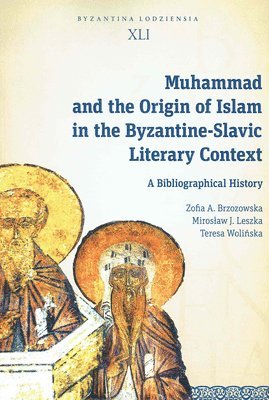
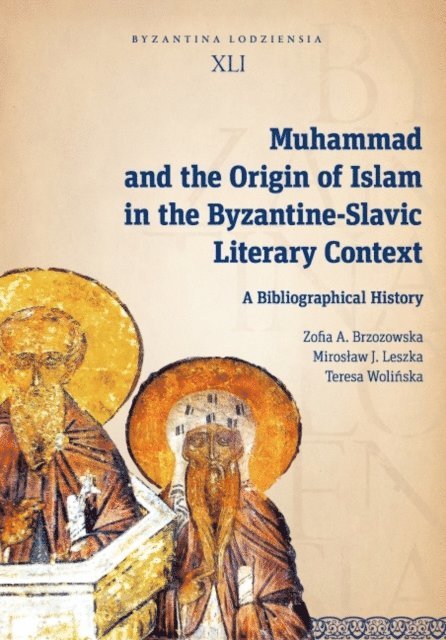
The presented publication is a type of bibliographic dictionary, compiled by an interdisciplinary team of authors (Byzantynists and Paleoslavists), containing an overview of medieval texts referring to the person of Muhammad, the Arabs, and the circumstances of the birth of Islam, which were known in the Slavia Orthodoxa area (especially in its eastern part, i.e. in Rus’). Therefore, it presents the works written in the Church Slavic language between the 9th and the mid-16th centuries. As the Old Rus’ discourse on Islam was shaped under the overwhelming influence of Byzantine literature, the majority of the presented sources are Byzantine texts from the 6th–14th centuries, translated into the literary language of the Orthodox Slavs. The reader will also find here a discussion on several relics, originally created in other languages of the Christian East (Syriac, Arabic) and the West (Latin), which – through the Greek – were assimilated on the Slavic ground.This book aims to fill a gap in previous studies on inter-religious polemics in the Middle Ages, which has usually focused on Christian-Muslim cultural relations, analyzing Greek and Latin texts or the works written in one of the Middle Eastern languages, almost completely ignoring the Church Slavic heritage. It is worth noting that a number of the texts presented here (as well as Slavic translations of Byzantine sources) have not been published so far. The information on them, provided in this monograph, is therefore the result of research conducted directly on the manuscript material.