A rare eyewitness account of a journey from Spain to the Americas during the Spanish colonial periodAmong documents of Floridas Spanish colonial period, few eyewitness accounts exist. One of these, the 1595 narrative by Fray Andrs de San Miguel, expertly translated into English by John Hann, describes the two-year odyssey of a teenager from Spain across the Atlantic to Mexico, Havana, and Florida and finally back to Spain. The future friars account of his experiences as a young sailor brings to life the fleets of Spain and reveals how his journeys would change his life forever. It also provides vivid information about the Indigenous people of the Georgia and Florida coast.After Andrss ship passed Cape Canaveral, it was battered by a four-day storm and separated from the fleet. The officers commandeered the only launch and escaped; the crew kept the ship afloat and improvised a box-like vessel in which 30 survivors reached shore near the mouth of the Altamaha Rivermore dead than alive for lack of food and water. The author offers detailed descriptions of the Guale Indians and of Mission San Pedro Mocama on Cumberland Island. He also provides vignettes of life in St. Augustine and, on his way to Havana, of encounters with South Florida Indians who came out to trade and with a gentlemanly English pirate. The adventure closes with Fray Andrs return to Cadiz, Spain, where he witnessed the 1596 British siege and burning of that port.Only seventeen years old at the time of the voyage, Fray Andrs presents a cold-eyed view of the sailing experience in the sixteenth century, trenchant observations of the behavior of the ships officers and the circumstances of the survival of the crew, and insight into the ambitions, concerns, and religiosity of the Spaniards. The book includes Hanns translation of a brief introductory essay written by Fray Andrs Mexican publisher, telling of the young mans entry into the Carmelites and his later life as a church architect, builder, and hydrographic expert involved in the drainage of the valley of Mexico City.
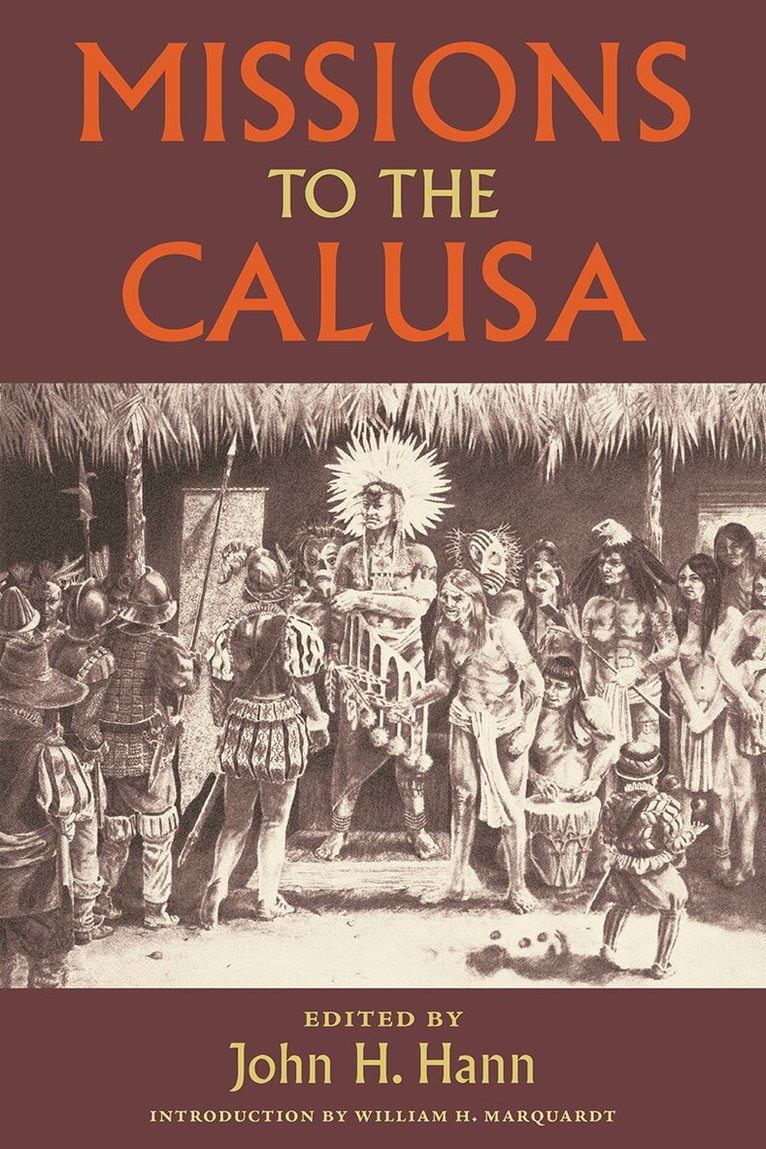
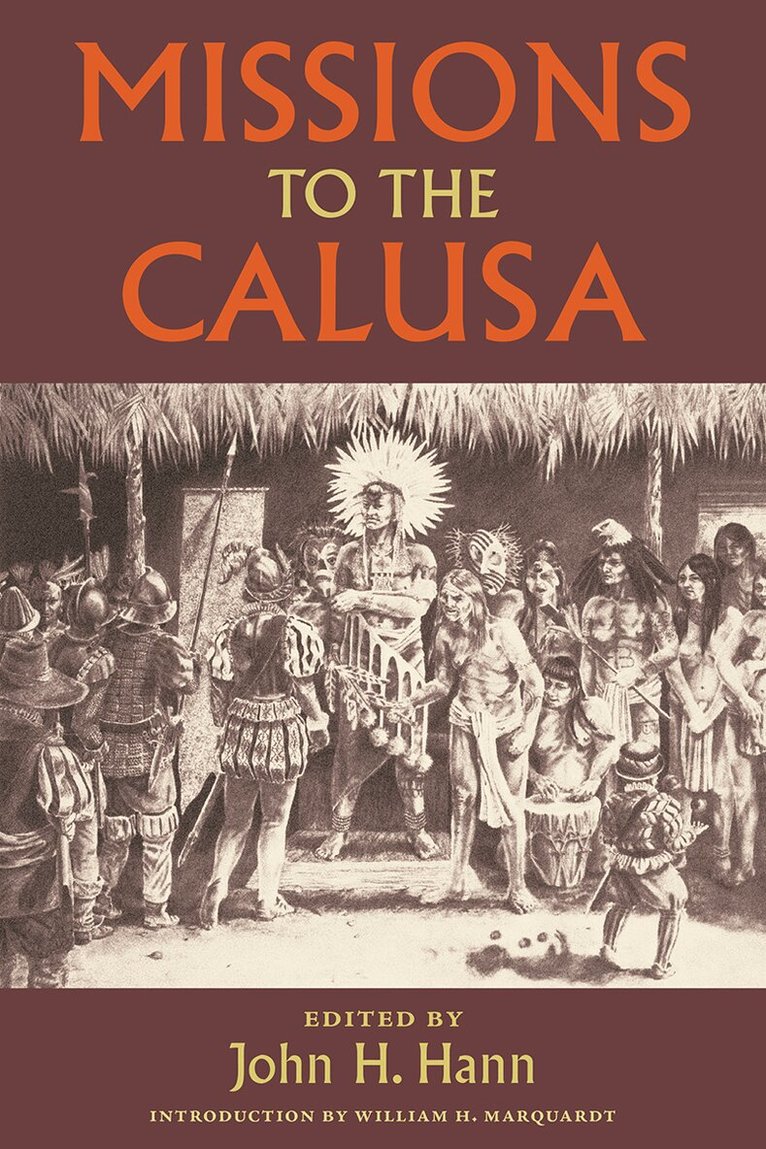
A compilation of historical documents written by Europeans during the colonization of southwest FloridaWhen Europeans arrived in southwest Florida in the early sixteenth century, they encountered a complex and powerful society. The Calusa have posed an enigma to many anthropologists and historians. This work provides missing information on the ethnography of the Calusa, a society that inhabited the area of Florida now known as Charlotte, Lee, and Collier counties. This compilation of historical documents includes many reports never before translated into English, including letters from Pedro Menéndez, reports from King Charles II and governors, bishops and soldiers, and eyewitness testimony from priests and laypersons about mission efforts from the sixteenth through the eighteenth centuries.John Hann introduces Spanish contact with the Calusa from the early seventeenth century, focusing particularly on the ill-fated Franciscan attempt in 1697 to convert the Calusa to Christianity. His voluminous documentation for this effort is particularly valuable for its description of the role played by the Crown in instigating the mission despite little enthusiasm from religious authorities.
A rare eyewitness account of a journey from Spain to the Americas during the Spanish colonial periodAmong documents of Florida’s Spanish colonial period, few eyewitness accounts exist. One of these, the 1595 narrative by Fray Andrés de San Miguel, expertly translated into English by John Hann, describes the two-year odyssey of a teenager from Spain across the Atlantic to Mexico, Havana, and Florida and finally back to Spain. The future friar’s account of his experiences as a young sailor brings to life the fleets of Spain and reveals how his journeys would change his life forever. It also provides vivid information about the Indigenous people of the Georgia and Florida coast.After Andrés’s ship passed Cape Canaveral, it was battered by a four-day storm and separated from the fleet. The officers commandeered the only launch and escaped; the crew kept the ship afloat and improvised a box-like vessel in which 30 survivors reached shore near the mouth of the Altamaha River—more dead than alive for lack of food and water. The author offers detailed descriptions of the Guale Indians and of Mission San Pedro Mocama on Cumberland Island. He also provides vignettes of life in St. Augustine and, on his way to Havana, of encounters with South Florida Indians who came out to trade and with a gentlemanly English pirate. The adventure closes with Fray Andrés’ return to Cadiz, Spain, where he witnessed the 1596 British siege and burning of that port.Only seventeen years old at the time of the voyage, Fray Andrés presents a cold-eyed view of the sailing experience in the sixteenth century, trenchant observations of the behavior of the ship’s officers and the circumstances of the survival of the crew, and insight into the ambitions, concerns, and religiosity of the Spaniards. The book includes Hann’s translation of a brief introductory essay written by Fray Andrés’ Mexican publisher, telling of the young man’s entry into the Carmelites and his later life as a church architect, builder, and hydrographic expert involved in the drainage of the valley of Mexico City.
Among documents of Florida's Spanish colonial period, few eyewitness accounts exist. One of these, the 1595 narrative by Fray Andres de San Miguel, expertly translated by John Hann, describes the two-year odyssey of a teenager from Spain across the Atlantic to Mexico, Havana, and Florida and finally back to Spain. The future friar's account of his experiences as a young sailor brings to life the fleets of the Golden Age of Spain and reveals how those adventures would change his life forever. After Andres's ship passed Cape Canaveral, it was battered by a four-day storm and separated from the fleet. The officers commandeered the only launch and escaped; the crew kept the ship afloat and improvised a box-like vessel in which 30 survivors reached shore near the mouth of the Altamaha River. The author offers detailed descriptions of the Guale Indians and of Mission San Pedro Mocama on Cumberland Island. He also provides vignettes of life in St. Augustine and, on his way to Havana, of encounters with South Florida Indians. The adventure closes with Fray Andres' return to Cadiz, where he witnessed the 1596 British siege and burning of that port. Only seventeen years old at the time of the voyage, Fray Andres presents a cold-eyed view of the sailing experience in the 16th century, trenchant observations on the behavior of the ship's officers and the circumstances of the survival of the crew, and insight into the ambitions, concerns, and religiosity of the Spaniards. The book includes Hann's translation of a brief introductory essay written by Fray Anders' Mexican publisher, telling of the young man's entry into the Carmelites and the accomplishments of his later life as a church architect, builder, and hydrographic expert involved in the drainage of the valley of Mexico City.