309 kr
Skickas inom 3-6 vardagar
309 kr
Skickas inom 3-6 vardagar
1 267 kr
Skickas
1 023 kr
Läs direkt efter köp
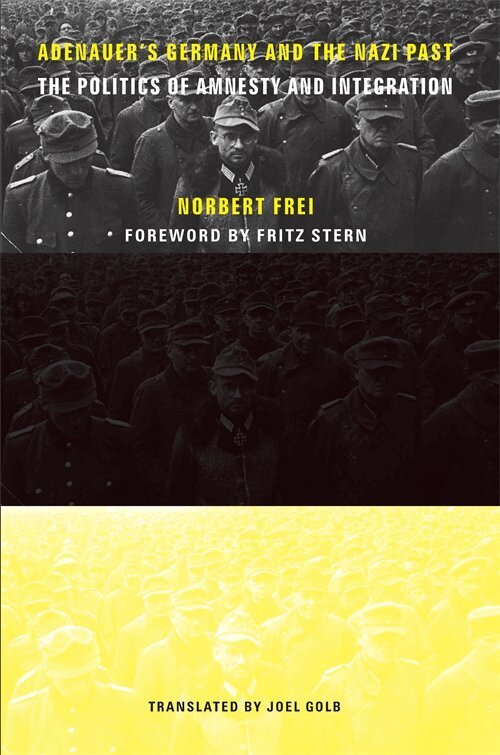
Of all the aspects of recovery in postwar Germany perhaps none was as critical or as complicated as the matter of dealing with Nazi criminals, and, more broadly, with the Nazi past. While on the international stage German officials spoke with contrition of their nation''s burden of guilt, at home questions of responsibility and retribution were not so clear. In this masterful examination of Germany under Adenauer, Norbert Frei shows that, beginning in 1949, the West German government dramatically reversed the denazification policies of the immediate postwar period and initiated a new "Vergangenheitspolitik," or "policy for the past," which has had enormous consequences reaching into the present. Adenauer''s Germany and the Nazi Past chronicles how amnesty laws for Nazi officials were passed unanimously and civil servants who had been dismissed in 1945 were reinstated liberally—and how a massive popular outcry led to the release of war criminals who had been condemned by the Allies. These measures and movements represented more than just the rehabilitation of particular individuals. Frei argues that the amnesty process delegitimized the previous political expurgation administered by the Allies and, on a deeper level, served to satisfy the collective psychic needs of a society longing for a clean break with the unparalleled political and moral catastrophe it had undergone in the 1940s. Thus the era of Adenauer devolved into a scandal-ridden period of reintegration at any cost. Frei''s work brilliantly and chillingly explores how the collective will of the German people, expressed through mass allegiance to new consensus-oriented democratic parties, cast off responsibility for the horrors of the war and Holocaust, effectively silencing engagement with the enormities of the Nazi past.
593 kr
Skickas inom 10-15 vardagar
234 kr
Skickas inom 10-15 vardagar
477 kr
Skickas inom 10-15 vardagar
402 kr
Skickas inom 10-15 vardagar
1 277 kr
Skickas inom 7-10 vardagar
504 kr
Skickas inom 7-10 vardagar
1 712 kr
Skickas inom 7-10 vardagar
1 714 kr
Läs direkt efter köp
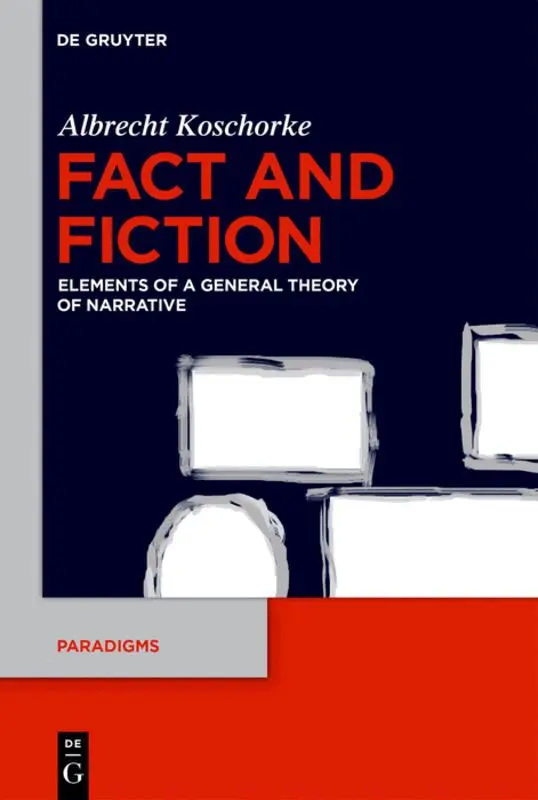
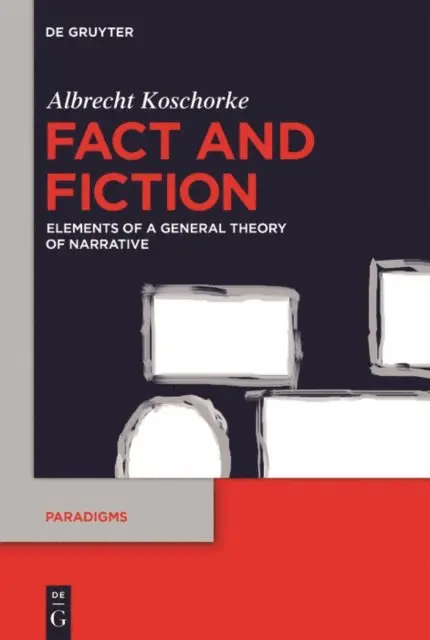
How can we develop a cultural theory starting with the basic insight that human beings are "storytelling animals"?
Within literary studies, narratology is a highly developed field. However, literary historians have not paid much attention to the large and small stories abounding in everyday discourse, guiding all kinds of social activity, and providing common ground for whole societies—but also fueling controversies and hostilities. Moreover, "narrative" is not only a scholarly category but has come into use in many fields of social activity as a tool for cultural self-fashioning. This book is based on the assumption that to a large extent, social dynamics is modeled in an aesthetic manner via narratives. It explores the narrative organization of cultural spaces and time-frames, the mythological shaping of communities and adversaries, and the co-production of narratives and institutions aimed at stabilizing social life. In this framework, the epistemological problem looms large of how an instrument as unreliable as narrative can participate in the creation of a social consensus regarding truth.
This problem endows the general topics explored in this book with a particularly contemporary dimension.

1 726 kr
Läs direkt efter köp
How can we develop a cultural theory starting with the basic insight that human beings are "storytelling animals"?
Within literary studies, narratology is a highly developed field. However, literary historians have not paid much attention to the large and small stories abounding in everyday discourse, guiding all kinds of social activity, and providing common ground for whole societies—but also fueling controversies and hostilities. Moreover, "narrative" is not only a scholarly category but has come into use in many fields of social activity as a tool for cultural self-fashioning. This book is based on the assumption that to a large extent, social dynamics is modeled in an aesthetic manner via narratives. It explores the narrative organization of cultural spaces and time-frames, the mythological shaping of communities and adversaries, and the co-production of narratives and institutions aimed at stabilizing social life. In this framework, the epistemological problem looms large of how an instrument as unreliable as narrative can participate in the creation of a social consensus regarding truth.
This problem endows the general topics explored in this book with a particularly contemporary dimension.
1 487 kr
Skickas inom 7-10 vardagar
1 505 kr
Läs direkt efter köp
1 446 kr
Läs direkt efter köp