
835 kr
Skickas inom 3-6 vardagar
835 kr
Skickas inom 3-6 vardagar
2 602 kr
Skickas inom 10-15 vardagar
626 kr
Skickas inom 10-15 vardagar
2 602 kr
Skickas inom 10-15 vardagar
842 kr
Skickas inom 10-15 vardagar

145 kr
Skickas inom 7-10 vardagar
171 kr
Skickas inom 7-10 vardagar
171 kr
Skickas inom 7-10 vardagar
642 kr
Läs direkt efter köp
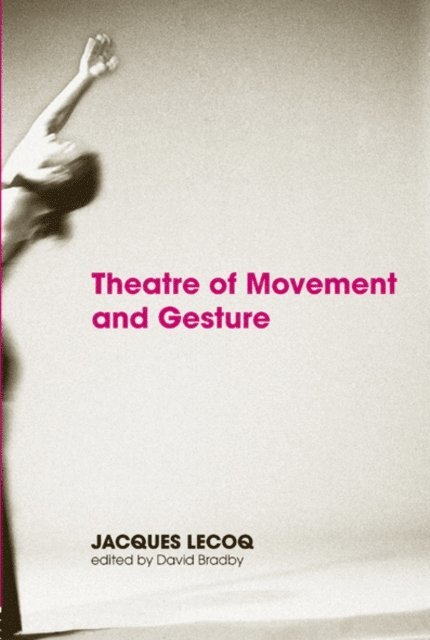
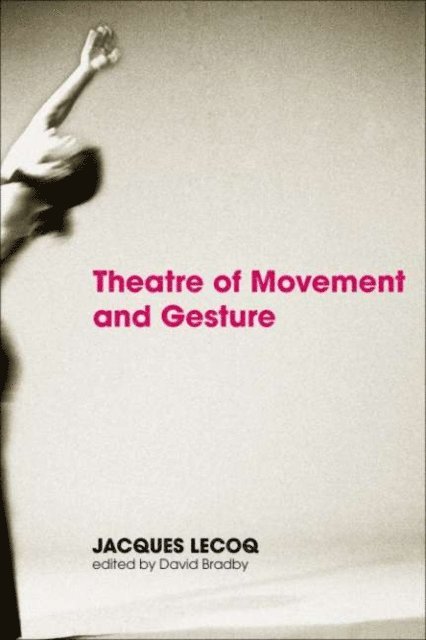
Published in France in 1987, this is the book in which Lecoq first set out his philosophy of human movement, and the way it takes expressive form in a wide range of different performance traditions. He traces the history of pantomime, sets out his definition of the components of the art of mime, and discusses the explosion of physical theatre in the second half of the twentieth century. Interviews with major theatre practitioners Ariane Mnouchkine and Jean-Louis Barrault by Jean Perret, together with chapters by Perret on Étienne Decroux and Marcel Marceau, fill out the historical material written by Lecoq, and a final section by Alain Gautré celebrates the many physical theatre practitioners working in the 1980s.
642 kr
Läs direkt efter köp
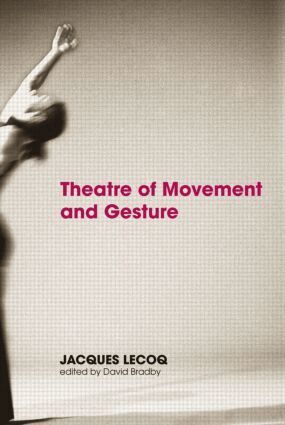
Published in France in 1987, this is the book in which Lecoq first set out his philosophy of human movement, and the way it takes expressive form in a wide range of different performance traditions. He traces the history of pantomime, sets out his definition of the components of the art of mime, and discusses the explosion of physical theatre in the second half of the twentieth century. Interviews with major theatre practitioners Ariane Mnouchkine and Jean-Louis Barrault by Jean Perret, together with chapters by Perret on Étienne Decroux and Marcel Marceau, fill out the historical material written by Lecoq, and a final section by Alain Gautré celebrates the many physical theatre practitioners working in the 1980s.
999 kr
Läs direkt efter köp
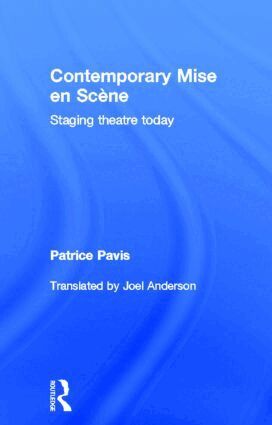
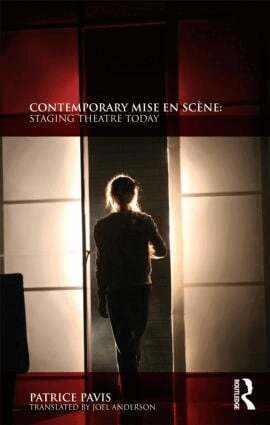
‘We have good reason to be wary of mise en scène, but that is all the more reason to question this wariness ... it seems that images from a performance come back to haunt us, as if to prolong and transform our experience as spectators, as if to force us to rethink the event, to return to our pleasure or our terror.’ – Patrice Pavis, from the foreword
Contemporary Mise en Scène is Patrice Pavis’s masterful analysis of the role that staging has played in the creation and practice of theatre throughout history. This stunningly ambitious study considers:
the staged reading, at the frontiers of mise en scène;
scenography, which sometimes replaces staging;
the reinterpretation of classical and contemporary works;
the development of intercultural theatre and ritual;
new technologies and their usage live on the stage;
the postmodern practice of deconstruction.
But it also applies sustained critical attention to the challenges of defining mise en scène, of tracking its development, and of exploring its possible futures. Joel Anderson’s powerful new translation lucidly realises Pavis’s investigation of the changing possibilities for stagecraft in the context of performance art, physical theatre and modern theory.
977 kr
Läs direkt efter köp
‘We have good reason to be wary of mise en scène, but that is all the more reason to question this wariness ... it seems that images from a performance come back to haunt us, as if to prolong and transform our experience as spectators, as if to force us to rethink the event, to return to our pleasure or our terror.’ – Patrice Pavis, from the foreword
Contemporary Mise en Scène is Patrice Pavis’s masterful analysis of the role that staging has played in the creation and practice of theatre throughout history. This stunningly ambitious study considers:
the staged reading, at the frontiers of mise en scène;
scenography, which sometimes replaces staging;
the reinterpretation of classical and contemporary works;
the development of intercultural theatre and ritual;
new technologies and their usage live on the stage;
the postmodern practice of deconstruction.
But it also applies sustained critical attention to the challenges of defining mise en scène, of tracking its development, and of exploring its possible futures. Joel Anderson’s powerful new translation lucidly realises Pavis’s investigation of the changing possibilities for stagecraft in the context of performance art, physical theatre and modern theory.