238 kr
Skickas inom 7-10 vardagar
238 kr
Skickas inom 7-10 vardagar
1 650 kr
Läs direkt efter köp
1 662 kr
Läs direkt efter köp
1 830 kr
Skickas inom 5-8 vardagar
882 kr
Skickas inom 7-10 vardagar
1 445 kr
Skickas
360 kr
Skickas
470 kr
Läs direkt efter köp
759 kr
Skickas inom 7-10 vardagar
263 kr
Skickas inom 7-10 vardagar
294 kr
Läs direkt efter köp
Munich 1919 is a vivid portrayal of the chaos that followed World War I and the collapse of the Munich Council Republic by one of the most perceptive chroniclers of German history. Victor Klemperer provides a moving and thrilling account of what turned out to be a decisive turning point in the fate of a nation, for the revolution of 1918-9 not only produced the first German democracy, it also heralded the horrors to come. With the directness of an educated and independent young man, Klemperer turned his hand to political journalism, writing astute, clever and linguistically brilliant reports in the beleaguered Munich of 1919. He sketched intimate portraits of the people of the hour, including Erich Mühsam, Max Levien and Kurt Eisner, and took the measure of the events around him with a keen eye. These observations are made ever more poignant by the inclusion of passages from his later memoirs. In the midst of increasing persecution under the Nazis he reflected on the fateful year 1919, the growing threat of antisemitism, and the acquaintances he made in the period, some of whom would later abandon him, while others remained loyal. Klemperer''s account once again reveals him to be a fearless and deeply humane recorder of German history. Munich 1919 will be essential reading for all those interested in 20th century history, constituting a unique witness to events of the period.
715 kr
Skickas inom 7-10 vardagar
234 kr
Skickas inom 7-10 vardagar
253 kr
Läs direkt efter köp
262 kr
Skickas inom 7-10 vardagar
294 kr
Läs direkt efter köp
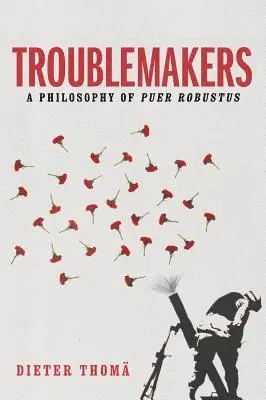
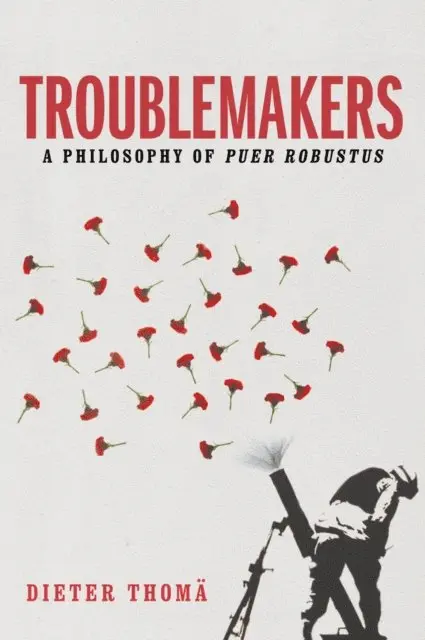
The political crises and upheavals of our age often originate from the periphery rather than the center of power. Figures like Edward Snowden, Julian Assange, and Chelsea Manning acted in ways that disrupted power, revealing truths that those in power wanted to keep hidden. They are thorns in the side of power, troublemakers in the eyes of the powerful, though their actions may be valuable and lead to positive changes.
In this important new book, Dieter Thomä examines the crucial but often overlooked function of these figures on the margins of society, developing a philosophy of troublemakers from the seventeenth century to the present day. Thomä takes as his starting point Hobbes’s idea of the puer robustus (literally “stout boy”), meaning a figure who rebels against order and authority. While Hobbes saw the puer robustus as a threat, he also recognized the potential, in the right conditions, for figures to rise up and become agents of positive change. Building on this notion, Thomä provides a rich survey of intellectuals who have been inspired by this idea over the past 300 years, from Rousseau, Diderot, Schiller, Victor Hugo, Marx, and Freud to Carl Schmitt, Leo Strauss, and Horkheimer, right up to the recent work of Badiou and Agamben. In doing so, he develops a typology of the puer robustus and a means by which we can evaluate and assess the troublemakers of our own times.
Thomä shows that troublemakers are an inescapable part of modernity, for as soon as social and political boundaries are defined, there will always be figures challenging them from the margins. This book will be of great interest not only to students and scholars in the humanities and social sciences but to anyone seeking to understand the crucial impact of these liminal figures on our world today.
132 kr
Skickas inom 7-10 vardagar
85 kr
Skickas inom 7-10 vardagar
127 kr
Läs direkt efter köp
209 kr
Skickas inom 7-10 vardagar
214 kr
Läs direkt efter köp
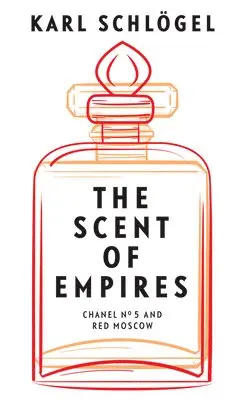
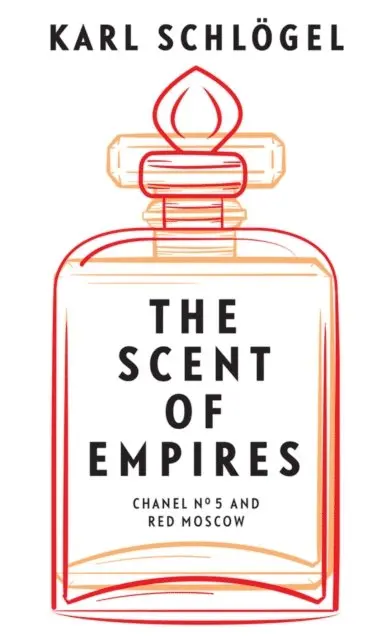
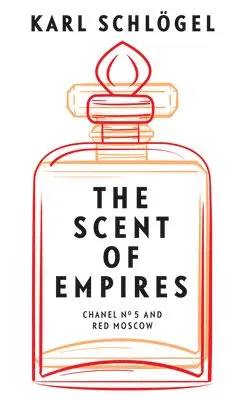
Can a drop of perfume tell the story of the twentieth century? Can a smell bear the traces of history? What can we learn about the history of the twentieth century by examining the fate of perfumes?
In this remarkable book, Karl Schlögel unravels the interconnected histories of two of the world''s most celebrated perfumes. In tsarist Russia, two French perfumers – Ernest Beaux and Auguste Michel – developed related fragrances honouring Catherine the Great for the 300th anniversary of the Romanov dynasty. During the Russian Revolution and Civil War, Beaux fled Russia and took the formula for his perfume with him to France, where he sought to adapt it to his new French circumstances. He presented Coco Chanel with a series of ten fragrance samples in his laboratory and, after smelling each, she chose number five – the scent that would later go by the name Chanel No. 5. Meanwhile, as the perfume industry was being revived in Soviet Russia, Auguste Michel used his original fragrance to create Red Moscow for the tenth anniversary of the Revolution. Piecing together the intertwined histories of these two famous perfumes, which shared a common origin, Schlögel tells a surprising story of power, intrigue and betrayal that offers an altogether unique perspective on the turbulent events and high politics of the twentieth century.
This brilliant account of perfume and politics in twentieth-century Europe will be of interest to a wide general readership.
762 kr
Skickas inom 7-10 vardagar
262 kr
Skickas inom 7-10 vardagar
294 kr
Läs direkt efter köp
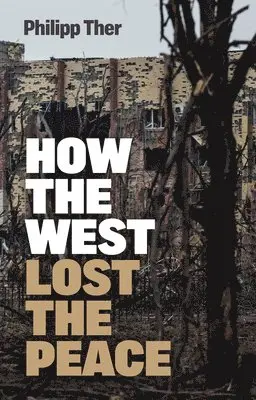
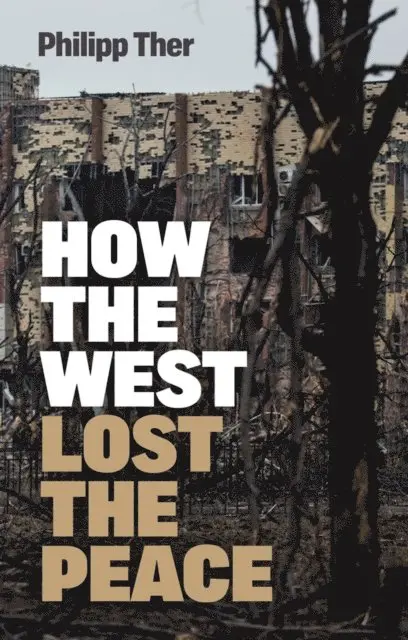
When the Berlin Wall was stormed and the Soviet Union fell apart, the West and above all the United States looked like the sole victors of history. Three decades later, the spirit of triumph rings hollow. What went wrong?
In this sequel to his award-winning history of neoliberal Europe, the renowned historian Philipp Ther searches for an answer to this question. He argues that global capitalism created many losers, preparing the ground for the rise of right-wing populists and nationalists. He shows how the promise of prosperity and freedom did not catch on sufficiently in Eastern Europe despite material progress, and how the West lost Russia and alienated Turkey. Neoliberal capitalism also left the world poorly prepared to cope with Covid-19, and the pandemic further weakened the Western hegemony of the post-1989 period, which is now brutally contested by Russia’s war against Ukraine. The double punch of the pandemic and the biggest war in Europe since 1945 has brought to a close the age of transformation that was inaugurated by the end of the Cold War.
This penetrating analysis of the disarray of the post-1989 world will be of great interest to anyone who wishes to understand how we got to where we are today and the tremendous challenges we now face.417 kr
Läs direkt efter köp
1 747 kr
Skickas inom 7-10 vardagar
444 kr
Skickas
411 kr
Skickas inom 7-10 vardagar
136 kr
Tillfälligt slut