2 861 kr
Skickas inom 10-15 vardagar
2 861 kr
Skickas inom 10-15 vardagar
721 kr
Skickas inom 10-15 vardagar
774 kr
Läs direkt efter köp
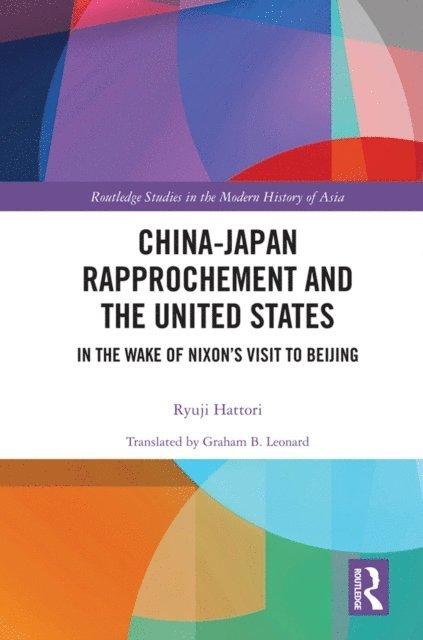
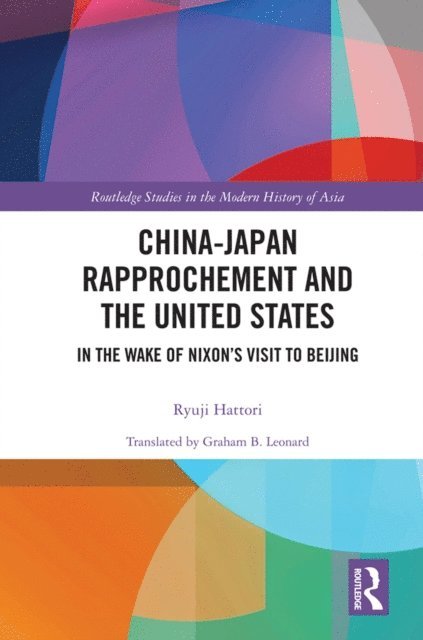
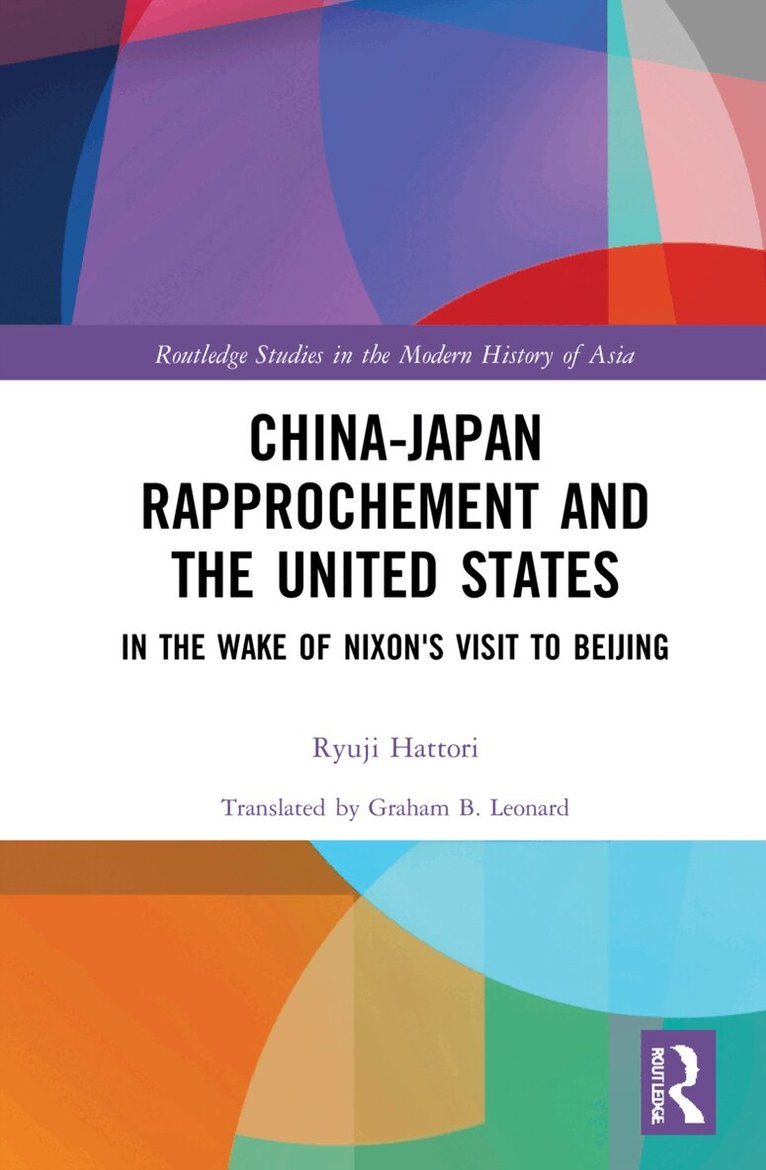
Based on extensive original research including interviews with key participants, this book examines how, following Richard Nixon’s famous visit to China in 1972, Japan established formal diplomatic relations with China, doing so before the United States and other Western countries. It considers the key personalities – Prime Minister Tanaka and Foreign Minister Ōhira on the Japanese side, and Zhou Enlai on the Chinese side, outlines how the discussions unfolded, and discusses the key issues which divided the two sides and how these issues were resolved: Japanese war reparations to China, how the two countries perceived their past, how Taiwan should be treated, and possession of the Senkaku Islands. The book also shows how Tanaka and Ōhira sought to reconcile China–Japan relations with the US–Japan Security Treaty and to continue non-governmental exchanges with Taiwan following the severing of relations. Overall, the book emphasises that the nature of the relationship established in 1972 continues to be very important for understanding present day China–Japan relations.
791 kr
Läs direkt efter köp
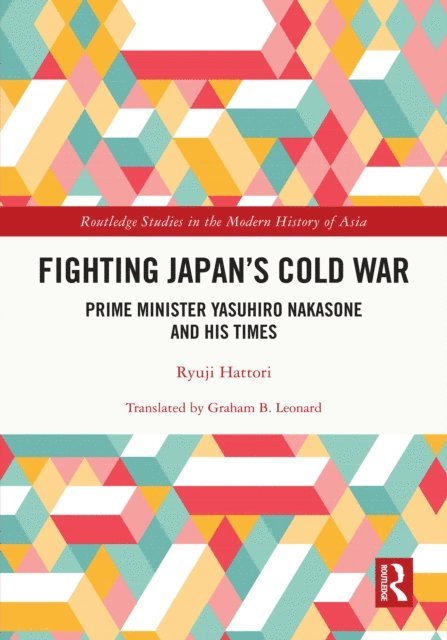
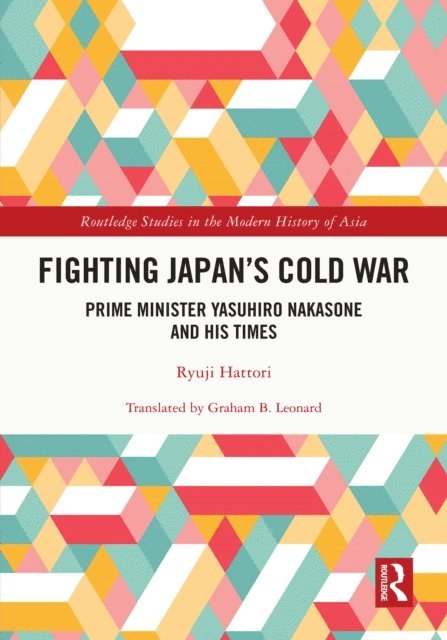
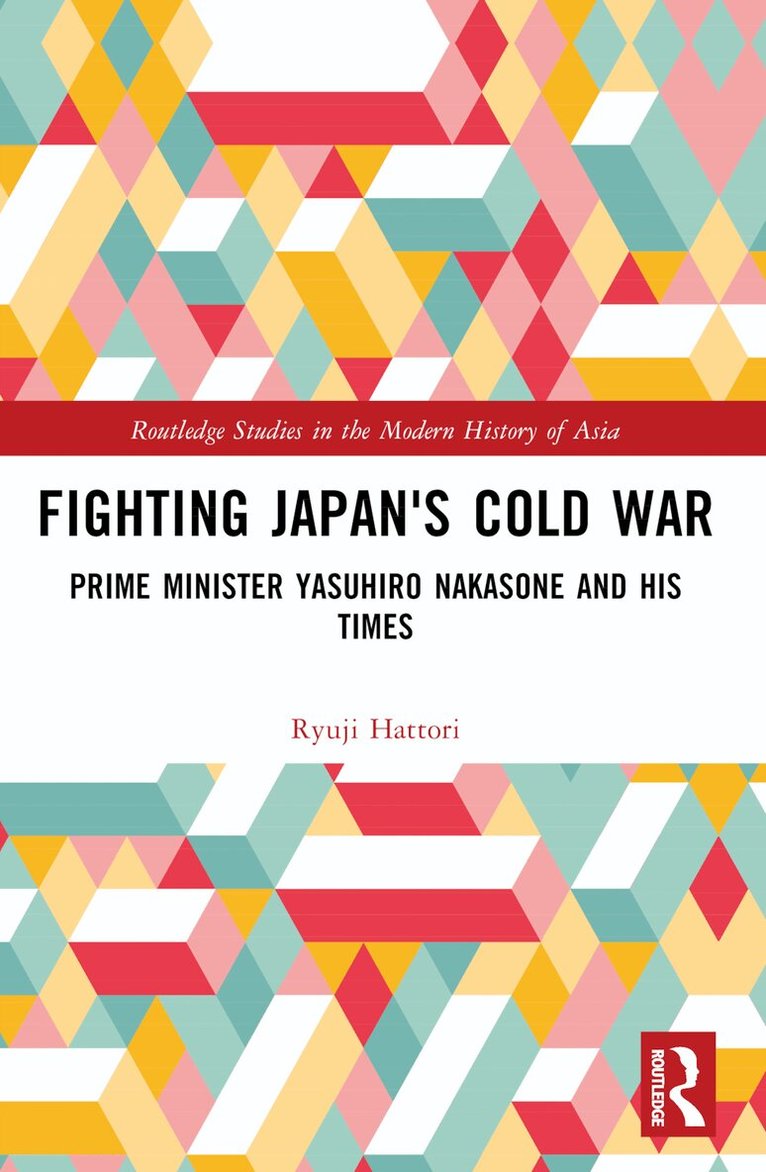
Yasuhiro Nakasone, who served as prime minister for more than five years in the 1980s, was one of Japan’s leading postwar politicians. This book is a biography of him, but by interweaving international politics and media appraisals of him, it also serves as an examination of Japan’s postwar politics. Nakasone was an innovative conservative who actively criticized the conservative mainstream, and this book reveals from both domestic and foreign policy perspectives how the Liberal Democratic Party governed. The Nakasone government served not only as the final phase of the Cold War era of LDP factional politics but also as the starting point for the general mainstream faction system that followed. With the lengthy passage of time since the end of the Cold War and the collapse of Japan’s 1955 party system, there is a need to reassess Nakasone, showing that there was much more to him than the popular picture of him as a far-right hawk who loudly advocated for Japan to engage in autonomous self-defense and as an opportunist leader of a small faction, and to place the era in which Nakasone lived its proper historical context.
2 618 kr
Skickas inom 10-15 vardagar
698 kr
Skickas inom 10-15 vardagar
2 216 kr
Skickas inom 10-15 vardagar
673 kr
Skickas inom 10-15 vardagar
2 610 kr
Skickas inom 10-15 vardagar
733 kr
Skickas inom 10-15 vardagar
1 294 kr
Skickas inom 10-15 vardagar
522 kr
Skickas inom 10-15 vardagar