A worldwide phenomenon and the most important French novelist since Camus, Michel Houellebecq now delivers his magnum opus–a tale of our present circumstances told from the future, when humanity as we know it has vanished.Surprisingly poignant, philosophically compelling, and occasionally laugh-out-loud funny, The Possibility of an Island is at once an indictment, an elegy, and a celebration of everything we have and are at risk of losing. It is a masterpiece from one of the world’s most innovative writers.From the Trade Paperback edition.
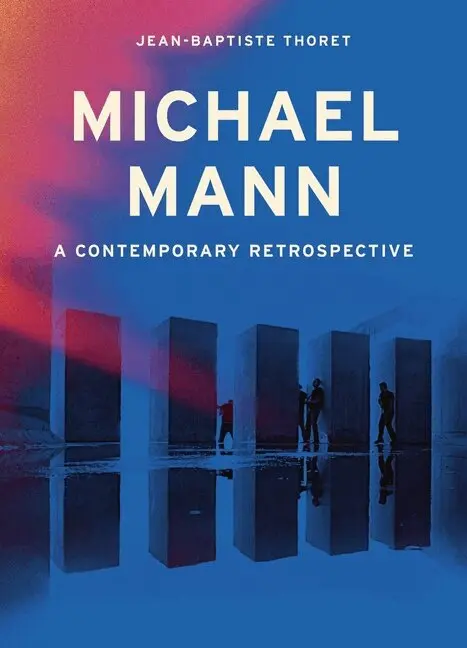
During his career, Michael Mann has drawn a singular and innovative line within the Hollywood industry. The Last of the Mohicans, Heat, Revelations, Ali, Collateral, Miami Vice, and even Public Enemies, have reshuffled the cards of American cinema to the point of making Mann one of the most important filmmakers of the last thirty years. Born in 1943 in Chicago, Michael Mann made Thief, his first film, in 1981. He went on to revolutionize television writing with the series Miami Vice and, in 1995, released the thriller Heat, which put him well and truly on the map. ln just a few shots, one can identify Mann’s unique filmmaking style: a predilection for urban settings – and in particular for Los Angeles, whose image he was able to renew – breathtaking night shots; a taste for supremely skilled but solitary men; an obsession with the world of crime; and above all, a contemplative way of filming that combines fascination and melancholy. Written by the highly regarded filmmaker and critic Jean-Baptiste Thoret, this illustrated examination of one of the most unique filmmakers of our time goes beyond the art, looking at everything that has led to Mann’s style and success.
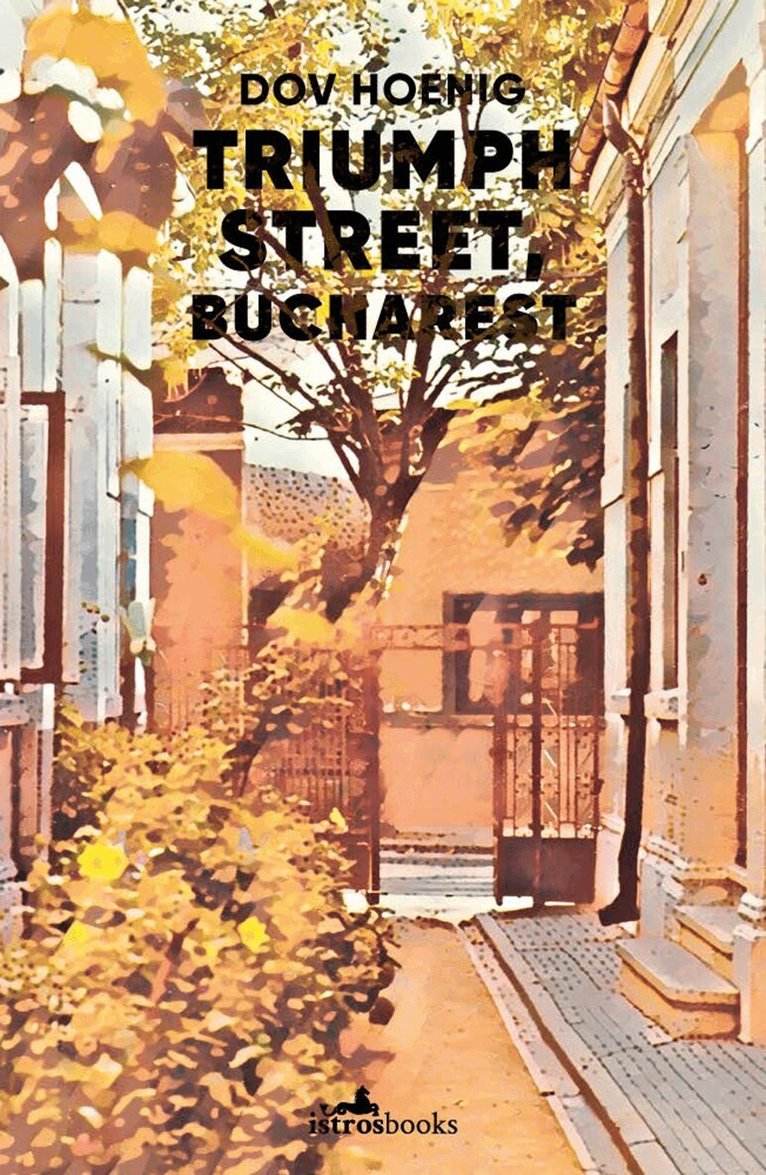
Bucharest, before and during World War II, where Bernard Davidescou lives with his parents and his older brother on Triumph Street, in the middle of a courtyard block inhabited by a dozen Jewish families and two Christian ones. When Romania, under General Ion Antonescu’s dictatorship, allies itself with Hitler and invades the USSR, the Jews in Bucharest face the threat of being sent to the Nazi extermination camps, after having survived the terror of the fascist Iron Guard. However, each Sunday morning, young Bernard, age twelve, passionate about politics and history, amazes the adults in the courtyard, Jews and Christians alike, with his analysis of the political situation in Romania and the development of the war on all fronts. ‘Rue du Triomphe’ is the story of this young boy and his dreams and torments during this dark period of human history, while also chronicling a family in crisis, the discovery of sexuality and first loves, and the distraction offered by the cinema, religious searching and idealistic aspirations for a better world.