111 kr
Skickas inom 7-10 vardagar
111 kr
Skickas inom 7-10 vardagar
194 kr
Tillfälligt slut
199 kr
Skickas inom 7-10 vardagar
267 kr
Skickas inom 7-10 vardagar
231 kr
Läs direkt efter köp
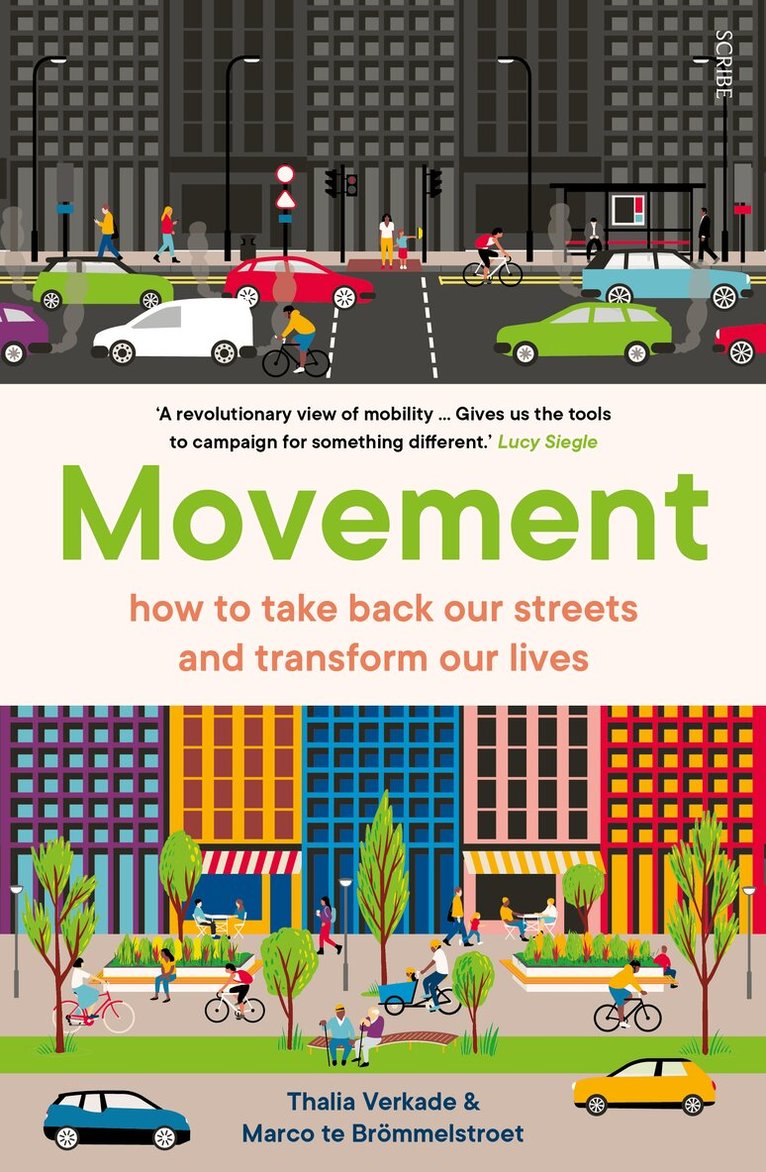
Our dependence on cars is damaging our health — and the planet’s. Movement asks radical questions about how we approach the biggest urban problem, reflecting on the apparent successes of Dutch cities.
Making our communities safer, cleaner, and greener starts with asking the fundamental question: who do our streets belong to?
Although there have been experiments in decreasing traffic in city centres, and an increase in bike-friendly infrastructure, there is still a long way to go.
In this enlightening and provocative book, Thalia Verkade and Marco te Brömmelstroet confront their own underlying beliefs and challenge us to rethink our ideas about transport to put people at the centre of urban design.
290 kr
Skickas
306 kr
Läs direkt efter köp
166 kr
Skickas inom 7-10 vardagar
170 kr
Skickas inom 7-10 vardagar
123 kr
Skickas
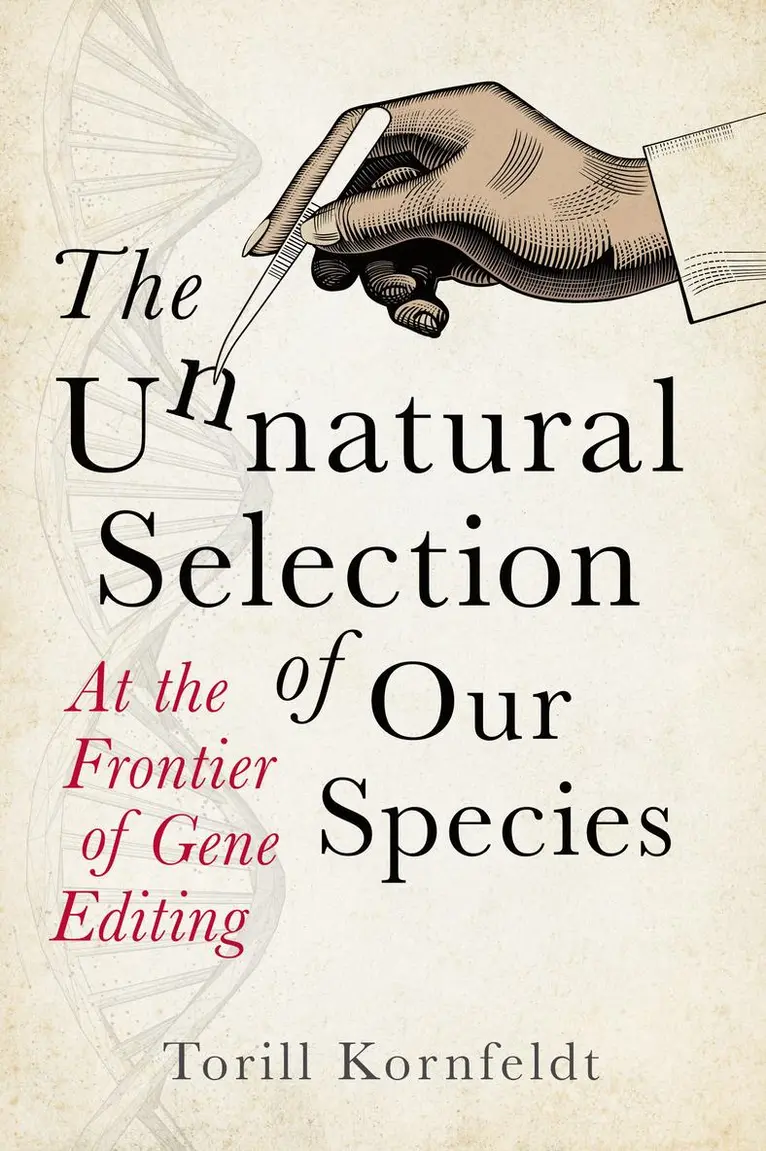
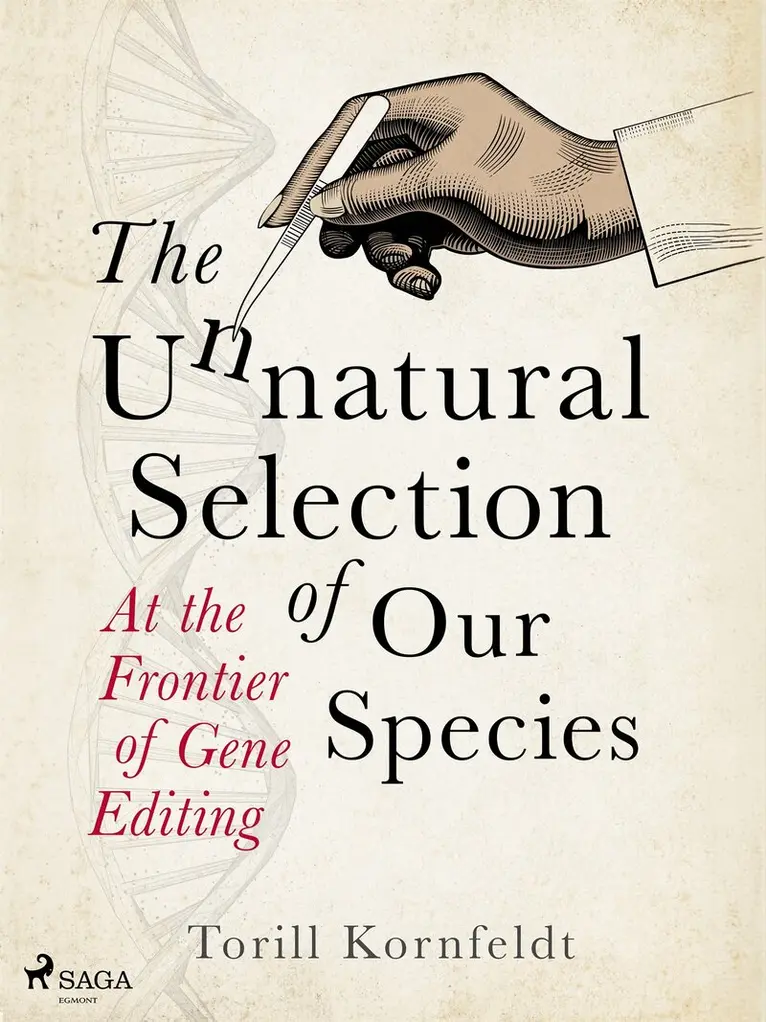
With a pair of genetic scissors known as CRISPR, we can potentially select the traits of our children, or avoid ageing, or cure disease. But with that ability comes a new set of risks, forcing us to face hard ethical questions.
Torill Kornfeldt has travelled all over the world to meet the people driving this research forward. She has visited fertility clinics in South Korea, oncologists in China who are experimenting on sick patients, and biohackers in the US who want to make the new technology available to everyone. In The Unnatural Selection of Our Species, she asks: How are we supposed to handle these new tools that could end up changing our genetic material?
'Well written, knowledgeable, and engaging – exactly how really good popular science is supposed to be' Gustav Källstrand, Nobel Centre
259 kr
Läs direkt efter köp
As the clock strikes the end of the war, the time begins to turn towards a new age — the one we call now.
This shift does not happen overnight, from one day to the next; instead, the world vibrates for a number of years. People try to find their way back to homes that are no longer there, or on to an uncertain future across the sea. Some run from their deeds, and most get away. Among the millions in flight across Europe looking for a new home in 1947 is Elisabeth Åsbrink’s father.
In 1947, production begins of the Kalashnikov, Christian Dior creates the New Look, Simone de Beauvoir writes The Second Sex, the first computer bug is discovered, the CIA is set up, a clockmaker’s son draws up the plan that remains the goal of jihadists to this day, and a UN Committee is given four months to find a solution to the problem of Palestine.
In 1947, Elisabeth Åsbrink chronicles the creation of the modern world, as the forces that will go on to govern all our lives during the next 70 years first make themselves known.
265 kr
Läs direkt efter köp
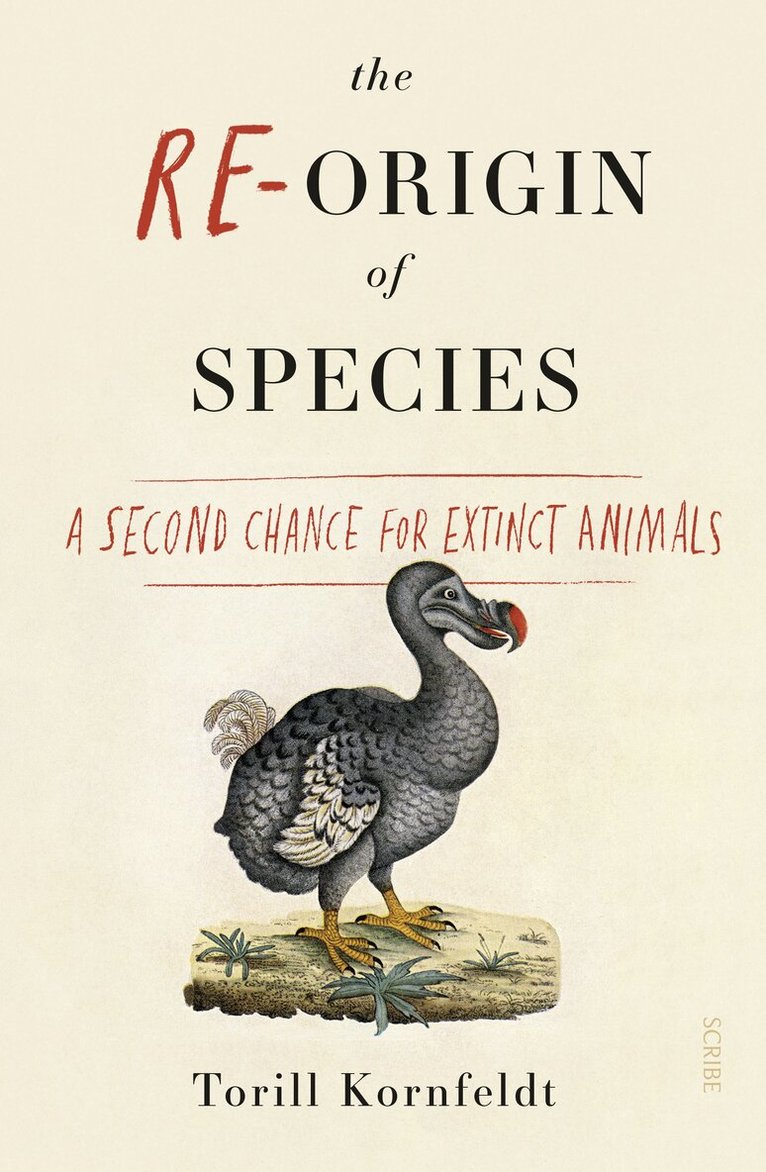
What does a mammoth smell like? Do dinosaurs bob their heads as they walk, like today’s birds? Do aurochs low like cows? You may soon find out.
From the Siberian permafrost to balmy California, scientists across the globe are working to resurrect all kinds of extinct animals, from ones that just left us to those that have been gone for many thousands of years. Their tools in this hunt are both fossils and cutting-edge genetic technologies. Some of these scientists are driven by sheer curiosity; others view the lost species as a powerful weapon in the fight to preserve rapidly changing ecosystems.
It seems certain that these animals will walk the earth again, but what world will that give us? And is any of this a good idea? Science journalist Torill Kornfeldt travelled the world to meet the men and women working to bring these animals back from the dead. Along the way, she has seen the mammoth that has been frozen for 20,000 years, and visited the places where these furry giants will live again.
273 kr
Läs direkt efter köp
The Swedish bestseller that will revolutionise the way you treat your skin.
Beautiful, healthy skin is a holy grail for teens with acne and adults with wrinkles alike, and multi-step beauty routines are all the rage. But we know surprisingly little about our largest organ.
Think drinking water will replenish your skin? Think again. More products, better skin? Nope. And an expensive product doesn’t guarantee reliable results. You don’t need to cleanse your skin in the morning; in fact, too much cleansing can be damaging. Toner is redundant, natural products are not always best, and bacteria are not the enemy — and that’s just the beginning!
Learn how to read the labels on products, know exactly what it is you’re putting on your skin, and make better decisions about how you care for it.
Using cutting-edge research about the microbiome, as well as the relationship between gut health and skin, The Scandinavian Skincare Bible challenges how we look at beauty today. By revealing the science and exposing commercial tricks, Dr Gillbro empowers us to lay the foundation for healthy, beautiful skin.
148 kr
Läs direkt efter köp
In 2018, the first genetically modified children were born.
Now we have the tools to reshape the future of our species.
With a pair of genetic scissors known as CRISPR, we can select the traits of our children, avoid ageing, or cure disease. With that ability comes new risks, forcing us to face hard ethical questions.
Torill Kornfeldt has travelled the world to meet the people driving this research forward. She has visited fertility clinics in South Korea, oncologists in China who are experimenting on sick patients, and biohackers in the US who want to make the new technology available to everyone. In The Unnatural Selection of Our Species, she asks: How can we handle these new tools that could change our genetic material?
'Well written, knowledgeable, and engaging – exactly how really good popular science is supposed to be' Gustav Källstrand, Nobel Centre
Torill Kornfeldt is a Swedish science journalist with a background in biology. She has worked in the science department of Sweden's leading morning newspaper Dagens Nyheter and at the science branch of the Swedish public radio. There she created the successful radio show Tekniksafari (Tech Safari) on new technology changing society. Her main focus is on how emerging bioengineering and technology will shape our future.