Against a backdrop of political corruption Jose lives an ordinary life, working a dead-end job catching mice in a dingy movie theater. Everything changes when he meets his wife Rosa thanks to the help of the Happy Heart Marriage Agency. They seem to have an understanding: Jose isn't bothered by Rosa's dishonesty, extra weight, and fantastically promiscuous past; Rosa isn't too put off by Jose's clubbed foot, periodic blackouts, or lack of direction--she just wants a house. Pragmatic, Jose sets out to get the money necessary to make that possible. And in doing so, he manages to become a robber, sniper, and political subversive wanted by the government. Deploying fast-paced, short chapters in a number of styles, Brandao deftly presents an array of engaging characters and conflicts, vividly depicting the absurdity of a repressive political regime with exceptional daring and humor.
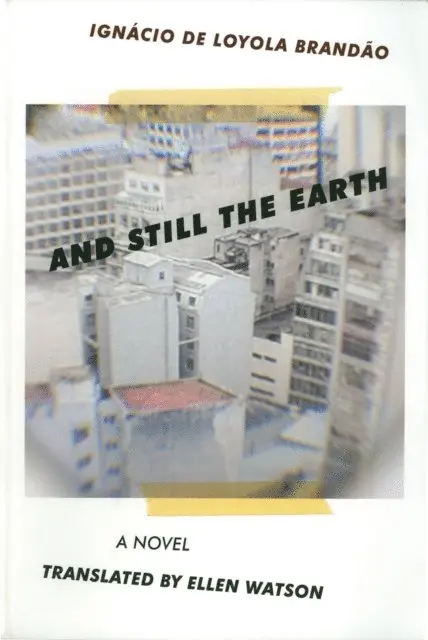
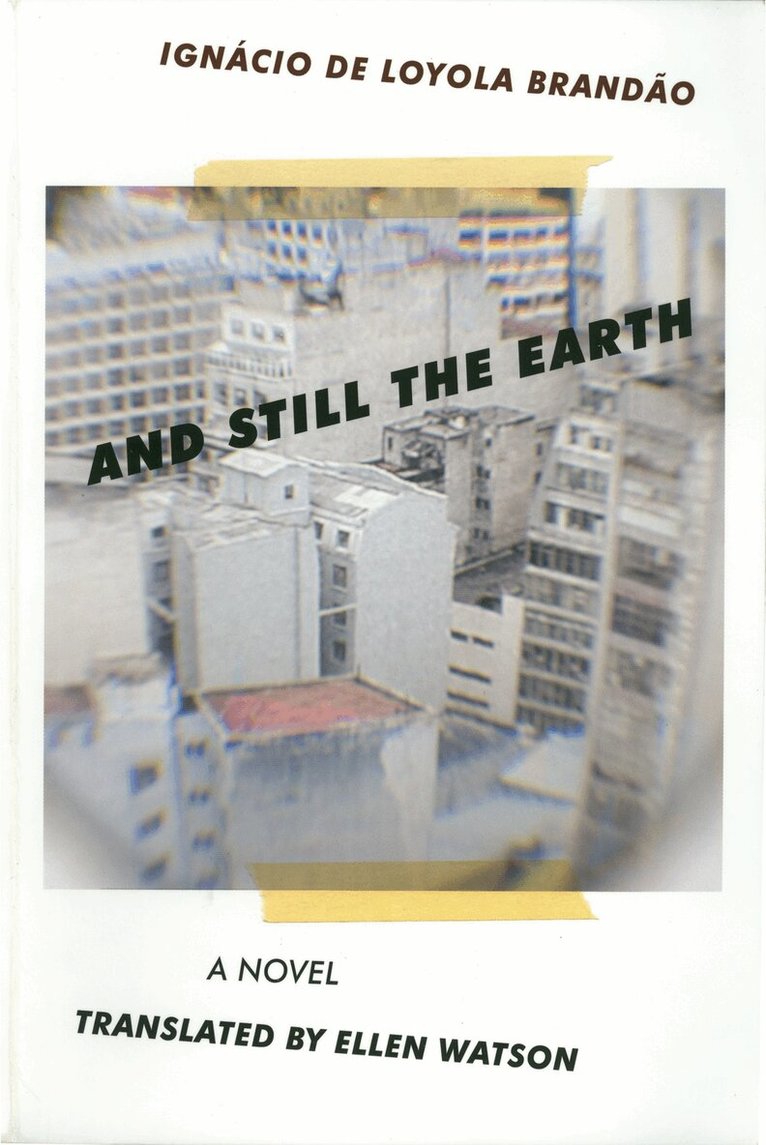
Welcome to São Paulo, Brazil, in the not too distant future. Water is scarce, garbage clogs the city, movement is restricted, and the System—sinister, omnipotent, secret—rules its subjects'' every moment and thought. Here, middle-aged Souza lives a meaningless life in a world where the future is doomed and all memory of the past is forbidden. A classic novel of "dystopia," looking back to Orwell''s 1984 and forward to Terry Gilliam''s Brazil, And Still the Earth stands with Loyola Brandão''s Zero as one of the author''s greatest, and darkest, achievements.
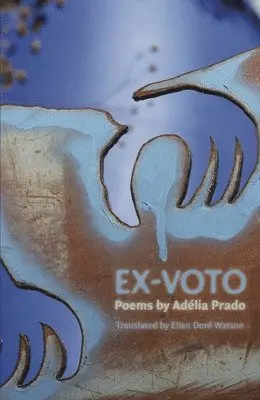
“Adélia Prado’s most recent collection of poems, once more in Ellen Doré Watson’s superbly energetic and natural English, is nothing like any poetry I know in our present moment. Her humor, her dancing solidity, her joy in being alive — I think back to Chaucer, and the poems of Grace Paley. Prado is similarly voluble, playful, down to earth, and cheerful; and she seems to have an uncannily easy-going, even merry relationship with God and all his family. She has given us a perfectly crystalline ex-voto.”—Jean Valentine. Ex-Voto is the second collection of Prado’s poetry translated by Ellen Doré Watson. Their previous collaborative volume, The Alphabet in the Park: Selected Poems (Wesleyan University Press, 1990), was abundantly praised: “The life captured in Prado’s poems is convulsive: from a dark corner of despair she can rocket to pure joy in one line… This is poetry at its hottest and most naked…”—James Tate
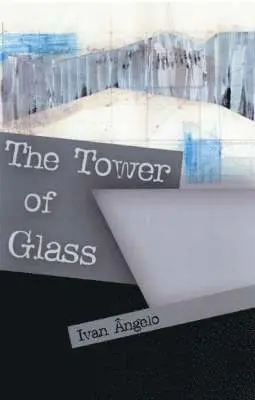
The five interlocking stories in The Tower Of Glass create a singular, powerful account of a nation in turmoil - and a prophetic warning about an oppressive government's need to control not just the society but the mind. Through symbolism, wry humour, and outrageous sexual frankness, Ivan Angelo tells of businessmen and whores, poor working people and Death Squads, truth and illusion, and methods of political manipulation and terror. From the gritty, bawdy story of "Bete the Streetwalker" to the Kafkaesque portrait of a prison made of glass, the fictional pieces demonstrate Angelo's masterful wordplay, and his ability to take formal and structural risks without a false step.
Welcome to Sao Paulo, Brazil, in the not too distant future. Water is scarce, garbage clogs the city, movement is restricted, and the System--sinister, omnipotent, secret--rules its subjects' every moment and thought. Here, middle-aged Souza lives a meaningless life in a world where hope is a lie and all memory of the past is forbidden. A classic novel of "dystopia," looking back to Orwell's "1984" and forward to Terry Gilliam's "Brazil," "And Still the Earth" stands with Loyola Brandao's "Zero" as one of the author's greatest, and darkest, achievements.