2 905 kr
Skickas inom 10-15 vardagar
2 905 kr
Skickas inom 10-15 vardagar
870 kr
Läs direkt efter köp
The facetie, as a literary form, has an ancient lineage, while, if we regard it merely as a humorous tale or jocular anecdote, its history must be almost as old as the first laughs and smiles of prehistoric man. To go back no further, we may trace it in a direct line through Latin literature, to the Greek apopthegm. Facetiae, in the literary sense, are also to be found in Oriental literature, espeically the Persian and the Arabian.
The Greek apopthegm and its Roman successor had a different character from the Florentine facetia, but the difference is one rather of matter than form. The ribald, licentious note is not so common in the classic facetaie, and the historical anecdotes treating of kings, princes, and persons of high estate were mostly reverent and often adulatory. Satire and disrespect appeared in the humorous tales of Poggio and his peers. The apopthegm was, as a rule, a brief narrative, as often as not enclosing a moral lesson in an historical anecdote. Or else it was the saying of some wise or great man.
876 kr
Läs direkt efter köp
The facetie, as a literary form, has an ancient lineage, while, if we regard it merely as a humorous tale or jocular anecdote, its history must be almost as old as the first laughs and smiles of prehistoric man. To go back no further, we may trace it in a direct line through Latin literature, to the Greek apopthegm. Facetiae, in the literary sense, are also to be found in Oriental literature, espeically the Persian and the Arabian.
The Greek apopthegm and its Roman successor had a different character from the Florentine facetia, but the difference is one rather of matter than form. The ribald, licentious note is not so common in the classic facetaie, and the historical anecdotes treating of kings, princes, and persons of high estate were mostly reverent and often adulatory. Satire and disrespect appeared in the humorous tales of Poggio and his peers. The apopthegm was, as a rule, a brief narrative, as often as not enclosing a moral lesson in an historical anecdote. Or else it was the saying of some wise or great man.
147 kr
Skickas inom 7-10 vardagar
197 kr
Skickas inom 3-6 vardagar
263 kr
Skickas inom 3-6 vardagar
391 kr
Skickas inom 7-10 vardagar
180 kr
Skickas inom 7-10 vardagar
25 kr
Läs direkt efter köp
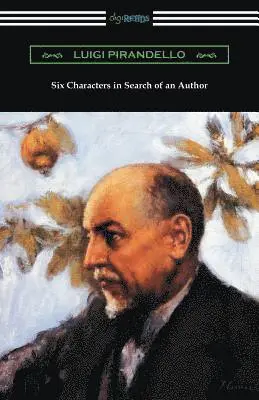
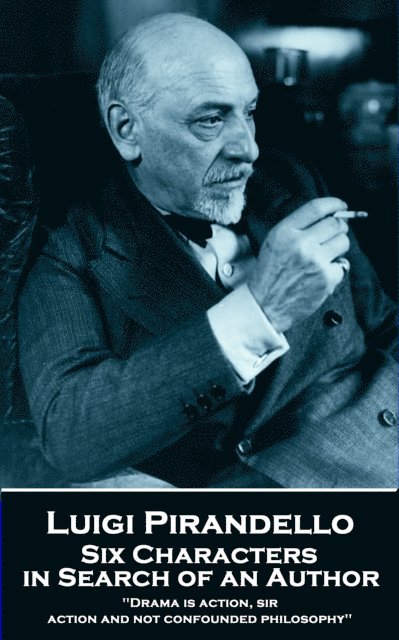
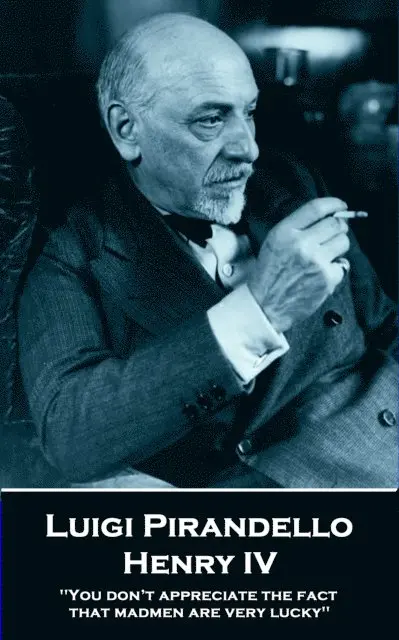
Luigi Pirandello was born on 28th June 1867 into an upper-class family in a small village in Sicily.
In 1880, the family moved to Palermo and there he completed high school. He then registered at the University of Palermo, at that time the centre of what became the Fasci Siciliani movement. Although not an active member Pirandello had close friendships with many of its leading ideologists. Pirandello then completed his university studies in Rome and Bonn, receiving his Doctorate in March, 1891.
His time in Rome had provided him with the opportunity to visit its many theatres. "Oh the dramatic theatre! I will conquer it. I cannot enter into one without experiencing a strange sensation, an excitement of the blood through all my veins..."
1894 brought marriage, at his father''s suggestion, to a shy, withdrawn girl: Mara Antonietta Portulano.The marriage encouraged his studies and writings and produced three children. In 1895, the first part of the ‘Dialoghi tra Il Gran Me e Il Piccolo Me’ was published.
In 1903 the flooding of the sulphur mines in which his father had invested the family capital and Antonietta''s dowry, brought financial catastrophe. Antonietta on hearing the news had her mental balance profoundly and irremediably shaken. While watching over his mentally ill wife at night (after the day spent at work) he wrote ‘Il Fu Mattia Pascal’ (The Late Mattia Pascal). It was an immediate and resounding success.
In 1909, Pirandello began his collaboration with the prestigious Corriere della Sera. Whilst his fame as a writer was increasing his private life was poisoned by the suspicion and jealousy of Antonietta who now turned physically violent.
By 1917 his theatrical works were beginning to take centre stage: ‘Così è (se vi pare)’ (Right you are (if you think so)) and ‘Il Piacere dell''onestà’ (The Pleasure Of Honesty).
In 1919 Pirandello had Antonietta placed in an asylum. She never left the asylum.
In 1921, in Rome his play, ‘Sei personaggi in cerca d''autore’, (Six Characters in Search of an Author) was staged. It was a failure. However, when presented in Milan it was a great success. Pirandello''s international reputation was set when it was performed in London and New York.
In 1925, Pirandello, with Mussolini’s help, assumed the artistic direction and ownership of the Teatro d''Arte di Roma. He now described himself both as ‘a Fascist because I am Italian’ and ‘I''m apolitical, I''m only a man in the world...’ He later had several conflicts with fascist leaders and would fall under close surveillance by the secret fascist police OVRA.
In 1934 he won the Nobel Prize but asked that medal be melted down for Italy’s occupation of Abyssinia Campaign to which he had given his support.
Pirandello''s canon stretches across novels, hundreds of short stories, poetry volumes, essays and some 40 plays. His tragic farces are often cited as forerunners of the Theatre of the Absurd.
Luigi Pirandello died on 10th December 1936 at his home at Via Bosio, Rome, Italy.

26 kr
Läs direkt efter köp
Luigi Pirandello was born on 28th June 1867 into an upper-class family in a small village in Sicily.
In 1880, the family moved to Palermo and there he completed high school. He then registered at the University of Palermo, at that time the centre of what became the Fasci Siciliani movement. Although not an active member Pirandello had close friendships with many of its leading ideologists. Pirandello then completed his university studies in Rome and Bonn, receiving his Doctorate in March, 1891.
His time in Rome had provided him with the opportunity to visit its many theatres. "Oh the dramatic theatre! I will conquer it. I cannot enter into one without experiencing a strange sensation, an excitement of the blood through all my veins..."
1894 brought marriage, at his father''s suggestion, to a shy, withdrawn girl: Mara Antonietta Portulano.The marriage encouraged his studies and writings and produced three children. In 1895, the first part of the ‘Dialoghi tra Il Gran Me e Il Piccolo Me’ was published.
In 1903 the flooding of the sulphur mines in which his father had invested the family capital and Antonietta''s dowry, brought financial catastrophe. Antonietta on hearing the news had her mental balance profoundly and irremediably shaken. While watching over his mentally ill wife at night (after the day spent at work) he wrote ‘Il Fu Mattia Pascal’ (The Late Mattia Pascal). It was an immediate and resounding success.
In 1909, Pirandello began his collaboration with the prestigious Corriere della Sera. Whilst his fame as a writer was increasing his private life was poisoned by the suspicion and jealousy of Antonietta who now turned physically violent.
By 1917 his theatrical works were beginning to take centre stage: ‘Così è (se vi pare)’ (Right you are (if you think so)) and ‘Il Piacere dell''onestà’ (The Pleasure Of Honesty).
In 1919 Pirandello had Antonietta placed in an asylum. She never left the asylum.
In 1921, in Rome his play, ‘Sei personaggi in cerca d''autore’, (Six Characters in Search of an Author) was staged. It was a failure. However, when presented in Milan it was a great success. Pirandello''s international reputation was set when it was performed in London and New York.
In 1925, Pirandello, with Mussolini’s help, assumed the artistic direction and ownership of the Teatro d''Arte di Roma. He now described himself both as ‘a Fascist because I am Italian’ and ‘I''m apolitical, I''m only a man in the world...’ He later had several conflicts with fascist leaders and would fall under close surveillance by the secret fascist police OVRA.
In 1934 he won the Nobel Prize but asked that medal be melted down for Italy’s occupation of Abyssinia Campaign to which he had given his support.
Pirandello''s canon stretches across novels, hundreds of short stories, poetry volumes, essays and some 40 plays. His tragic farces are often cited as forerunners of the Theatre of the Absurd.
Luigi Pirandello died on 10th December 1936 at his home at Via Bosio, Rome, Italy.
335 kr
Skickas inom 7-10 vardagar
102 kr
Läs direkt efter köp
"Six Characters in Search of an Author (Sei personaggi in cerca d''autore)" stands as a cornerstone of Italian dramatist Luigi Pirandello''s oeuvre, penned in 1921. This seminal work of absurdist theatre presents a mesmerizing play within a play, unfolding amidst a rehearsal disrupted by the uninvited arrival of six enigmatic characters. These spectral figures, claiming to be incomplete creations abandoned by their author, emerge seeking a resolution to their untold tales. Their insistence on finding someone to bring closure to their narrative propels the drama into a riveting exploration of identity, the dichotomy between reality and illusion, and the essence of art and existence itself.
Through Pirandello''s masterful narrative craftsmanship and profound philosophical musings, audiences are thrust into a realm where the boundaries between fiction and reality blur. "Six Characters in Search of an Author" challenges conventional theatrical norms, inviting spectators to confront the existential quandaries embedded within the human condition. As a cornerstone of the Encyclopaedia Britannica''s Great Books of the Western World set, this timeless piece continues to captivate and provoke contemplation among readers and theatergoers alike.
738 kr
Tillfälligt slut