
Häftad, Engelska, 2023
520 kr
Skickas inom 7-10 vardagar
520 kr
Skickas inom 7-10 vardagar
2 914 kr
Skickas inom 10-15 vardagar
887 kr
Skickas inom 10-15 vardagar
464 kr
Läs direkt efter köp
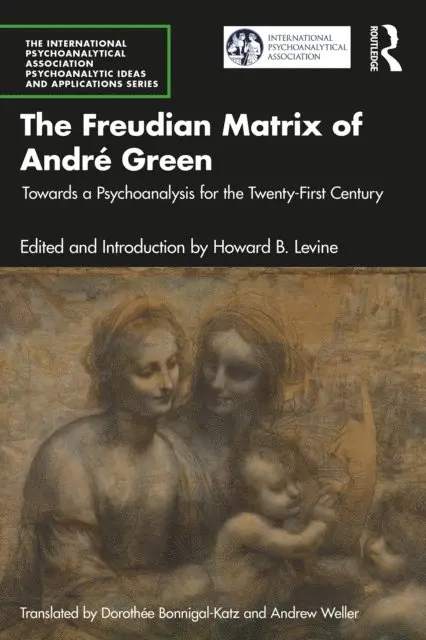
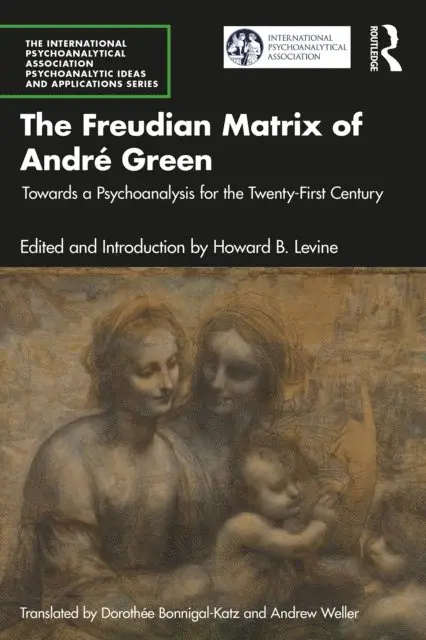
The Freudian Matrix of André Green presents seven papers, never previously published in English, that will allow readers to more closely follow and more fully understand the development of Green’s unique psychoanalytic thinking.
The chapters in this book provide valuable insight into Green’s response to a perceived crisis in psychoanalysis. His thinking synthesizes the work of Lacan, Winnicott, Bion and other post-Freudian authors with his own extensive clinical experience, and results in a much needed extension of psychoanalytic theory and practice to non-neurotic patients. Green’s focus on drives, affect and the work of the negative and his introduction and exploration of the Dead Mother complex, narcissism, negative hallucination and the death instinct constitute a vital expansion of Freudian metapsychology and its application to the clinical setting.
The Freudian Matrix of André Green will be essential reading for psychoanalysts in practice and in training, and for any reader looking to understand more about the enormity of his contribution.
461 kr
Läs direkt efter köp
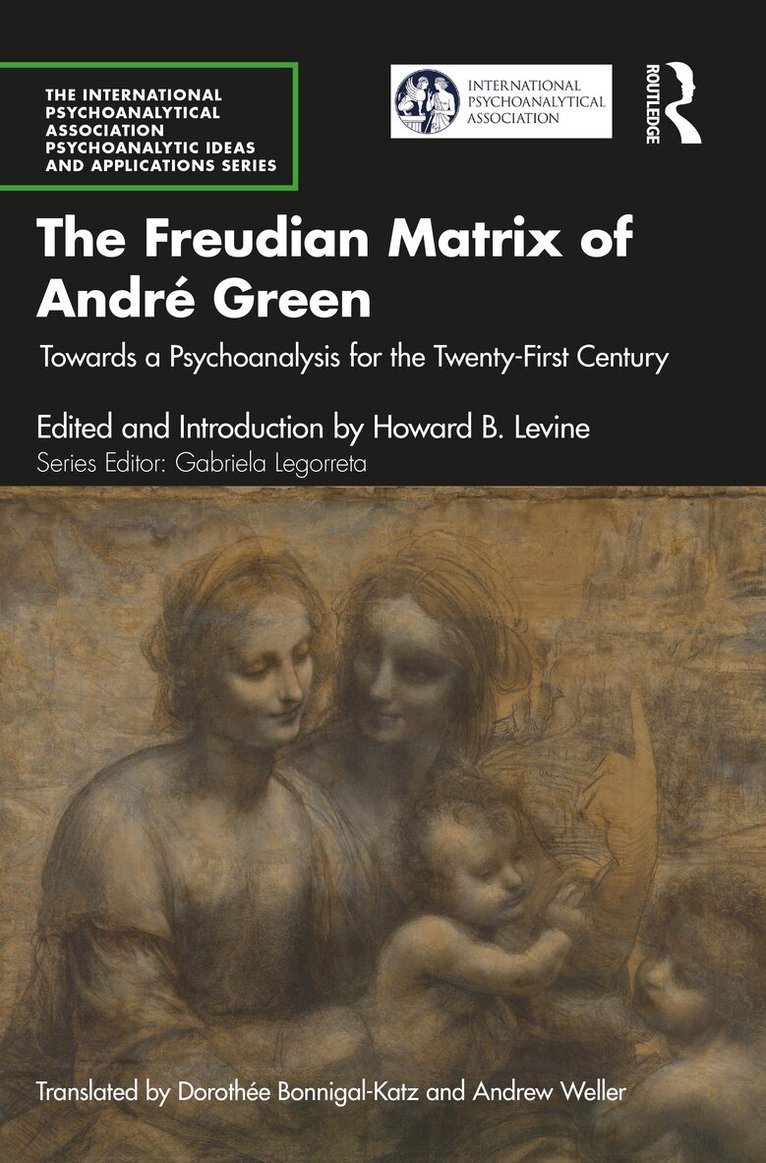
The Freudian Matrix of André Green presents seven papers, never previously published in English, that will allow readers to more closely follow and more fully understand the development of Green’s unique psychoanalytic thinking.
The chapters in this book provide valuable insight into Green’s response to a perceived crisis in psychoanalysis. His thinking synthesizes the work of Lacan, Winnicott, Bion and other post-Freudian authors with his own extensive clinical experience, and results in a much needed extension of psychoanalytic theory and practice to non-neurotic patients. Green’s focus on drives, affect and the work of the negative and his introduction and exploration of the Dead Mother complex, narcissism, negative hallucination and the death instinct constitute a vital expansion of Freudian metapsychology and its application to the clinical setting.
The Freudian Matrix of André Green will be essential reading for psychoanalysts in practice and in training, and for any reader looking to understand more about the enormity of his contribution.
506 kr
Skickas inom 10-15 vardagar

2 216 kr
Skickas inom 10-15 vardagar
1 013 kr
Läs direkt efter köp
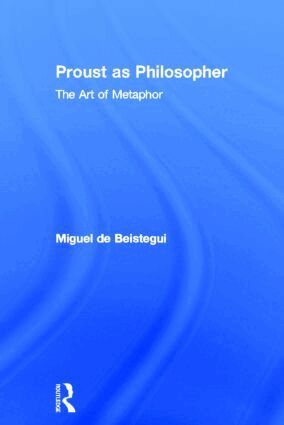
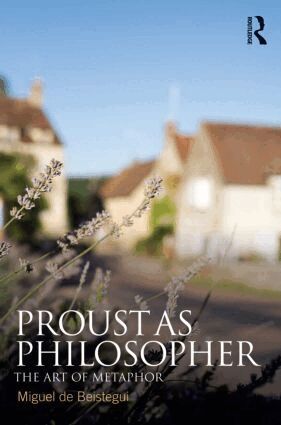
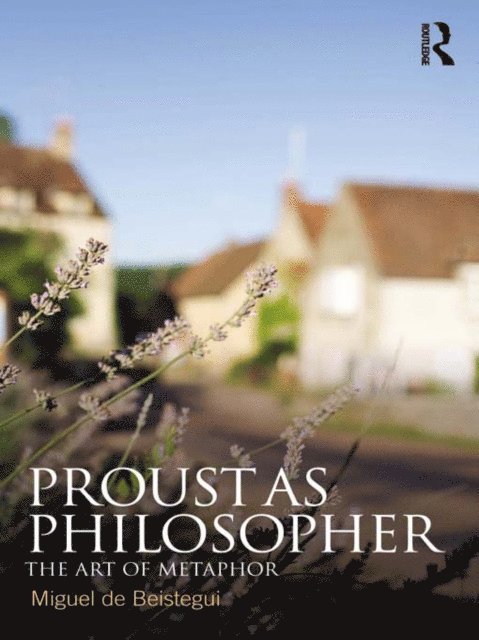
Marcel Proust’s In Search of Lost Time has long fascinated philosophers for its complex accounts of time, personal identity and narrative, amongst many other themes. Proust as Philosopher: The Art of Metaphor is the first book to try and connect Proust’s implicit ontology of experience with the question of style, and of metaphor in particular.
Miguel de Beistegui begins with an observation: throughout In Search of Lost Time, the two main characters seem prone to chronic dissatisfaction in matters of love, friendship and even art. Reality always falls short of expectation. At the same time, the narrator experiences unexpected bouts of intense elation, the cause and meaning of which remain elusive. Beistegui argues we should understand these experiences as acts of artistic creation, and that this is why Proust himself wrote that true life is the life of art.
He goes on to explore the nature of these joyful and pleasurable experiences and the transformation required of art, and particularly literature, if it is to incorporate them. He concludes that Proust revolutionises the idea of metaphor, extending beyond the confines of language to understand the nature of lived, bodily experience.
1 028 kr
Läs direkt efter köp
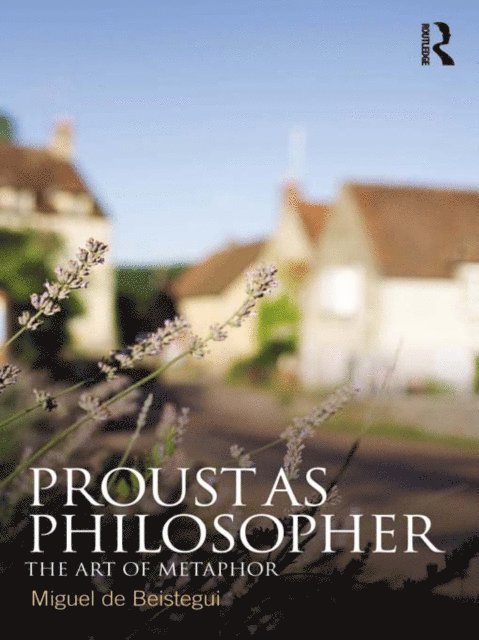
Marcel Proust’s In Search of Lost Time has long fascinated philosophers for its complex accounts of time, personal identity and narrative, amongst many other themes. Proust as Philosopher: The Art of Metaphor is the first book to try and connect Proust’s implicit ontology of experience with the question of style, and of metaphor in particular.
Miguel de Beistegui begins with an observation: throughout In Search of Lost Time, the two main characters seem prone to chronic dissatisfaction in matters of love, friendship and even art. Reality always falls short of expectation. At the same time, the narrator experiences unexpected bouts of intense elation, the cause and meaning of which remain elusive. Beistegui argues we should understand these experiences as acts of artistic creation, and that this is why Proust himself wrote that true life is the life of art.
He goes on to explore the nature of these joyful and pleasurable experiences and the transformation required of art, and particularly literature, if it is to incorporate them. He concludes that Proust revolutionises the idea of metaphor, extending beyond the confines of language to understand the nature of lived, bodily experience.