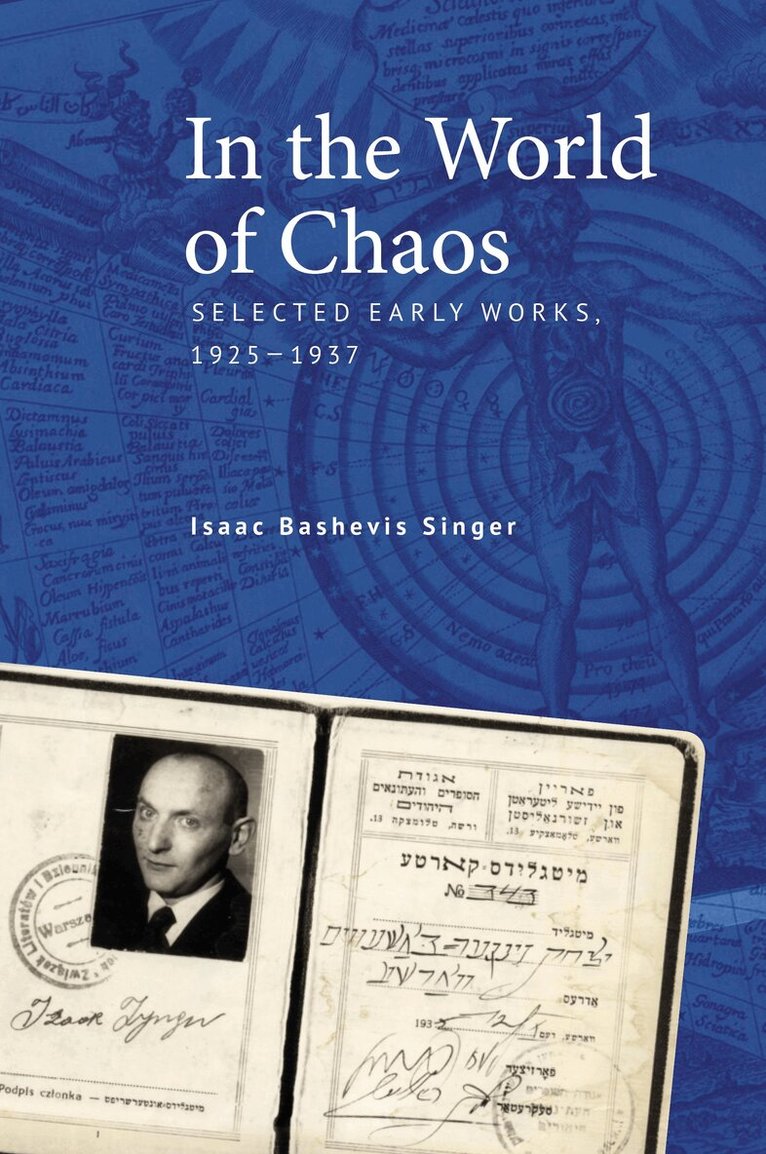
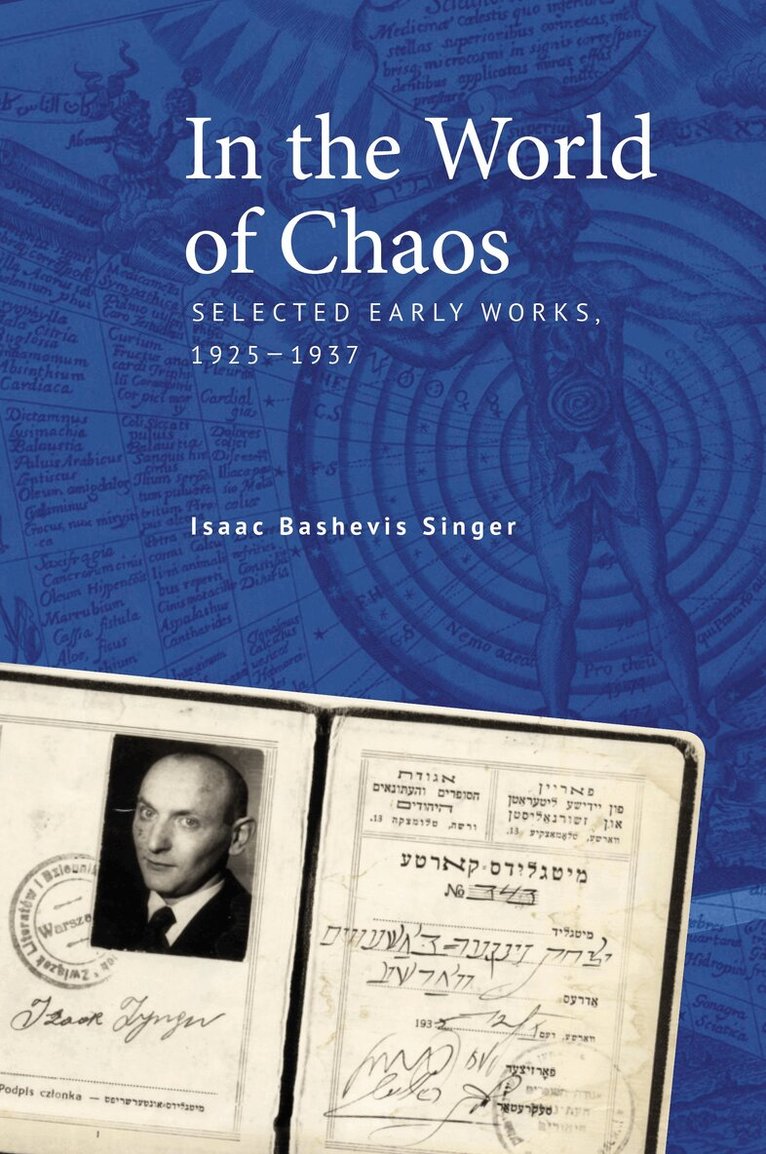
A complete picture of Isaac Bashevis Singer’s literary heritage.This volume brings together a rich collection of Isaac Bashevis Singer’s early work, including 27 short stories, 7 sketches of early fiction, as well as critical essays, childhood memoirs, and interviews.Singer’s early literary career in Warsaw (1925–1935) was crucial in laying the foundations for his later achievements in Jewish and world literature as a storyteller of Polish Jewry. During this period, he worked as a journalist, writer, and translator in the leading Yiddish cultural center of Eastern Europe. However, much of this work has remained unavailable in English translation.This volume makes a significant portion of Singer’s early fiction and non-fiction accessible in English for the first time, opening it up to scholars, students, and general readers alike.
This volume includes a collection of Isaac Bashevis Singer’s early work, including 27 short stories, 7 sketches of early fiction, and a range of critical essays, childhood memoirs, and interviews.Singer’s early literary career in Warsaw (1925-1935) was crucially important in laying the building blocks for his great achievements in Jewish and world literature as a storyteller of Polish Jewry. During this period, Singer worked as a journalist, writer and translator in the main Yiddish center in Eastern Europe. However, much of this work remains unavailable in English-language translation. This volume makes part of Singer’s early fiction and non-fiction available for scholarship, teaching, and a general readership for the first time.
A complete picture of Isaac Bashevis Singers literary heritage.This volume brings together a rich collection of Isaac Bashevis Singers early work, including 27 short stories, 7 sketches of early fiction, as well as critical essays, childhood memoirs, and interviews.Singers early literary career in Warsaw (19251935) was crucial in laying the foundations for his later achievements in Jewish and world literature as a storyteller of Polish Jewry. During this period, he worked as a journalist, writer, and translator in the leading Yiddish cultural center of Eastern Europe. However, much of this work has remained unavailable in English translation.This volume makes a significant portion of Singers early fiction and non-fiction accessible in English for the first time, opening it up to scholars, students, and general readers alike.
Between 1946 and 1955 Isaac Bashevis Singer underwent a total transformation. During the post-Holocaust period Singer reappraised everything he knew, questioned all his assumptions, and rebuilt his artistic vision. This transformation would soon become evident in his literary fiction, but it was also laid out for readers in essays that appeared in the pages of the Yiddish daily Forverts. Sitting in New York, with the Cold War and McCarthyism gripping American hearts and minds, Singer dove deep into his cultural and spiritual heritage to turn the moral and social principles of the past into workable tools that could build a viable Jewish future. Some of the issues that Singer raises in this collection are not only prescient— they are more urgent in our day than they were in his. Throughout, Singer reminds us that the human spirit is our greatest treasure and that we are each personally responsible for its safekeeping.
Between 1946 and 1955 Isaac Bashevis Singer underwent a total transformation. During the post-Holocaust period Singer reappraised everything he knew, questioned all his assumptions, and rebuilt his artistic vision. This transformation would soon become evident in his literary fiction, but it was also laid out for readers in essays that appeared in the pages of the Yiddish daily Forverts. Sitting in New York, with the Cold War and McCarthyism gripping American hearts and minds, Singer dove deep into his cultural and spiritual heritage to turn the moral and social principles of the past into workable tools that could build a viable Jewish future. Some of the issues that Singer raises in this collection are not only prescient— they are more urgent in our day than they were in his. Throughout, Singer reminds us that the human spirit is our greatest treasure and that we are each personally responsible for its safekeeping.
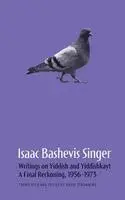
From the late 1950s, as Isaac Bashevis Singer became a major figure in American letters one of the first Yiddish authors to do so the future Nobel Laureate thought deeply about the fate of Yiddish culture in posterity. In this provocative series of essays, he advocates for Yiddish as a unique symbol of spiritual power in the face of adversity, a symbol forged during centuries of Jewish exile. Diaspora assimilation may continue apace, while a Hebrew-speaking homeland grows in population, and yet Yiddish remains inseparable from Jewishness because, Singer writes, what Yiddish has created can never be lost. In a lucid translation by David Stromberg, who also provides thoughtful introductions to each piece, Singer s prose is captured in all its persuasive verve and precision. From his central theme of Yiddish as the animating pulse of Jewish life, Singer shines a light on the gravest threats to wider civilized society. A fiery love letter to Yiddish, alive with psychological nuance and startling insight, this volume confirms Singer as not only a profound philosopher of human nature, but a social critic for the ages.