151 kr
Skickas
151 kr
Skickas
513 kr
Skickas
216 kr
Skickas inom 7-10 vardagar
758 kr
Skickas inom 3-6 vardagar
480 kr
Skickas inom 7-10 vardagar
170 kr
Läs direkt efter köp
313 kr
Läs direkt efter köp
634 kr
Skickas inom 7-10 vardagar
245 kr
Läs direkt efter köp
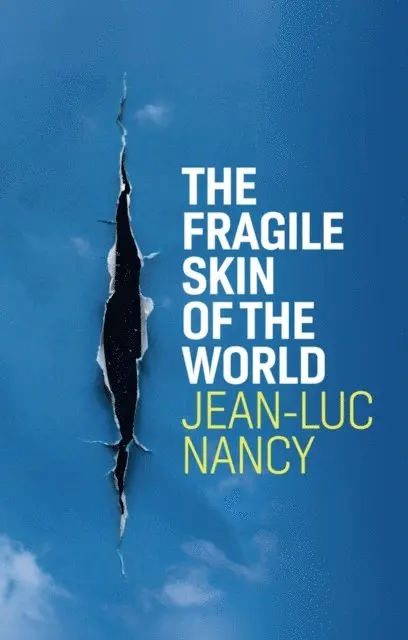
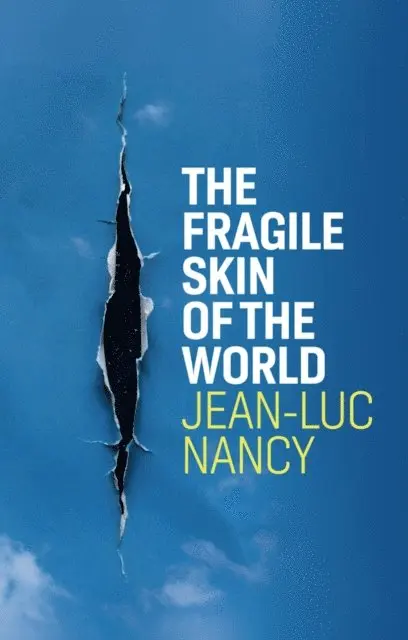
Certain philosophers of Antiquity compared the world to a large animal; but if the world were an animal, it would have a skin similar to the skin that envelops each living being and gives it unity. The world is neither an animal nor a machine but an interminable jumble whose destination is nothing other than the maelstrom in which the very idea of the world slips away. The world has no skin other than the turbulence that makes histories, customs, moments of grandeur and decadence. Because it is not a skin, this extension of space-time is much more fragile than the skins that are already always fragile, because everything here touches its extremities.
The world is everything that passes between us – ourselves and everything that happens to us, everything that becomes of our contacts, our gazes, our movements; and through referrals from skin to skin, from the fleeting to the immemorial, you reach, without even knowing it, the entire actuality of the world: the act of its existence. This act is made up of works and disasters, splendours, horrors, and catastrophes. As long as it is ours, it is the act of an infinite emergence that is all the sense there is: a sense that incessantly goes from skin to skin and is itself never enveloped by anything.
The texts in this volume are all oriented by the concern for what is currently happening to us – we, late humanoids – when we arrive at an extremity of our history, whether this extremity should turn out to be a stage, a rupture, or quite simply a last breath.
99 kr
Skickas
163 kr
Läs direkt efter köp
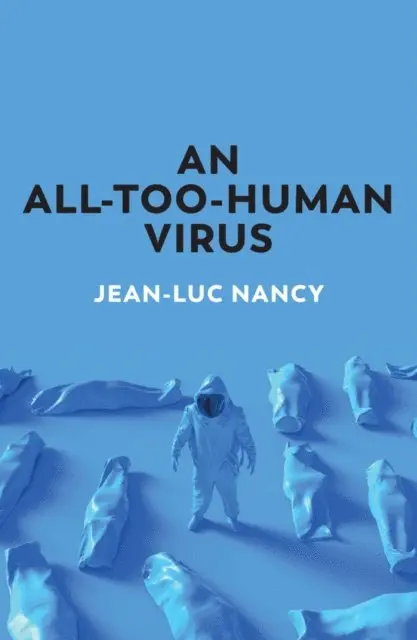
In the past, pandemics were considered divine punishment, but we now understand the biological characteristics of viruses and we know they are spread through social interaction. What used to be divine has become human – all too human, as Nietzsche would say.
But while the virus dispels the divine, we are discovering that living beings are more complex and harder to define than we had previously imagined, and also that political power is more complex than we may have thought. And this, argues Nancy, helps us to see why the term ‘biopolitics’ fails to grasp the conditions in which we now find ourselves. Life and politics challenge us together. Our scientific knowledge tells us that we are dependent only on our own technical power, but can we rely on technologies when knowledge itself includes uncertainties? If this is the case for technical power, it is much more so for political power, even when it presents itself as guided by objective data.
The virus is a magnifying glass that reveals the contradictions, limitations and frailties of the human condition, calling into question as never before our stubborn belief in progress and our hubristic sense of our own indestructibility as a species.
734 kr
Läs direkt efter köp
Certain philosophers of Antiquity compared the world to a large animal; but if the world were an animal, it would have a skin similar to the skin that envelops each living being and gives it unity. The world is neither an animal nor a machine but an interminable jumble whose destination is nothing other than the maelstrom in which the very idea of the world slips away. The world has no skin other than the turbulence that makes histories, customs, moments of grandeur and decadence. Because it is not a skin, this extension of space-time is much more fragile than the skins that are already always fragile, because everything here touches its extremities.
The world is everything that passes between us – ourselves and everything that happens to us, everything that becomes of our contacts, our gazes, our movements; and through referrals from skin to skin, from the fleeting to the immemorial, you reach, without even knowing it, the entire actuality of the world: the act of its existence. This act is made up of works and disasters, splendours, horrors, and catastrophes. As long as it is ours, it is the act of an infinite emergence that is all the sense there is: a sense that incessantly goes from skin to skin and is itself never enveloped by anything.
The texts in this volume are all oriented by the concern for what is currently happening to us – we, late humanoids – when we arrive at an extremity of our history, whether this extremity should turn out to be a stage, a rupture, or quite simply a last breath.
741 kr
Skickas inom 7-10 vardagar
260 kr
Skickas inom 7-10 vardagar
294 kr
Läs direkt efter köp
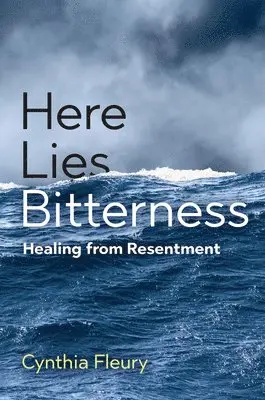
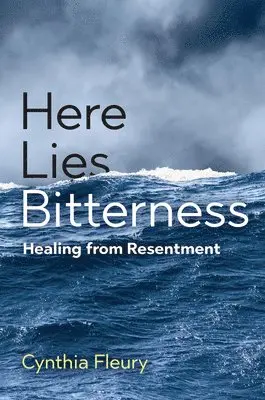
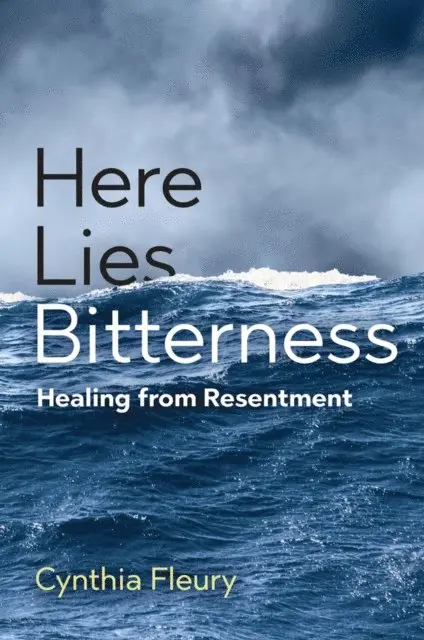
The greatest threat to modern democracy comes from within and it has a name: resentment. Stemming from feelings of inferiority in relation to others, resentment is a diffuse and obsessive loathing, coupled with delusions of victimhood, which clouds one’s judgment and perspective, so that an individual’s capacity to act and heal is paralyzed. Without the ability to heal, resentment can give rise to violent impulses, to the rejection of the rule of law, the proliferation of conspiracy theories, and the urge to use violent means to try to regain control of one’s life.
As individuals and as societies, we face the same challenge: how to diagnose resentment and its dark forces, and how to resist the temptation to allow it to become the motor of our individual and collective histories.
This bestselling and highly original account of the psychic forces shaping modern societies will be of great interest to anyone concerned about the crisis of democracy today and what we can do to address it.
117 kr
Skickas inom 7-10 vardagar
212 kr
Läs direkt efter köp
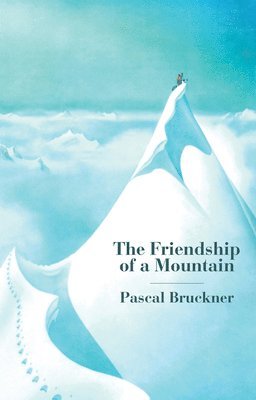
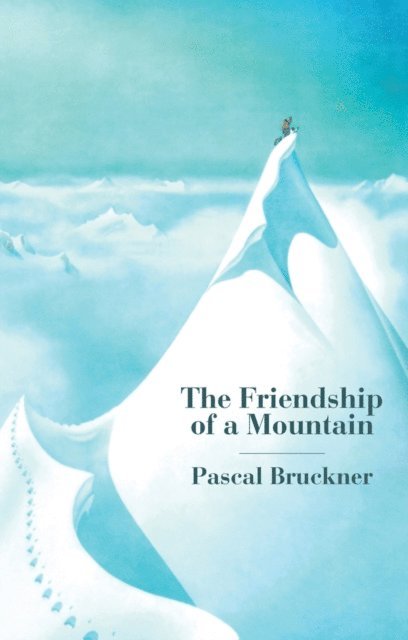
Why are we fascinated by mountains? These outcrops of rock were once considered unsightly, something to be avoided at all costs, but, since Rousseau, they have been contrasted with our corrupt cities and viewed as serene enclaves of beauty and relaxation.
But why climb to the summit only to come back down again? Why does the toil of climbing convert into joy? What metaphysics of the absolute is playing out here – what challenge does climbing pose to time and ageing, to fearful panic, to the brush with danger which leads to conquest? It’s not faith that elevates mountains – it’s mountains that elevate our faith in challenging us to overcome them. These hooded majesties crush some people while exalting others. For the latter, climbing means being born again, reaching a state of exhilaration. Being seized by exhaustion upon arriving at the summit is akin to casting your eyes upon paradise. Is it the stinging cold, the wind so strong that it almost knocks you down, or is it higher powers that speak to us in this mixture of terror and beauty?
A child of the mountains who spent his youth in Austria and Switzerland, Pascal Bruckner has special ties to the subject of this book: the further he climbs, the more he reconnects to his past. In sparkling and sensual prose, Bruckner’s paean to the majesty of mountains weaves together things seen and things read, childhood memories, literature and philosophy, interlaced with reflections on life, ageing and the unrivalled beauty of an ecosystem that we are in danger of destroying.
117 kr
Skickas inom 7-10 vardagar
211 kr
Läs direkt efter köp
189 kr
Skickas inom 7-10 vardagar
316 kr
Läs direkt efter köp
356 kr
Skickas inom 7-10 vardagar
405 kr
Läs direkt efter köp
1 216 kr
Skickas inom 7-10 vardagar
321 kr
Skickas
118 kr
Skickas