254 kr
Skickas
254 kr
Skickas
860 kr
Läs direkt efter köp
456 kr
Skickas inom 3-6 vardagar
471 kr
Skickas inom 3-6 vardagar
328 kr
Skickas inom 3-6 vardagar
330 kr
Skickas inom 7-10 vardagar
40 kr
Läs direkt efter köp
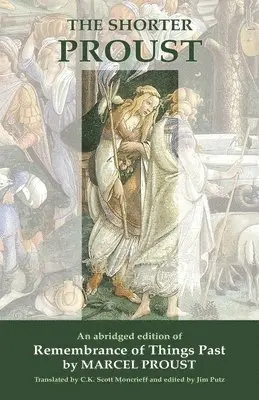
Valentin Louis Georges Eugène Marcel Proust was born on July 10th 1871 in the district of Auteuil in Paris, two months after the formal end of the Franco-Prussian War.
Proust was brought up in his father''s Catholic faith and baptised on 5th August 1871, at the church of Saint-Louis d''Antin.
Attacks of asthma from childhood resulted in poor health and together with a lack of drive and self-disclipine meant his progress to the status of literary giant was halting and only really achieved in middle-age.
His early work was for magazines and translations of his beloved John Ruskin. An inheritance from his mother gave him both the time and money to finally engage his prodigious talents.
Proust began to shape a novel centered on a first-person narrator who, unable to sleep, spends his nights remembering hours waiting as a child for his mother to return to him in the morning. Publishers were not as keen on the work as Proust imagined they should be.
It needed a re-think. The culmination of that was to become a literary event.
To move forward he retained many of the themes and started over on what was now to become ‘À La Recherche du Temps Perdu’. Proust was now 38 years old and despite his lack of major works to date he was undaunted. ‘À la Recherche du Temps Perdu’ (‘In Search of Lost Time’) would eventually consist of seven volumes which would span some 3,200 pages and contain more than 2,000 characters.
Proust spent the last three years of his life mostly confined to his bedroom, sleeping during the day and working at night to complete his novel.
Marcel Proust died on 18th November 1922 of pneumonia and a pulmonary abscess. He was buried in the Père Lachaise Cemetery in Paris.
145 kr
Skickas inom 11-20 vardagar
289 kr
Skickas
19 kr
Läs direkt efter köp
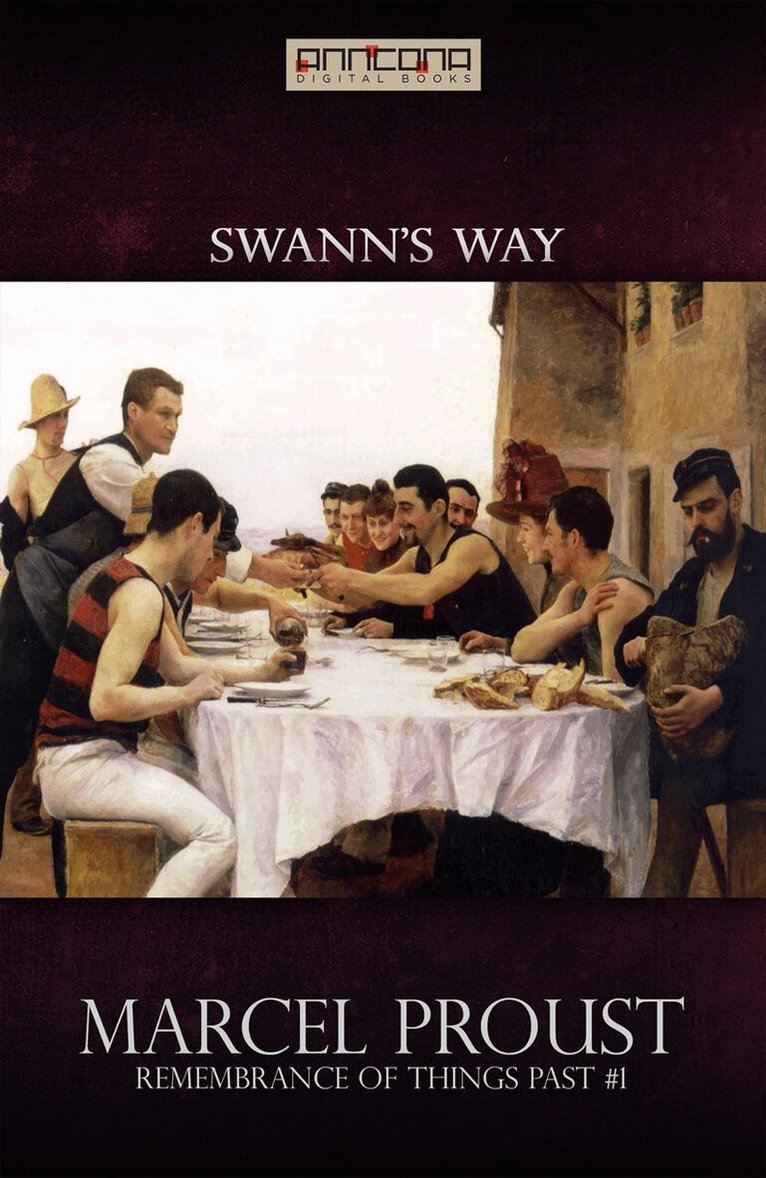
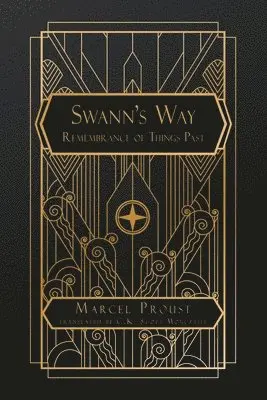
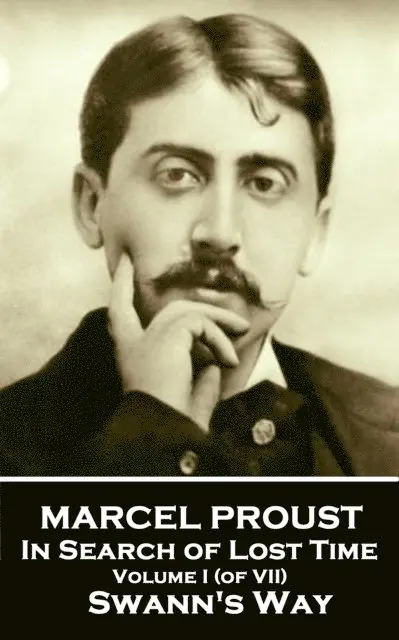
Swann’s Way is the first volume (of 7) in Marcel Proust’s monumental novel À la recherche du temps perdu (Remembrance of Things Past; or In Search of Lost Time) that was published in seven parts between 1913 and 1927. His most prominent work, it is known both for its length and its theme of involuntary memory, the most famous example being the "episode of the madeleine."
Begun in 1909, Remembrance of Things Past consists of seven volumes totaling around 3,200 pages and featuring more than 2,000 characters. Graham Greene called Proust the "greatest novelist of the 20th century", and W. Somerset Maugham called the novel the "greatest fiction to date". Proust died before he was able to complete his revision of the drafts and proofs of the final volumes, the last three of which were published posthumously and edited by his brother, Robert.
Much of Remembrance of Things Past concerns the vast changes, most particularly the decline of the aristocracy and the rise of the middle classes that occurred in France during the Third Republic and the fin de siècle. Fin de siècle is a French term for end of the century, a term that typically encompasses not only the meaning of the similar English idiom turn of the century, but also both the closing and onset of an era, as the end of the 19th century was felt to be a period of degeneration, but at the same time a period of hope for a new beginning.
Remembrance of Things Past is considered the definitive modern novel by many scholars. It has had a profound effect on subsequent writers such as the Bloomsbury Group. "Oh if I could write like that!" marveled Virginia Woolf in 1922. Literary critic Harold Bloom wrote that Remembrance of Things Past is now "widely recognized as the major novel of the twentieth century." Vladimir Nabokov, in a 1965 interview, named the greatest prose works of the 20th century as, in order, "Joyce's Ulysses, Kafka's The Metamorphosis, Bely's Petersburg, and the first half of Proust's fairy tale Remembrance of Things Past." J. Peder Zane's book The Top Ten: Writers Pick Their Favorite Books, collates 125 "top 10 greatest books of all time" lists by prominent living writers; Remembrance of Things Past is placed eighth. Pulitzer Prize-winning author Michael Chabon has called it his favorite book. According to thegreatestbooks.org, a site which uses algorithms to determine the most well-received books, À la recherche du temps perdu is the second-most critically acclaimed work of fiction ever made, losing only to Ulysses.
Remembrance of Things Past was initially published in seven volumes:
Swann's Way (Du côté de chez Swann) (1913)
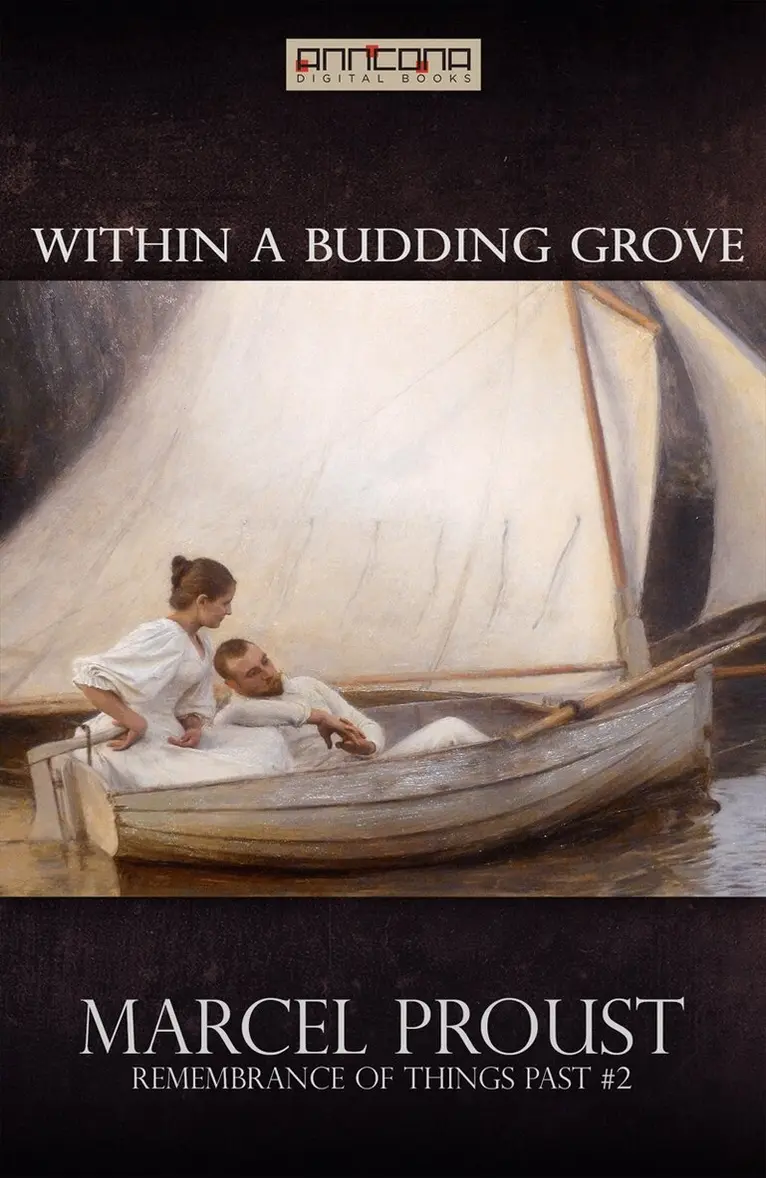
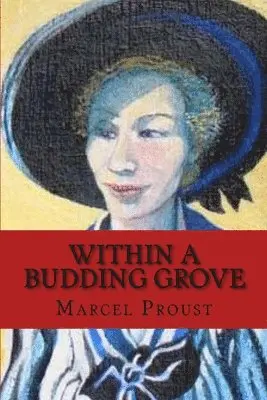
Within a Budding Grove (À l'ombre des jeunes filles en fleurs) (1919)
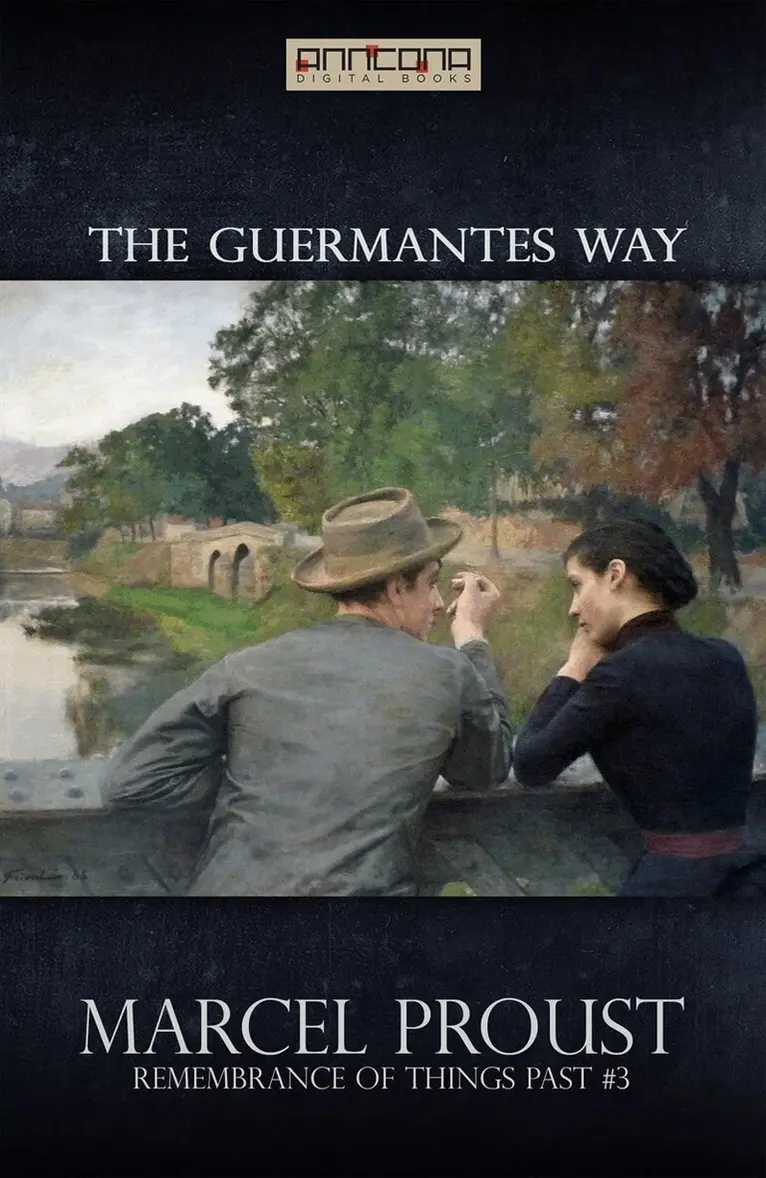
The Guermantes Way (Le Côté de Guermantes) (1920/1921)
Cities of the Plain (Sodome et Gomorrhe) (1921/1922)
The Captive (La Prisonnière) (1923)
The Fugitive (Albertine disparue) (1925)
Time Regained (Le Temps retrouvé) (1927)

19 kr
Läs direkt efter köp
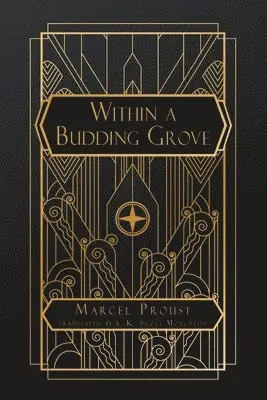
Within a Budding Grove is the second volume (of 7) in Marcel Proust’s monumental novel À la recherche du temps perdu (Remembrance of Things Past; or In Search of Lost Time) that was published in seven parts between 1913 and 1927. His most prominent work, it is known both for its length and its theme of involuntary memory, the most famous example being the "episode of the madeleine."
Begun in 1909, Remembrance of Things Past consists of seven volumes totaling around 3,200 pages and featuring more than 2,000 characters. Graham Greene called Proust the "greatest novelist of the 20th century", and W. Somerset Maugham called the novel the "greatest fiction to date". Proust died before he was able to complete his revision of the drafts and proofs of the final volumes, the last three of which were published posthumously and edited by his brother, Robert.
Much of Remembrance of Things Past concerns the vast changes, most particularly the decline of the aristocracy and the rise of the middle classes that occurred in France during the Third Republic and the fin de siècle. Fin de siècle is a French term for end of the century, a term that typically encompasses not only the meaning of the similar English idiom turn of the century, but also both the closing and onset of an era, as the end of the 19th century was felt to be a period of degeneration, but at the same time a period of hope for a new beginning.
Remembrance of Things Past is considered the definitive modern novel by many scholars. It has had a profound effect on subsequent writers such as the Bloomsbury Group. "Oh if I could write like that!" marveled Virginia Woolf in 1922. Literary critic Harold Bloom wrote that Remembrance of Things Past is now "widely recognized as the major novel of the twentieth century." Vladimir Nabokov, in a 1965 interview, named the greatest prose works of the 20th century as, in order, "Joyce's Ulysses, Kafka's The Metamorphosis, Bely's Petersburg, and the first half of Proust's fairy tale Remembrance of Things Past." J. Peder Zane's book The Top Ten: Writers Pick Their Favorite Books, collates 125 "top 10 greatest books of all time" lists by prominent living writers; Remembrance of Things Past is placed eighth. Pulitzer Prize-winning author Michael Chabon has called it his favorite book. According to thegreatestbooks.org, a site which uses algorithms to determine the most well-received books, À la recherche du temps perdu is the second-most critically acclaimed work of fiction ever made, losing only to Ulysses.
Remembrance of Things Past was initially published in seven volumes:
Swann's Way (Du côté de chez Swann) (1913)
Within a Budding Grove (À l'ombre des jeunes filles en fleurs) (1919)
The Guermantes Way (Le Côté de Guermantes) (1920/1921)
Cities of the Plain (Sodome et Gomorrhe) (1921/1922)
The Captive (La Prisonnière) (1923)
The Fugitive (Albertine disparue) (1925)
Time Regained (Le Temps retrouvé) (1927)
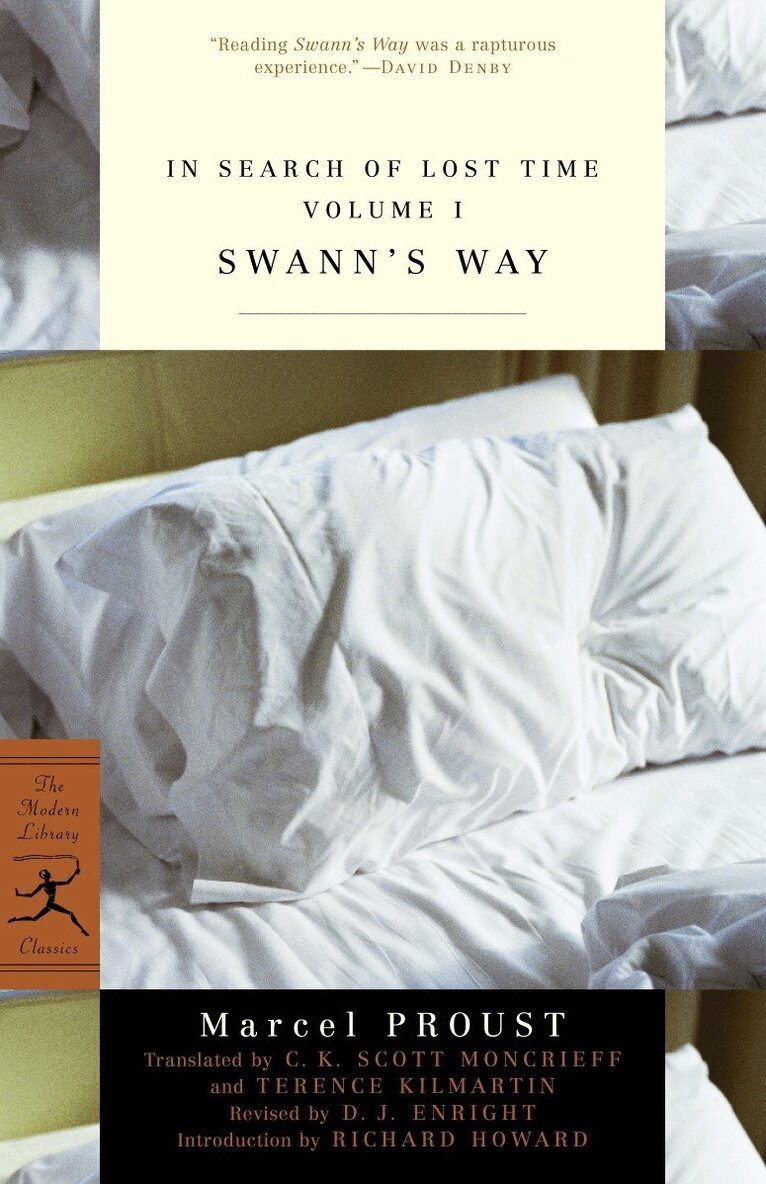
19 kr
Läs direkt efter köp
The Guermantes Way is the third volume (of 7) in Marcel Proust’s monumental novel À la recherche du temps perdu (Remembrance of Things Past; or In Search of Lost Time) that was published in seven parts between 1913 and 1927. His most prominent work, it is known both for its length and its theme of involuntary memory, the most famous example being the "episode of the madeleine."
Begun in 1909, Remembrance of Things Past consists of seven volumes totaling around 3,200 pages and featuring more than 2,000 characters. Graham Greene called Proust the "greatest novelist of the 20th century", and W. Somerset Maugham called the novel the "greatest fiction to date". Proust died before he was able to complete his revision of the drafts and proofs of the final volumes, the last three of which were published posthumously and edited by his brother, Robert.
Much of Remembrance of Things Past concerns the vast changes, most particularly the decline of the aristocracy and the rise of the middle classes that occurred in France during the Third Republic and the fin de siècle. Fin de siècle is a French term for end of the century, a term that typically encompasses not only the meaning of the similar English idiom turn of the century, but also both the closing and onset of an era, as the end of the 19th century was felt to be a period of degeneration, but at the same time a period of hope for a new beginning.
Remembrance of Things Past is considered the definitive modern novel by many scholars. It has had a profound effect on subsequent writers such as the Bloomsbury Group. "Oh if I could write like that!" marveled Virginia Woolf in 1922. Literary critic Harold Bloom wrote that Remembrance of Things Past is now "widely recognized as the major novel of the twentieth century." Vladimir Nabokov, in a 1965 interview, named the greatest prose works of the 20th century as, in order, "Joyce's Ulysses, Kafka's The Metamorphosis, Bely's Petersburg, and the first half of Proust's fairy tale Remembrance of Things Past." J. Peder Zane's book The Top Ten: Writers Pick Their Favorite Books, collates 125 "top 10 greatest books of all time" lists by prominent living writers; Remembrance of Things Past is placed eighth. Pulitzer Prize-winning author Michael Chabon has called it his favorite book. According to thegreatestbooks.org, a site which uses algorithms to determine the most well-received books, À la recherche du temps perdu is the second-most critically acclaimed work of fiction ever made, losing only to Ulysses.
Remembrance of Things Past was initially published in seven volumes:
Swann's Way (Du côté de chez Swann) (1913)
Within a Budding Grove (À l'ombre des jeunes filles en fleurs) (1919)
The Guermantes Way (Le Côté de Guermantes) (1920/1921)
Cities of the Plain (Sodome et Gomorrhe) (1921/1922)
The Captive (La Prisonnière) (1923)
The Fugitive (Albertine disparue) (1925)
Time Regained (Le Temps retrouvé) (1927)
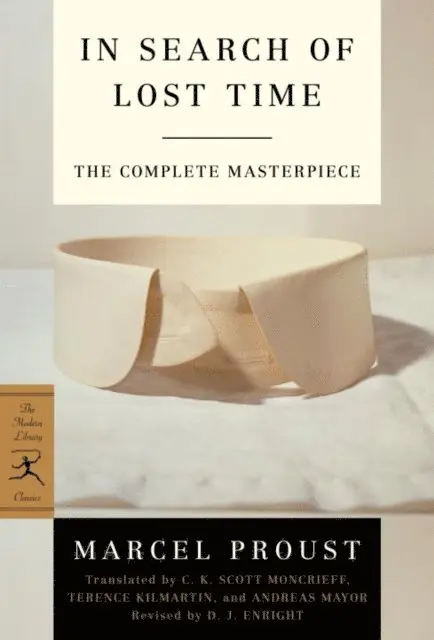
19 kr
Läs direkt efter köp
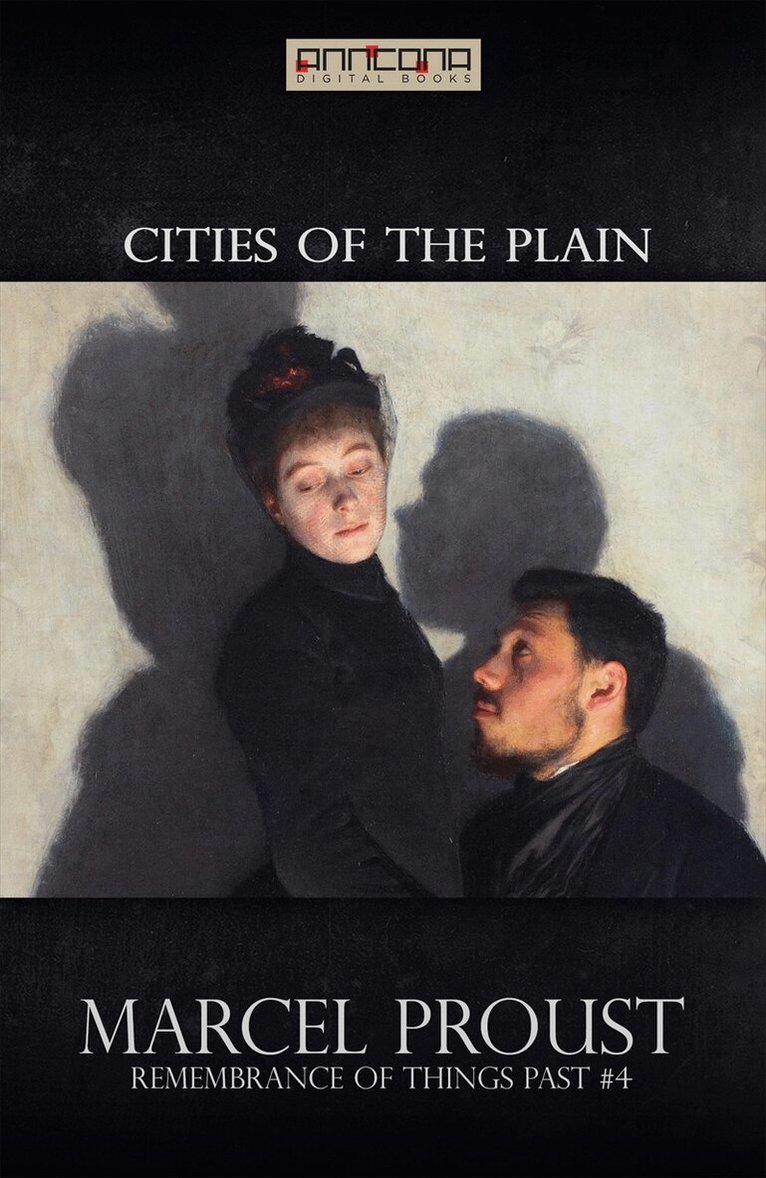
Cities of the Plain is the fourth volume (of 7) in Marcel Proust’s monumental novel À la recherche du temps perdu (Remembrance of Things Past; or In Search of Lost Time) that was published in seven parts between 1913 and 1927. His most prominent work, it is known both for its length and its theme of involuntary memory, the most famous example being the "episode of the madeleine."
Begun in 1909, Remembrance of Things Past consists of seven volumes totaling around 3,200 pages and featuring more than 2,000 characters. Graham Greene called Proust the "greatest novelist of the 20th century", and W. Somerset Maugham called the novel the "greatest fiction to date". Proust died before he was able to complete his revision of the drafts and proofs of the final volumes, the last three of which were published posthumously and edited by his brother, Robert.
Much of Remembrance of Things Past concerns the vast changes, most particularly the decline of the aristocracy and the rise of the middle classes that occurred in France during the Third Republic and the fin de siècle. Fin de siècle is a French term for end of the century, a term that typically encompasses not only the meaning of the similar English idiom turn of the century, but also both the closing and onset of an era, as the end of the 19th century was felt to be a period of degeneration, but at the same time a period of hope for a new beginning.
Remembrance of Things Past is considered the definitive modern novel by many scholars. It has had a profound effect on subsequent writers such as the Bloomsbury Group. "Oh if I could write like that!" marveled Virginia Woolf in 1922. Literary critic Harold Bloom wrote that Remembrance of Things Past is now "widely recognized as the major novel of the twentieth century." Vladimir Nabokov, in a 1965 interview, named the greatest prose works of the 20th century as, in order, "Joyce's Ulysses, Kafka's The Metamorphosis, Bely's Petersburg, and the first half of Proust's fairy tale Remembrance of Things Past." J. Peder Zane's book The Top Ten: Writers Pick Their Favorite Books, collates 125 "top 10 greatest books of all time" lists by prominent living writers; Remembrance of Things Past is placed eighth. Pulitzer Prize-winning author Michael Chabon has called it his favorite book. According to thegreatestbooks.org, a site which uses algorithms to determine the most well-received books, À la recherche du temps perdu is the second-most critically acclaimed work of fiction ever made, losing only to Ulysses.
Remembrance of Things Past was initially published in seven volumes:
Swann's Way (Du côté de chez Swann) (1913)
Within a Budding Grove (À l'ombre des jeunes filles en fleurs) (1919)
The Guermantes Way (Le Côté de Guermantes) (1920/1921)
Cities of the Plain (Sodome et Gomorrhe) (1921/1922)
The Captive (La Prisonnière) (1923)
The Fugitive (Albertine disparue) (1925)
Time Regained (Le Temps retrouvé) (1927)
19 kr
Läs direkt efter köp
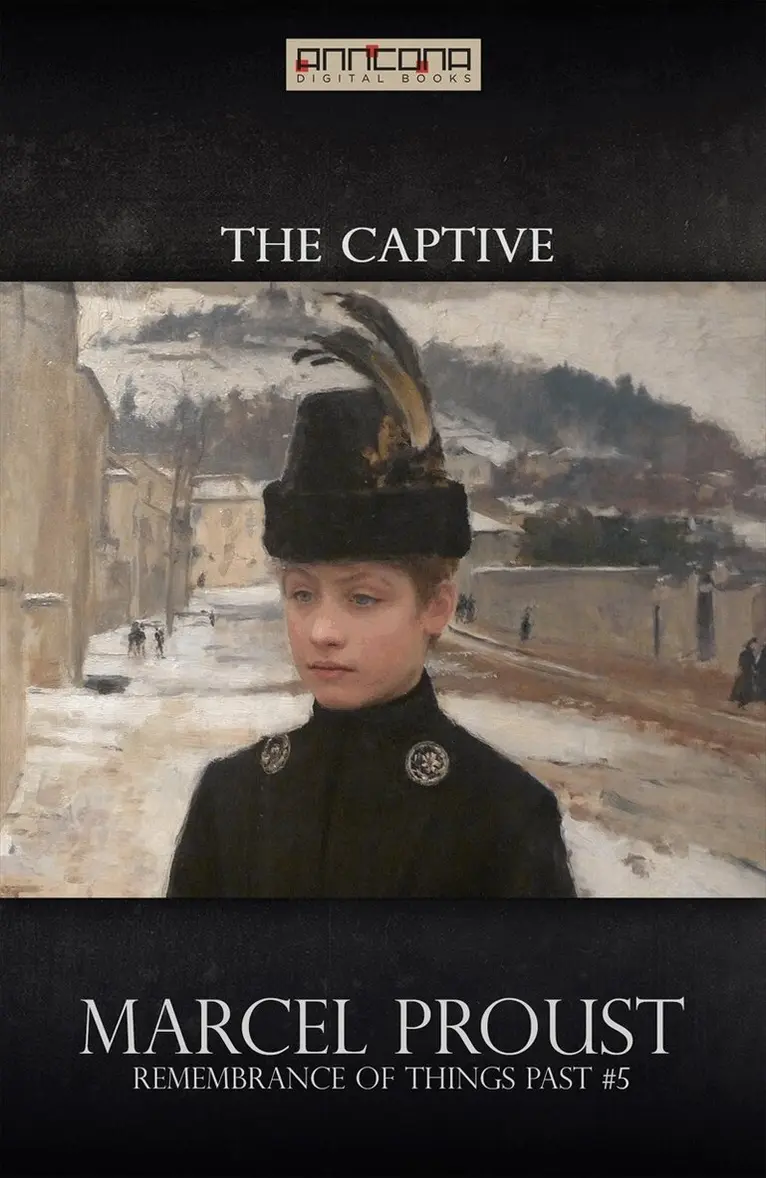
The Captive is the fifth volume (of 7) in Marcel Proust’s monumental novel À la recherche du temps perdu (Remembrance of Things Past; or In Search of Lost Time) that was published in seven parts between 1913 and 1927. His most prominent work, it is known both for its length and its theme of involuntary memory, the most famous example being the "episode of the madeleine."
Begun in 1909, Remembrance of Things Past consists of seven volumes totaling around 3,200 pages and featuring more than 2,000 characters. Graham Greene called Proust the "greatest novelist of the 20th century", and W. Somerset Maugham called the novel the "greatest fiction to date". Proust died before he was able to complete his revision of the drafts and proofs of the final volumes, the last three of which were published posthumously and edited by his brother, Robert.
Much of Remembrance of Things Past concerns the vast changes, most particularly the decline of the aristocracy and the rise of the middle classes that occurred in France during the Third Republic and the fin de siècle. Fin de siècle is a French term for end of the century, a term that typically encompasses not only the meaning of the similar English idiom turn of the century, but also both the closing and onset of an era, as the end of the 19th century was felt to be a period of degeneration, but at the same time a period of hope for a new beginning.
Remembrance of Things Past is considered the definitive modern novel by many scholars. It has had a profound effect on subsequent writers such as the Bloomsbury Group. "Oh if I could write like that!" marveled Virginia Woolf in 1922. Literary critic Harold Bloom wrote that Remembrance of Things Past is now "widely recognized as the major novel of the twentieth century." Vladimir Nabokov, in a 1965 interview, named the greatest prose works of the 20th century as, in order, "Joyce's Ulysses, Kafka's The Metamorphosis, Bely's Petersburg, and the first half of Proust's fairy tale Remembrance of Things Past." J. Peder Zane's book The Top Ten: Writers Pick Their Favorite Books, collates 125 "top 10 greatest books of all time" lists by prominent living writers; Remembrance of Things Past is placed eighth. Pulitzer Prize-winning author Michael Chabon has called it his favorite book. According to thegreatestbooks.org, a site which uses algorithms to determine the most well-received books, À la recherche du temps perdu is the second-most critically acclaimed work of fiction ever made, losing only to Ulysses.
Remembrance of Things Past was initially published in seven volumes:
Swann's Way (Du côté de chez Swann) (1913)
Within a Budding Grove (À l'ombre des jeunes filles en fleurs) (1919)
The Guermantes Way (Le Côté de Guermantes) (1920/1921)
Cities of the Plain (Sodome et Gomorrhe) (1921/1922)
The Captive (La Prisonnière) (1923)
The Fugitive (Albertine disparue) (1925)
Time Regained (Le Temps retrouvé) (1927)
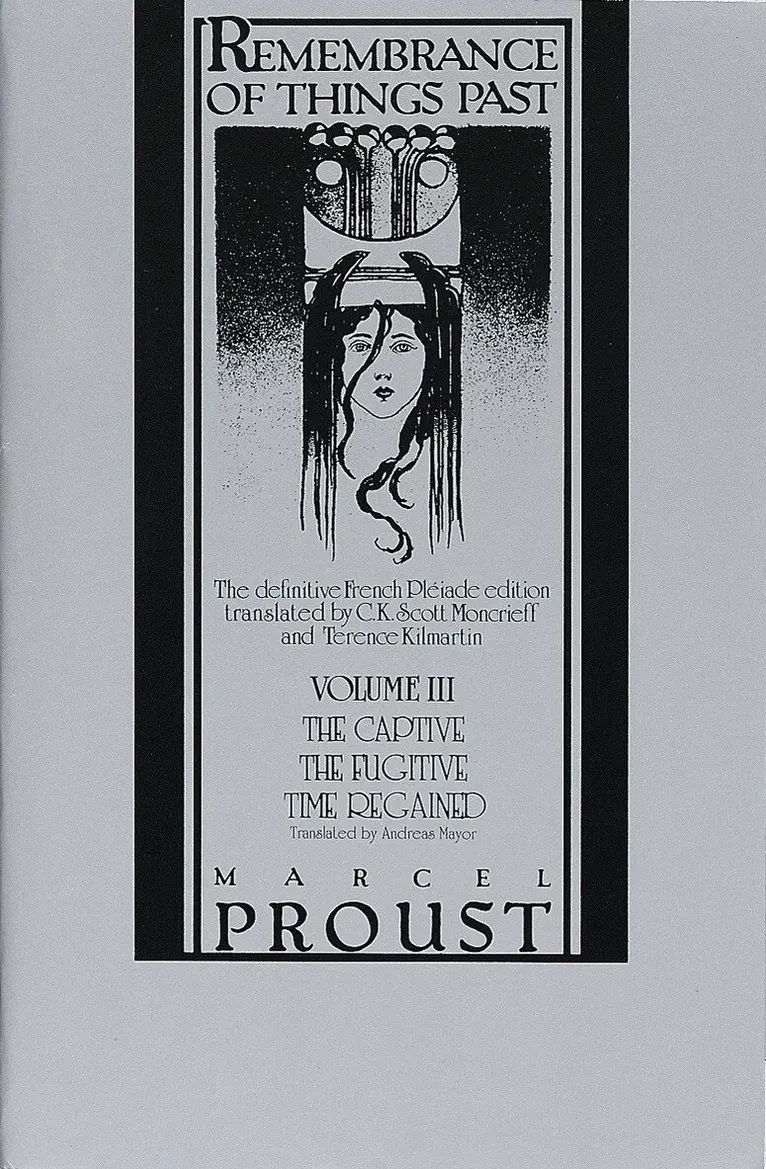
19 kr
Läs direkt efter köp
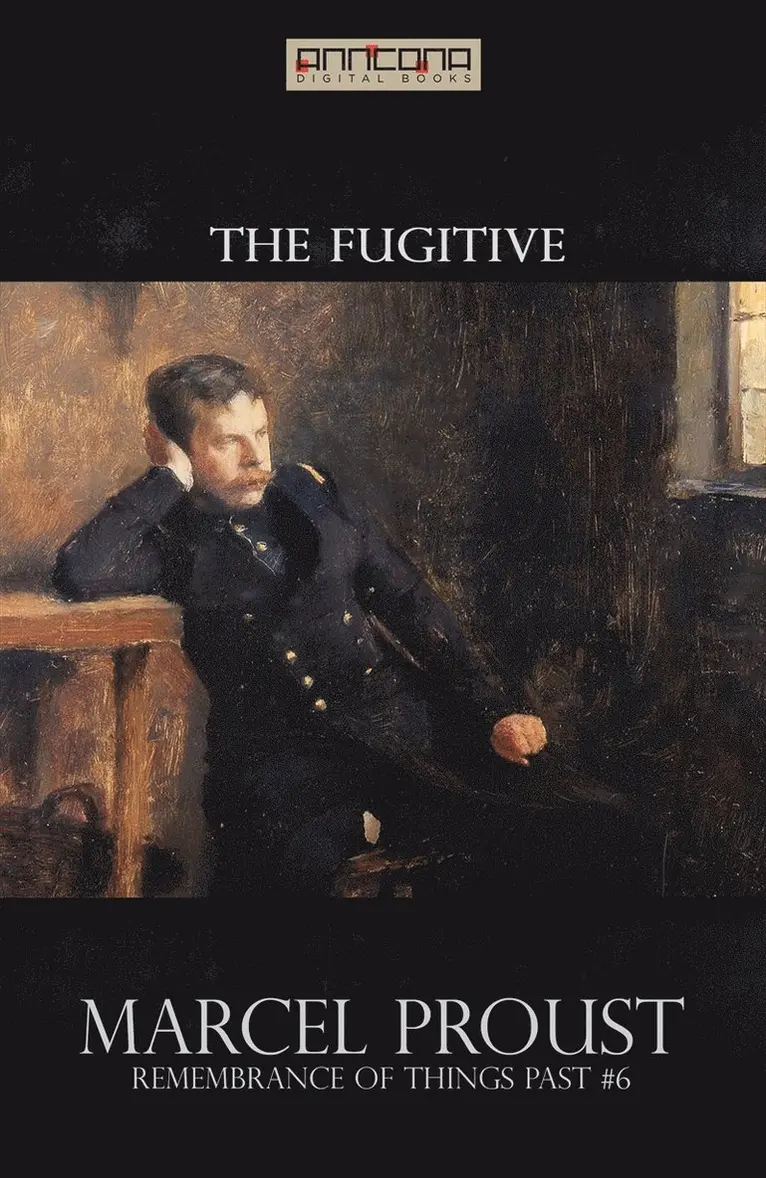
The Fugitive is the sixth volume (of 7) in Marcel Proust’s monumental novel À la recherche du temps perdu (Remembrance of Things Past; or In Search of Lost Time) that was published in seven parts between 1913 and 1927. His most prominent work, it is known both for its length and its theme of involuntary memory, the most famous example being the "episode of the madeleine."
Begun in 1909, Remembrance of Things Past consists of seven volumes totaling around 3,200 pages and featuring more than 2,000 characters. Graham Greene called Proust the "greatest novelist of the 20th century", and W. Somerset Maugham called the novel the "greatest fiction to date". Proust died before he was able to complete his revision of the drafts and proofs of the final volumes, the last three of which were published posthumously and edited by his brother, Robert.
Much of Remembrance of Things Past concerns the vast changes, most particularly the decline of the aristocracy and the rise of the middle classes that occurred in France during the Third Republic and the fin de siècle. Fin de siècle is a French term for end of the century, a term that typically encompasses not only the meaning of the similar English idiom turn of the century, but also both the closing and onset of an era, as the end of the 19th century was felt to be a period of degeneration, but at the same time a period of hope for a new beginning.
Remembrance of Things Past is considered the definitive modern novel by many scholars. It has had a profound effect on subsequent writers such as the Bloomsbury Group. "Oh if I could write like that!" marveled Virginia Woolf in 1922. Literary critic Harold Bloom wrote that Remembrance of Things Past is now "widely recognized as the major novel of the twentieth century." Vladimir Nabokov, in a 1965 interview, named the greatest prose works of the 20th century as, in order, "Joyce's Ulysses, Kafka's The Metamorphosis, Bely's Petersburg, and the first half of Proust's fairy tale Remembrance of Things Past." J. Peder Zane's book The Top Ten: Writers Pick Their Favorite Books, collates 125 "top 10 greatest books of all time" lists by prominent living writers; Remembrance of Things Past is placed eighth. Pulitzer Prize-winning author Michael Chabon has called it his favorite book. According to thegreatestbooks.org, a site which uses algorithms to determine the most well-received books, À la recherche du temps perdu is the second-most critically acclaimed work of fiction ever made, losing only to Ulysses.
Remembrance of Things Past was initially published in seven volumes:
Swann's Way (Du côté de chez Swann) (1913)
Within a Budding Grove (À l'ombre des jeunes filles en fleurs) (1919)
The Guermantes Way (Le Côté de Guermantes) (1920/1921)
Cities of the Plain (Sodome et Gomorrhe) (1921/1922)
The Captive (La Prisonnière) (1923)
The Fugitive (Albertine disparue) (1925)
Time Regained (Le Temps retrouvé) (1927)
19 kr
Läs direkt efter köp
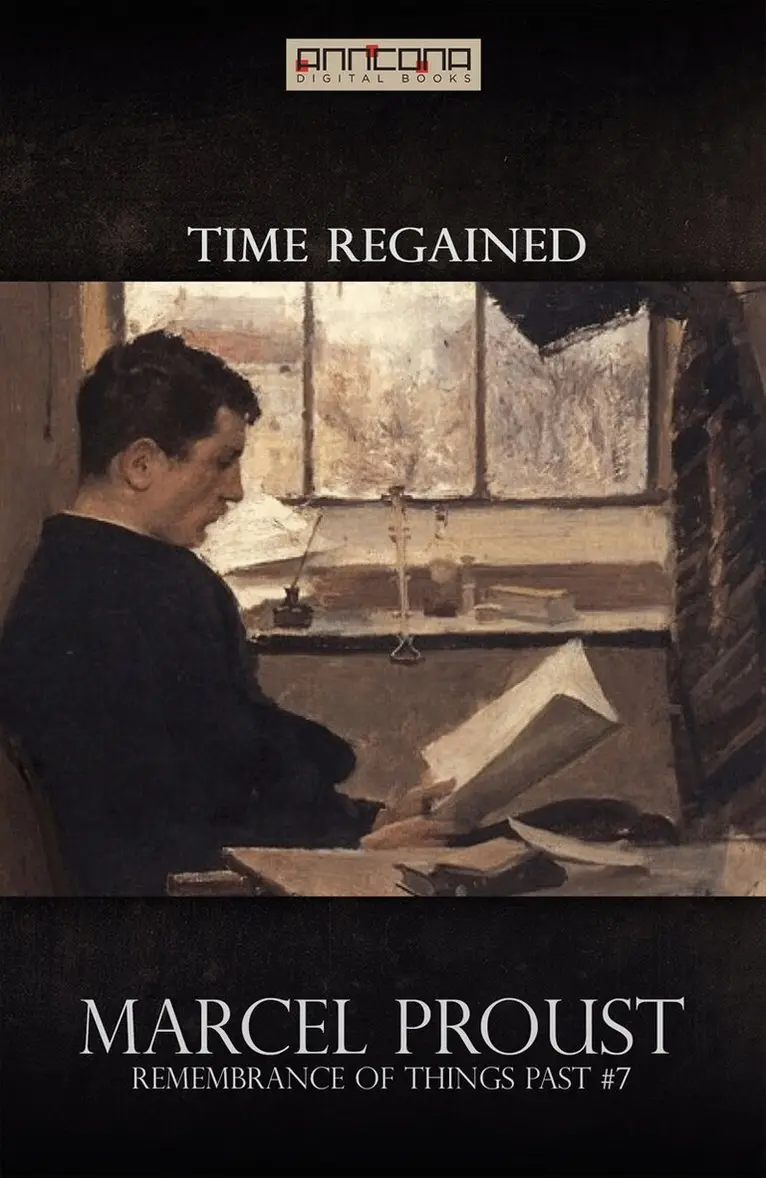
Time Regained is the last volume (of 7) in Marcel Proust’s monumental novel À la recherche du temps perdu (Remembrance of Things Past; or In Search of Lost Time) that was published in seven parts between 1913 and 1927. His most prominent work, it is known both for its length and its theme of involuntary memory, the most famous example being the "episode of the madeleine."
Begun in 1909, Remembrance of Things Past consists of seven volumes totaling around 3,200 pages and featuring more than 2,000 characters. Graham Greene called Proust the "greatest novelist of the 20th century", and W. Somerset Maugham called the novel the "greatest fiction to date". Proust died before he was able to complete his revision of the drafts and proofs of the final volumes, the last three of which were published posthumously and edited by his brother, Robert.
Much of Remembrance of Things Past concerns the vast changes, most particularly the decline of the aristocracy and the rise of the middle classes that occurred in France during the Third Republic and the fin de siècle. Fin de siècle is a French term for end of the century, a term that typically encompasses not only the meaning of the similar English idiom turn of the century, but also both the closing and onset of an era, as the end of the 19th century was felt to be a period of degeneration, but at the same time a period of hope for a new beginning.
Remembrance of Things Past is considered the definitive modern novel by many scholars. It has had a profound effect on subsequent writers such as the Bloomsbury Group. "Oh if I could write like that!" marveled Virginia Woolf in 1922. Literary critic Harold Bloom wrote that Remembrance of Things Past is now "widely recognized as the major novel of the twentieth century." Vladimir Nabokov, in a 1965 interview, named the greatest prose works of the 20th century as, in order, "Joyce's Ulysses, Kafka's The Metamorphosis, Bely's Petersburg, and the first half of Proust's fairy tale Remembrance of Things Past." J. Peder Zane's book The Top Ten: Writers Pick Their Favorite Books, collates 125 "top 10 greatest books of all time" lists by prominent living writers; Remembrance of Things Past is placed eighth. Pulitzer Prize-winning author Michael Chabon has called it his favorite book. According to thegreatestbooks.org, a site which uses algorithms to determine the most well-received books, À la recherche du temps perdu is the second-most critically acclaimed work of fiction ever made, losing only to Ulysses.
Remembrance of Things Past was initially published in seven volumes:
Swann's Way (Du côté de chez Swann) (1913)
Within a Budding Grove (À l'ombre des jeunes filles en fleurs) (1919)
The Guermantes Way (Le Côté de Guermantes) (1920/1921)
Cities of the Plain (Sodome et Gomorrhe) (1921/1922)
The Captive (La Prisonnière) (1923)
The Fugitive (Albertine disparue) (1925)
Time Regained (Le Temps retrouvé) (1927)
69 kr
Lyssna direkt efter köp
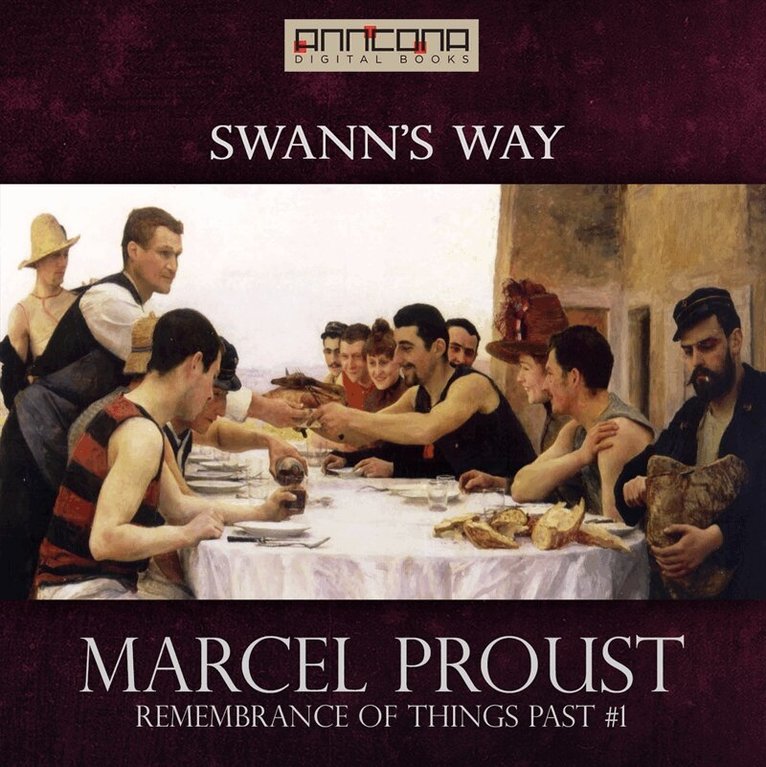
Swann’s Way is the first volume (of 7) in Marcel Proust’s monumental novel À la recherche du temps perdu (Remembrance of Things Past; or In Search of Lost Time) that was published in seven parts between 1913 and 1927. His most prominent work, it is known both for its length and its theme of involuntary memory, the most famous example being the "episode of the madeleine."
Begun in 1909, Remembrance of Things Past consists of seven volumes totaling around 3,200 pages and featuring more than 2,000 characters. Graham Greene called Proust the "greatest novelist of the 20th century", and W. Somerset Maugham called the novel the "greatest fiction to date". Proust died before he was able to complete his revision of the drafts and proofs of the final volumes, the last three of which were published posthumously and edited by his brother, Robert.
Much of Remembrance of Things Past concerns the vast changes, most particularly the decline of the aristocracy and the rise of the middle classes that occurred in France during the Third Republic and the fin de siècle. Fin de siècle is a French term for end of the century, a term that typically encompasses not only the meaning of the similar English idiom turn of the century, but also both the closing and onset of an era, as the end of the 19th century was felt to be a period of degeneration, but at the same time a period of hope for a new beginning.
Remembrance of Things Past is considered the definitive modern novel by many scholars. It has had a profound effect on subsequent writers such as the Bloomsbury Group. "Oh if I could write like that!" marveled Virginia Woolf in 1922. Literary critic Harold Bloom wrote that Remembrance of Things Past is now "widely recognized as the major novel of the twentieth century." Vladimir Nabokov, in a 1965 interview, named the greatest prose works of the 20th century as, in order, "Joyce's Ulysses, Kafka's The Metamorphosis, Bely's Petersburg, and the first half of Proust's fairy tale Remembrance of Things Past." J. Peder Zane's book The Top Ten: Writers Pick Their Favorite Books, collates 125 "top 10 greatest books of all time" lists by prominent living writers; Remembrance of Things Past is placed eighth. Pulitzer Prize-winning author Michael Chabon has called it his favorite book. According to thegreatestbooks.org, a site which uses algorithms to determine the most well-received books, À la recherche du temps perdu is the second-most critically acclaimed work of fiction ever made, losing only to Ulysses.
Remembrance of Things Past was initially published in seven volumes:
Swann's Way (Du côté de chez Swann) (1913)
Within a Budding Grove (À l'ombre des jeunes filles en fleurs) (1919)
The Guermantes Way (Le Côté de Guermantes) (1920/1921)
Cities of the Plain (Sodome et Gomorrhe) (1921/1922)
The Captive (La Prisonnière) (1923)
The Fugitive (Albertine disparue) (1925)
Time Regained (Le Temps retrouvé) (1927)
319 kr
Skickas inom 7-10 vardagar
248 kr
Skickas inom 7-10 vardagar
248 kr
Skickas inom 7-10 vardagar