1 369 kr
Skickas inom 7-10 vardagar
1 369 kr
Skickas inom 7-10 vardagar
583 kr
Läs direkt efter köp
153 kr
Läs direkt efter köp
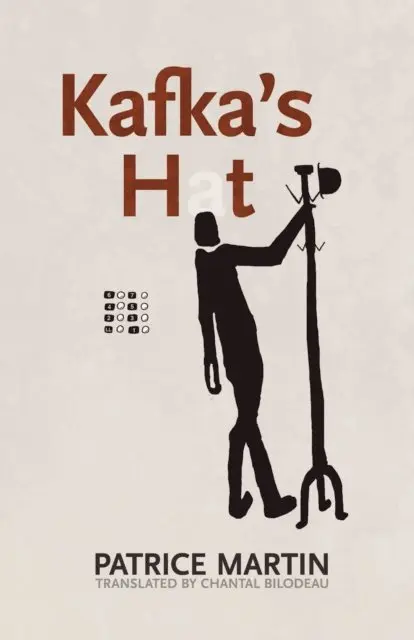
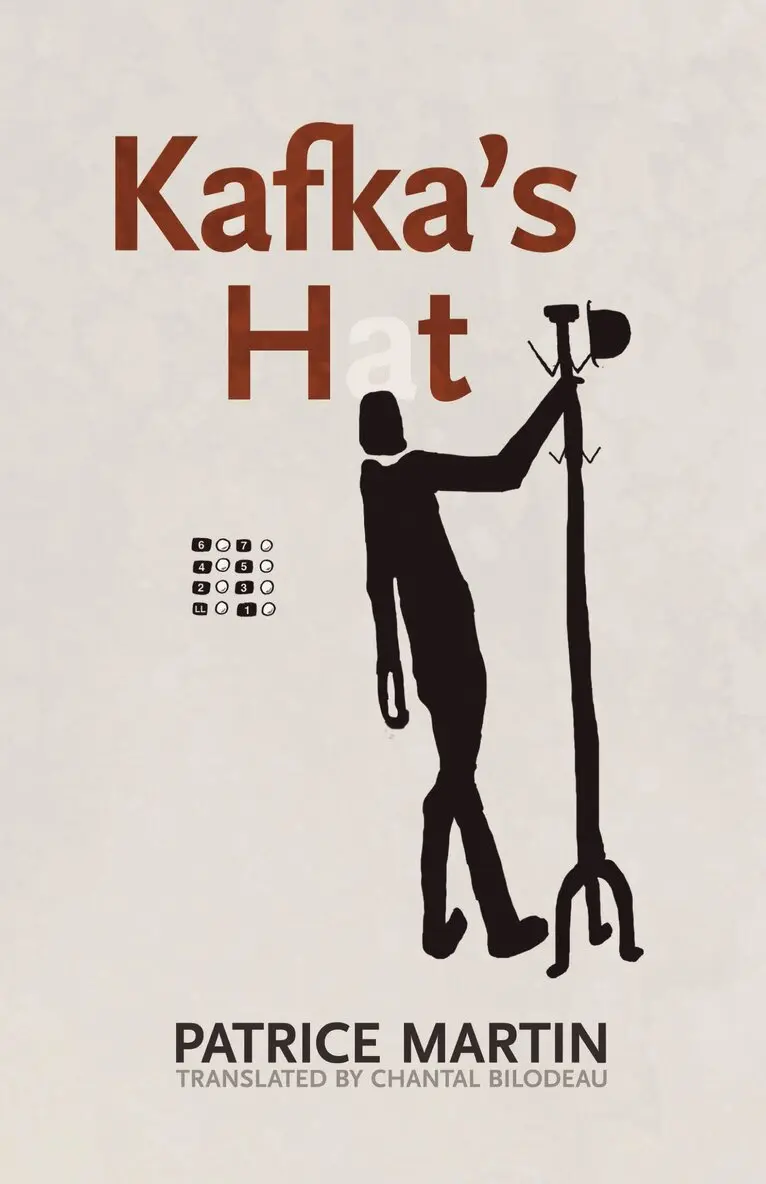
In Patrice Martin’s ticklish tip of the hat to the writing of Franz Kafka, we follow the misadventures of a bureaucrat – aptly named “P.” (pun intended) – as he embarks on the illustrious task of collecting the titular headgear. “P.” expects that the accomplishment of this seemingly simple task will grant him both a professional and a personal promotion. But Martin’s eager protagonist has overlooked the systematic difficulty in modern bureaucracies – as well as in some of twentieth-century’s best fiction – of getting things done. And so Kafka’s hat is increasingly unreachable: express elevators get stuck between floors, rooms full of suitcases must be searched, unsympathetic bureaucrats must be confronted, and then there’s the rather unanticipated discovery of a fresh cadaver in the library … Naturally, “P.” knows that every hero has his coming-of-age trial to go through; trouble is, he’s no modern Ulysses.
Never departing in tone and timbre from a somewhat amicable and farcical, obstinately absurd storytelling style, Kafka’s Hat assembles a pleasant labyrinth of intertextual references, which make room for the diverse imaginary worlds of Jorge Luis Borges, Italo Calvino, and Paul Auster. Living in a different city, wearing new clothes, but still immersed in the part-tragic and part-comical ambience of Franz Kafka’s best existentialist literature, Patrice Martin’s “P.” is the compelling alter ego of a not-so-distant “Joseph K.” – still contemporary, still relevant.
Invoking some of modern literature’s most meaningful authors, Martin’s prose playfully reminds us that we do not create new work without reintroducing past fictions inside our present desires.
197 kr
Läs direkt efter köp
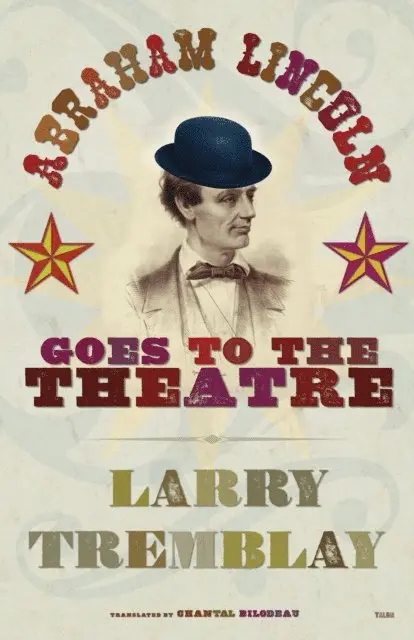
John Wilkes Booth assassinated Abraham Lincoln at Ford’s Theatre in Washington, D.C. Inside that theatre today, Ranger Powell of the U.S. Parks Service takes crowds of tourists, the curious and the ghoulish through a step-by-step description of the assassination. Underneath the box where Lincoln was shot, he describes the plot of the comedy Lincoln watched that night, Our American Cousin, as being “kind of like the Beverly Hillbillies.”Scratch the surface of any story and underneath you will find layer upon layer of fiction masquerading as fact. The play’s main character, Mark Killman—a feared but much admired director—draws inspiration from Abraham Lincoln’s assassination to stage the schizophrenia of America. He hires two actors to play Laurel and Hardy. Both are to re-enact the assassination, while he himself plays the iconic role of Abraham Lincoln as a wax figure.The script is frequently self-referential, building on each of these “retakes” with further allusions to itself, telling the same story many times over in different voices from different points of view. Tremblay quite explicitly stages elements of literary theory with this play, including references to Jean Baudrillard’s concept of the simulacra and the “desert of the real,” concepts first popularized by the movie The Matrix—the idea that in our post-modern world, the imitator has become more relevant than the imitated, and that the virtual worlds we construct are becoming more “real” to us than the real world.Absurd, hilarious and haunting, Abraham Lincoln Goes to the Theatre is an unforgettable mystery that asks the question: How can we ever know who we are and what is true when the world we know is shifting beneath us? Its answer is simple: John Wilkes Booth was the first American star—the actor who kidnapped reality to transform it into theatre.Cast of 3 men.
229 kr
Läs direkt efter köp
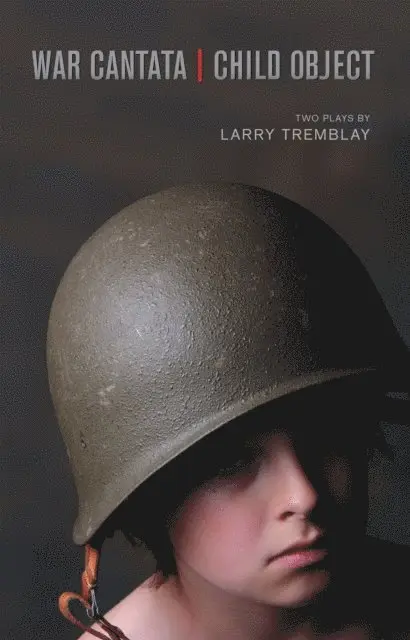
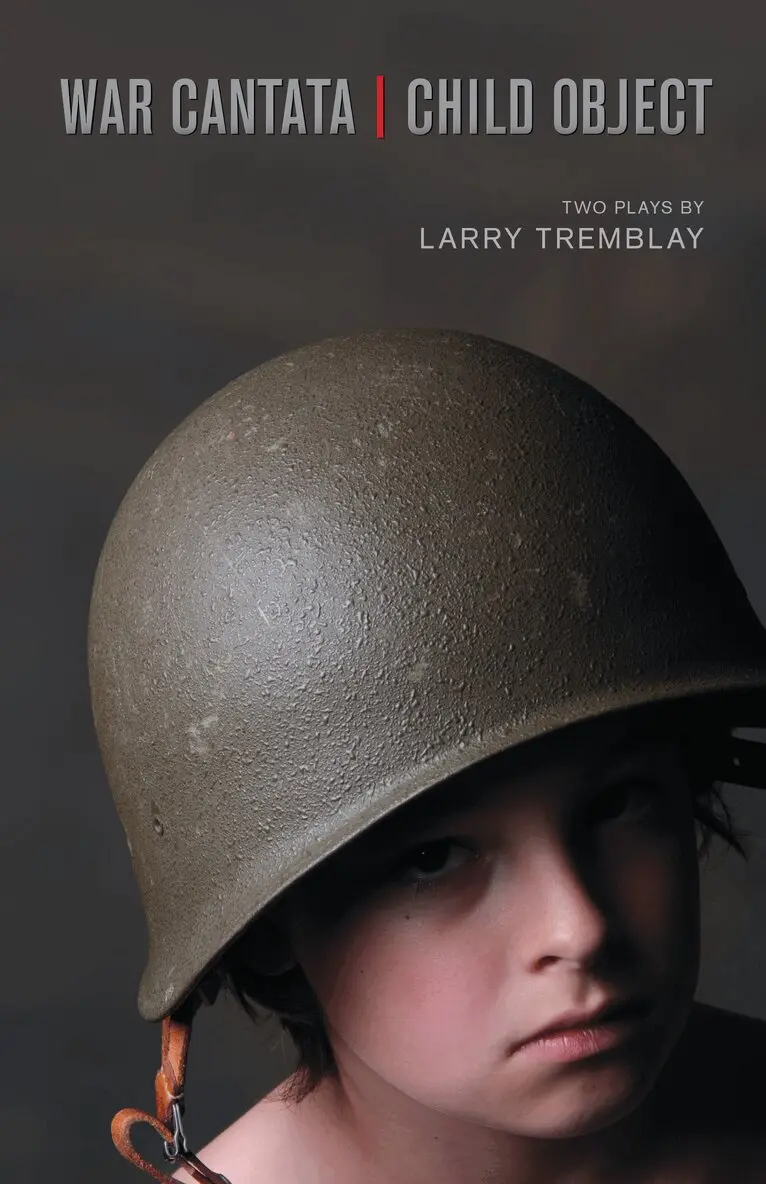
War Cantata translated by Keith Turnbull How far will humanity go in its quest for power? Why do we desire to eliminate each other through war? War Cantata looks at ways the impulse for violence is transmitted from one generation to the next; for example, when a father teaches his son hatred to transform him into a soldier impervious to pity. Without focusing on a particular battle or soldier, this harsh, intense, choral text builds the rhythmic power of words to expose war’s spiral toward hatred. In 2012, SACD (Société des auteurs et compositeurs dramatiques), in partnership with France Culture, awarded War Cantata the Prix SADC for best world play written in French, and CEAD (Centre des auteurs dramatiques) awarded it the Prix Michel-Tremblay for the best play written in Quebec in 2012. Cast of 2 men and a chorus. Child Object translated by Chantal Bilodeau With child as a blank page, a man sets about constructing his ideal companion manipulating personality, gender, and body. The child becomes the ultimate consumer good. Cast of 1 woman and 2 men.
439 kr
Tillfälligt slut
184 kr
Tillfälligt slut
145 kr
Tillfälligt slut
197 kr
Tillfälligt slut