1 707 kr
Skickas inom 7-10 vardagar
1 707 kr
Skickas inom 7-10 vardagar
2 020 kr
Läs direkt efter köp
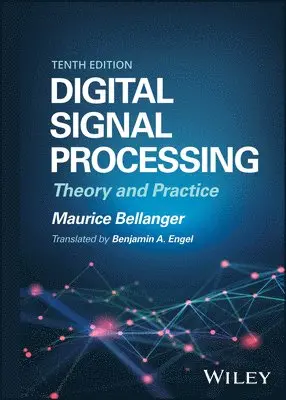
Understand the future of signal processing with the latest edition of this groundbreaking text
Signal processing is a key aspect of virtually all engineering fields. Digital techniques enormously expand the possible applications of signal processing, forming a part of not only conventional engineering projects but also data analysis and artificial intelligence. There are considerable challenges raised by these techniques, however, as the gulf between theory and practice can be wide; the successful integration of digital signal processing techniques requires engineers capable of bridging this gulf.
For years, Digital Signal Processing has met this need with a comprehensive guide that consistently connects abstract theory with practical applications. Now fully updated to reflect the most recent developments in this crucial field, the tenth* edition of this seminal text promises to foster a broader understanding of signal processing among a new generation of engineers and researchers.
Readers of the new edition of Digital Signal Processing will also find:
Exercises at the end of each chapter to reinforce key conceptsA new chapter covering digital signal processing for neural networksHandy structure beginning with undergraduate-level material before moving to more advanced concepts in the second halfDigital Signal Processing is a must-own for students, researchers, and industry professionals in any of the hundreds of fields and subfields that make use of signal processing algorithms.
*This is the English language translation of the French original Traitement Numérique du Signal 10th edition by Maurice Bellanger © Dunod 2022 and is the 4th edition in English.
2 020 kr
Läs direkt efter köp
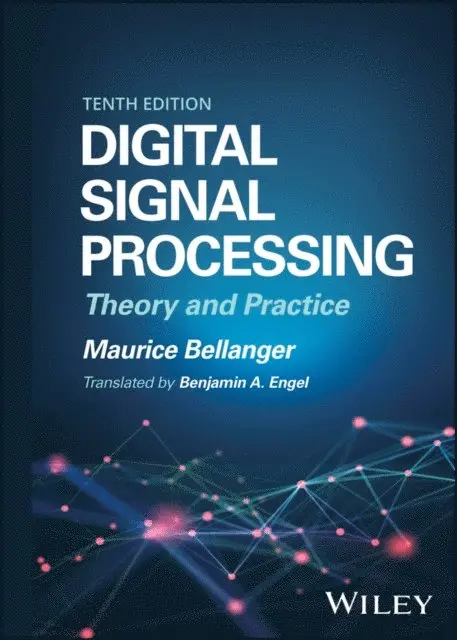
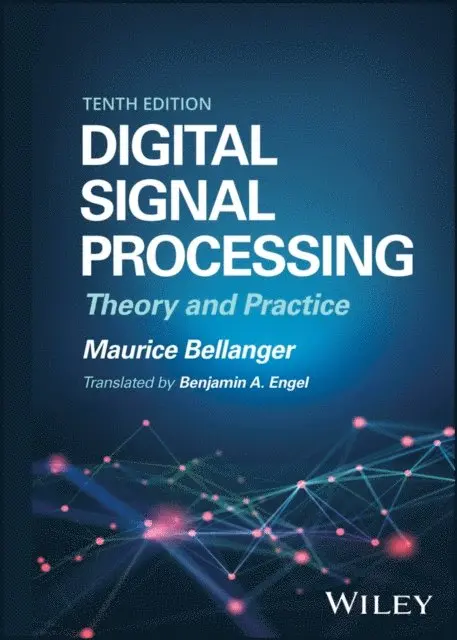
Understand the future of signal processing with the latest edition of this groundbreaking text
Signal processing is a key aspect of virtually all engineering fields. Digital techniques enormously expand the possible applications of signal processing, forming a part of not only conventional engineering projects but also data analysis and artificial intelligence. There are considerable challenges raised by these techniques, however, as the gulf between theory and practice can be wide; the successful integration of digital signal processing techniques requires engineers capable of bridging this gulf.
For years, Digital Signal Processing has met this need with a comprehensive guide that consistently connects abstract theory with practical applications. Now fully updated to reflect the most recent developments in this crucial field, the tenth* edition of this seminal text promises to foster a broader understanding of signal processing among a new generation of engineers and researchers.
Readers of the new edition of Digital Signal Processing will also find:
Exercises at the end of each chapter to reinforce key conceptsA new chapter covering digital signal processing for neural networksHandy structure beginning with undergraduate-level material before moving to more advanced concepts in the second halfDigital Signal Processing is a must-own for students, researchers, and industry professionals in any of the hundreds of fields and subfields that make use of signal processing algorithms.
*This is the English language translation of the French original Traitement Numérique du Signal 10th edition by Maurice Bellanger © Dunod 2022 and is the 4th edition in English.
450 kr
Skickas inom 10-15 vardagar
584 kr
Läs direkt efter köp
This book helps us to understand the therapeutic processes involved in the multifamily group and gives us tools for effective management, making it an indispensable guide for professionals in all areas of human care who are interested in including multifamily therapy in their institutions. In recent years we have witnessed the emergence of forms of social and health care that incorporate the voices of the people who suffer and those of their family and social environment as a therapeutic resource. These include Multifamily Therapies, therapeutic interventions carried out through groups made up of several families (multifamily groups) in which the mechanisms of family therapy and group therapy mutually enhance each other.
Among the various models of multifamily therapy, Interfamily Therapy has become the most widespread. It is an integrative and eclectic model inspired by attachment theory and dialogical practices and represents a new way of approaching human problems through sharing and learning together with others. The simplicity of its theoretical statements and methodology facilitates its application in any social, educational and health context by professionals from different backgrounds.