

Häftad, Engelska, 1982
426 kr
Skickas inom 7-10 vardagar
'
426 kr
Skickas inom 7-10 vardagar
273 kr
Skickas inom 7-10 vardagar

363 kr
Skickas inom 7-10 vardagar

257 kr
Skickas inom 7-10 vardagar

565 kr
Skickas inom 7-10 vardagar
239 kr
Skickas
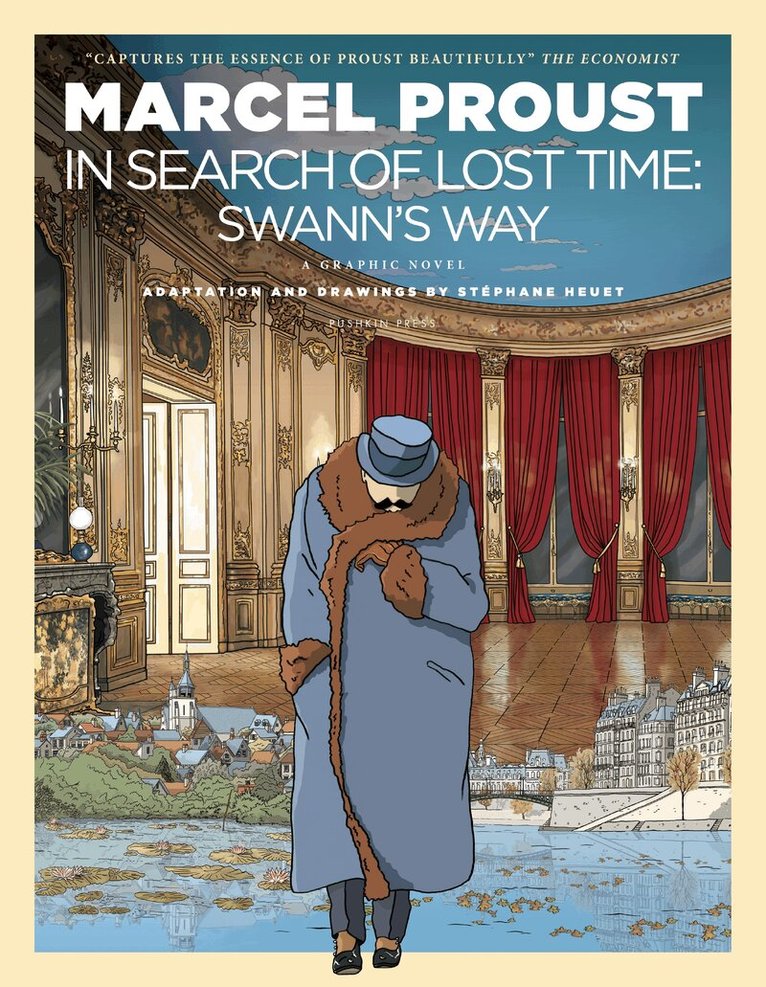
The greatest French literary masterpiece of all time, now in the form of a graphic novel
Shortlisted for the Oxford-Weidenfeld prize
______'Sumptuous. Elegant, beautifully paced... completely absorbing' The Guardian
'Extraordinary... a triumph' New Statesman
'Audacious' Financial Times
______Proust's oceanic novel In Search of Lost Time looms over twentieth-century literature as one of the greatest, yet most endlessly challenging, literary experiences. Now, in what renowned translator Arthur Goldhammer says might be "likened to a piano reduction of an orchestral score," the French illustrator Stéphane Heuet re-presents Proust in graphic form for anyone who has always dreamed of reading him but was put off by the sheer magnitude of the undertaking.
This graphic adaptation reveals the fundamental architecture of Proust's work while displaying a remarkable fidelity to his language as well as the novel's themes of time, art, and the elusiveness of memory.
345 kr
Skickas inom 7-10 vardagar
246 kr
Skickas

248 kr
Skickas inom 10-15 vardagar

345 kr
Skickas inom 7-10 vardagar

331 kr
Skickas inom 7-10 vardagar
292 kr
Skickas inom 7-10 vardagar
452 kr
Skickas inom 7-10 vardagar

838 kr
Skickas inom 3-6 vardagar

916 kr
Skickas inom 7-10 vardagar

301 kr
Skickas inom 7-10 vardagar
1 120 kr
Skickas inom 7-10 vardagar
337 kr
Skickas inom 7-10 vardagar
722 kr
Läs direkt efter köp
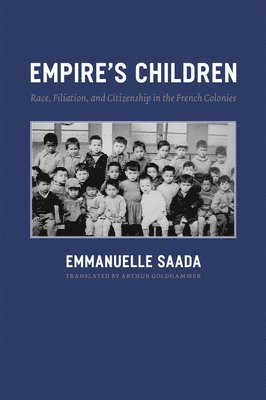
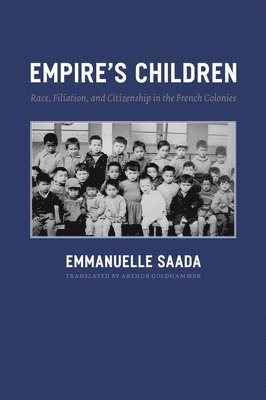
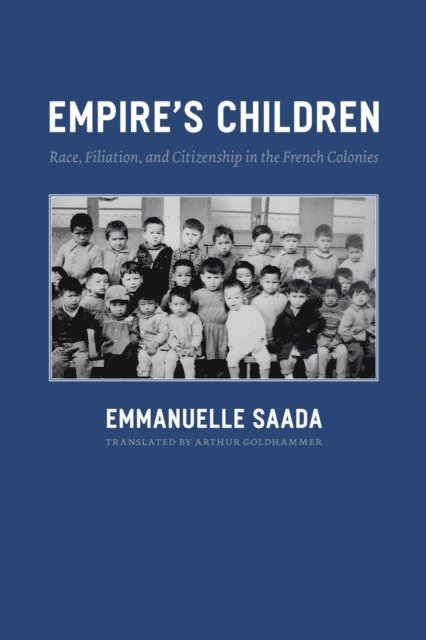
Europe’s imperial projects were often predicated on a series of legal and scientific distinctions that were frequently challenged by the reality of social and sexual interactions between the colonized and the colonizers.When Emmanuelle Saada discovered a 1928 decree defining the status of persons of mixed parentage born in French Indochina—the métis—she found not only a remarkable artifact of colonial rule, but a legal bombshell that introduced race into French law for the first time. The decree was the culmination of a decades-long effort to resolve the “métis question”: the educational, social, and civil issues surrounding the mixed population. Operating at the intersection of history, anthropology, and law, Empire’s Children reveals the unacknowledged but central role of race in the definition of French nationality.
Through extensive archival work in both France and Vietnam, and a close reading of primary and secondary material from the Pacific islands and sub-Saharan and North Africa, Saada has created in Empire’s Children an original and compelling perspective on colonialism, law, race, and culture from the end of the nineteenth century until decolonization.
675 kr
Skickas inom 7-10 vardagar
675 kr
Skickas inom 7-10 vardagar

1 267 kr
Skickas inom 3-6 vardagar

70 kr
Läs direkt efter köp
360 kr
Skickas inom 7-10 vardagar

1 382 kr
Skickas inom 7-10 vardagar

237 kr
Skickas inom 7-10 vardagar
Civil Society in France since the Revolution
372 kr
Skickas inom 7-10 vardagar
284 kr
Skickas inom 7-10 vardagar

1 778 kr
Skickas inom 7-10 vardagar

587 kr
Lyssna direkt efter köp
The epic successor to one of the most important books of the century: at once a retelling of global history, a scathing critique of contemporary politics, and a bold proposal for a new and fairer economic system
Thomas Piketty’s bestselling Capital in the Twenty-First Century galvanized global debate about inequality. In this audacious follow-up, Piketty challenges us to revolutionize how we think about politics, ideology, and history. He exposes the ideas that have sustained inequality for the past millennium, reveals why the shallow politics of right and left are failing us today, and outlines the structure of a fairer economic system.
Our economy, Piketty observes, is not a natural fact. Markets, profits, and capital are all historical constructs that depend on choices. Piketty explores the material and ideological interactions of conflicting social groups that have given us slavery, serfdom, colonialism, communism, and hypercapitalism, shaping the lives of billions. He concludes that the great driver of human progress over the centuries has been the struggle for equality and education, and not, as often argued, the assertion of property rights or the pursuit of stability. The new era of extreme inequality that has derailed that progress since the 1980s, he shows, is partly a reaction against communism, but it is also the fruit of ignorance, intellectual specialization, and our drift toward the dead-end politics of identity.
Once we understand this, we can begin to envision a more balanced approach to economics and politics. Piketty argues for a new “participatory” socialism, a system founded on an ideology of equality, social property, education, and the sharing of knowledge and power. Capital and Ideology is destined to be one of the indispensable books of our time, a work that will not only help us understand the world, but that will change it.