193 kr
Skickas inom 7-10 vardagar
193 kr
Skickas inom 7-10 vardagar
166 kr
Skickas
187 kr
Läs direkt efter köp
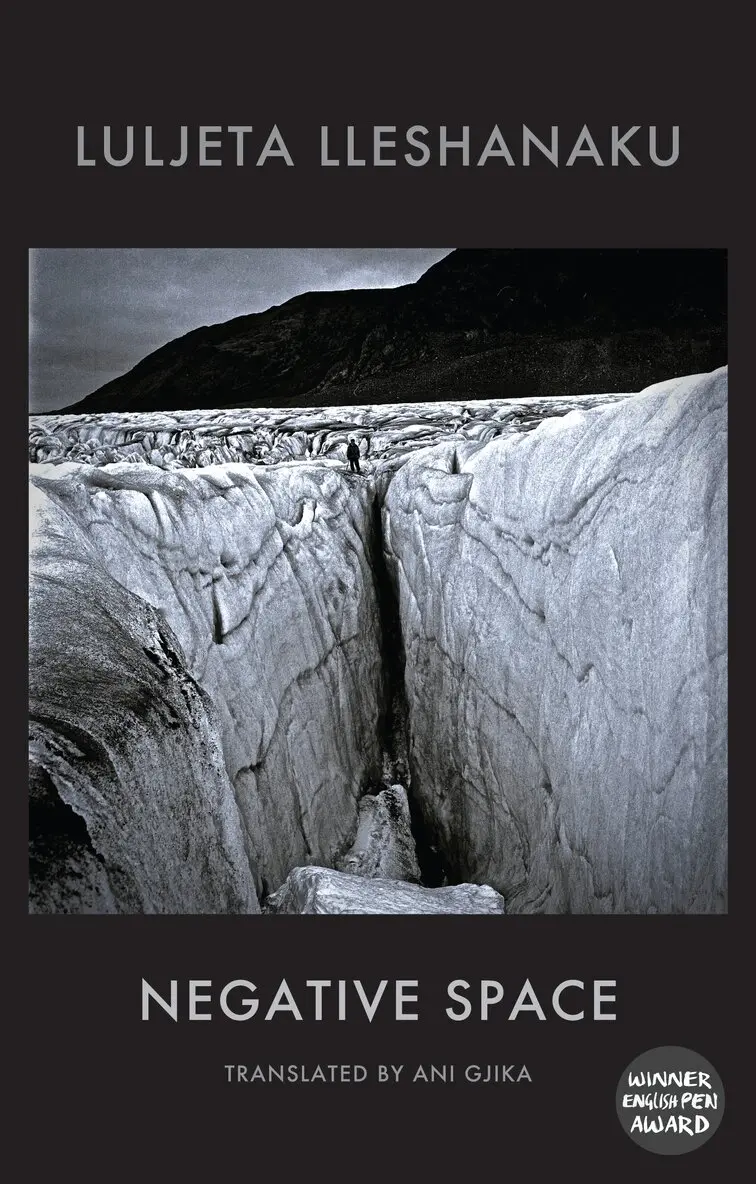
Albania’s Luljeta Lleshanaku grew up in negative space, living under family house arrest during the years of Enver Hoxha’s autocratic communist rule. Her recent poems are a response to what was missing then, not only in her life but for her whole generation, evoking absences, emptiness – what was unseen, unspoken or undone – through the concept of negative space. The space around objects, not the objects themselves, becomes the real, most significant part of an image, bringing balance to the whole of a composition, so enabling Lleshanaku to look back at the reality of her Albanian past and give voice to those who could not speak for themselves.Many of the poems are tied to no specific place or time. Histories intertwine and stories are re-framed, as in her long poem ‘Homo Antarcticus’, which traces the fate of an inspirational explorer who could adapt to months of near-starvation in sub-zero Antarctica but not to later life back in civilisation, one of a number of poems in the book relating to society’s pressure on the individual. Sorrow and death, love and desire, imprisonment and disappointment are all themes that echo deeply in Lleshanaku’s hauntingly beautiful poems.Negative Space draws on two recent collections published in Albania, Almost Yesterday (2012) and Homo Antarcticus (2015), and follows Haywire: New & Selected Poems, her first UK selection published by Bloodaxe in 2011, a Poetry Book Society Recommended Translation which was shortlisted for the Corneliu M. Popescu Prize in 2013.Negative Space is also a Poetry Book Society Recommended Translation.
163 kr
Skickas inom 11-20 vardagar
162 kr
Skickas inom 11-20 vardagar
163 kr
Skickas inom 11-20 vardagar
219 kr
Kommande
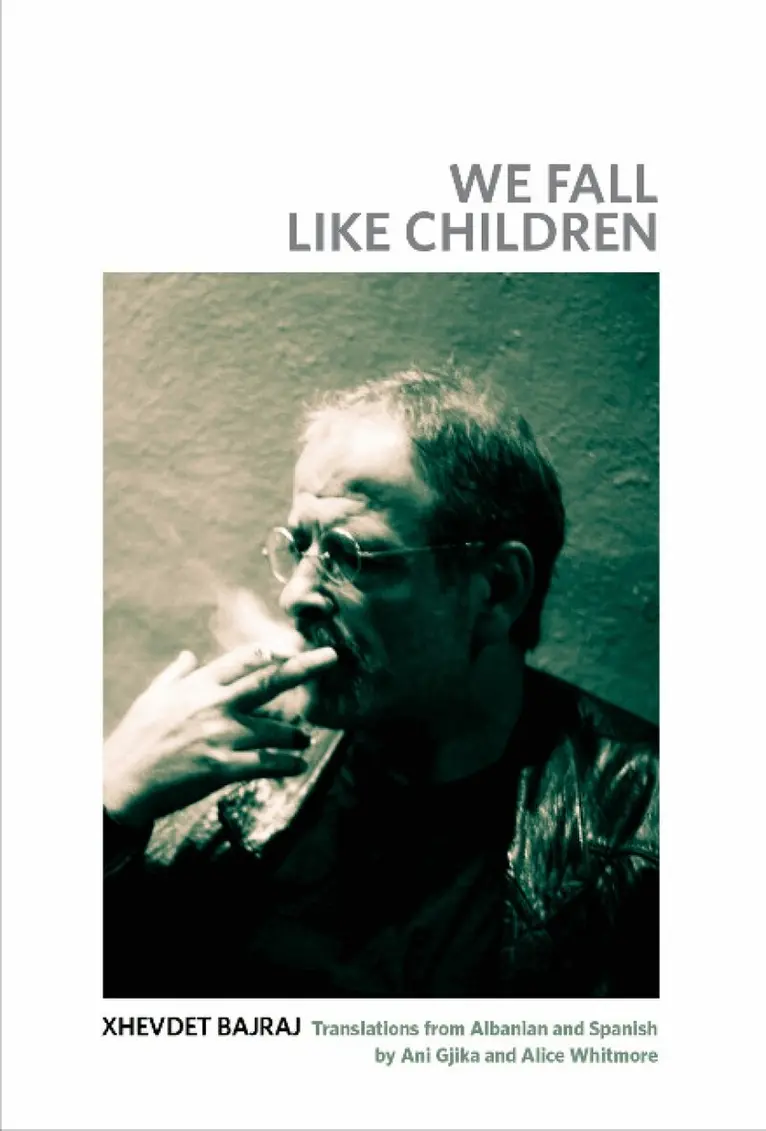
In the final months of Xhevdet Bajraj’s life, he producednearly 300 poems, writing exclusively in his native Albanian, not employing thelanguage of Mexico — the country of his exile — as he had sometimes done. This bookis the first of a trilogy dedicated to these poems.
He had given the manuscript a title: Angelus Novus, aftera monoprint by Paul Klee. Walter Benjamin interprets it like this: “A Kleepainting named 'Angelus Novus' shows an angel looking as though he is about tomove away from something he is fixedly contemplating . . . His face is turnedtoward the past . . . where he sees one single catastrophe which keeps pilingwreckage upon wreckage . . . The angel would like to stay, awaken the dead, andmake whole what has been smashed. But a storm is blowing from Paradise; it hasgot caught in his wings with such violence that the angel can no longer closethem.”
Bajraj contemplated Kosovo fixedly and added to his gaze thesuffering he witnessed in his place of refuge. Unrest is the essence of hiswork, unrest and dislocation, but his poetry does make whole, and as if toawaken the dead.
This series bears a name borrowed from an earlier poem: COFFIN/ When I die/ I hope they will look/ for the blackbox of my life/ among my poems.