138 kr
Skickas inom 7-10 vardagar
138 kr
Skickas inom 7-10 vardagar
194 kr
Skickas
139 kr
Skickas inom 7-10 vardagar
145 kr
Skickas inom 7-10 vardagar
218 kr
Skickas inom 7-10 vardagar
45 kr
Läs direkt efter köp
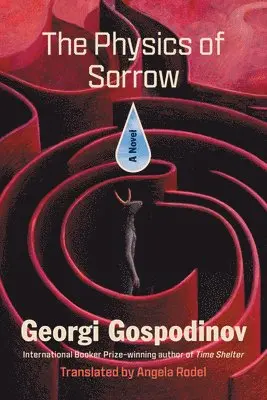
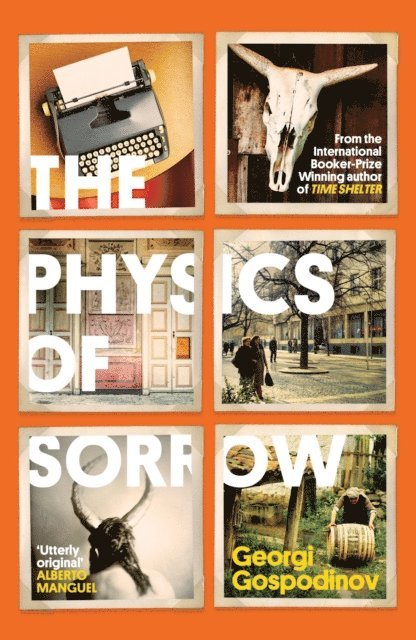
''Compulsively readable'' New York Times''Utterly original'' Alberto ManguelIn the small and the insignificant - that''s where life hides, that''s where it builds its nest.Our unnamed narrator is not well. He suffers from attacks of ''pathological empathy'', which cause him to wander unbidden into other people''s memories. He moves from recollection to recollection - from a Bulgarian country fair in 1925, where he meets a Minotaur, to inside the mind of a slug, as it is swallowed by his own Grandfather.Part family history, part coming-of-age story, part meditation on life in Communist Europe, The Physics of Sorrow is a dazzlingly inventive, mind-expanding novel from one of Europe''s most important writers.TRANSLATED FROM THE BULGARIAN BY ANGELA RODEL
68 kr
Läs direkt efter köp
A GUARDIAN AND FINANCIAL TIMES BOOK OF THE YEAR
''The most exquisite kind of literature... I''ve put it on a special shelf in my library that I reserve for books that demand to be revisited every now and then. ''OLGA TOKARCZUK, author of Drive Your Plow Over the Bones of the Dead''Could not be more timely... It''s funny and absurd, but it''s also frightening, because even as Gospodinov plays with the idea as fiction, the reader begins to recognise something rather closer to home... A writer of great warmth as well as skill''GUARDIAN
''In equal measure playful and profound, Time Shelter renders the philosophical mesmerizing, and the everyday extraordinary. I loved it''CLAIRE MESSUD, author of The Woman Upstairs
''A genrebusting novel of ideas... Gospodinov''s vision of tomorrow is the nightmare from which Europe knows it must awake. And accident, in combination with the book''s own merits, may just have created a classic''THE TIMES ''Gospodinov is one of Europe''s most fascinating and irreplaceable novelists, and this his most expansive, soulful and mind-bending book''DAVE EGGERS, author of The Circle
''Touching and intelligent''NEW YORK TIMES
''A powerful and brilliant novel: clear-sighted, foreboding, enigmatic''SANDRO VERONESI, author of The Hummingbird
''An immensely enjoyable book which achieves depth with an affable narrative voice''IRISH TIMES
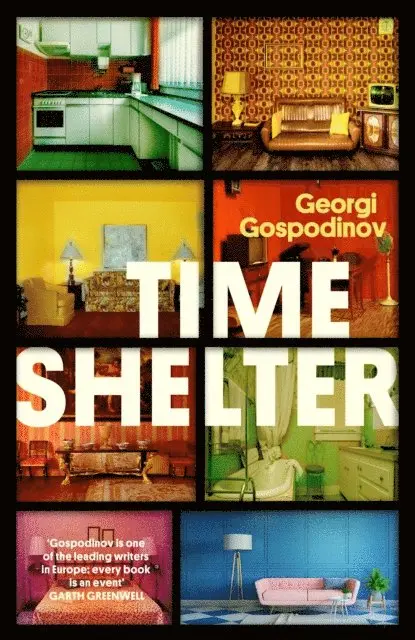
In Time Shelter, an enigmatic flâneur named Gaustine opens a ''clinic for the past'' that offers a promising treatment for Alzheimer''s sufferers: each floor reproduces a decade in minute detail, transporting patients back in time.
As Gaustine''s assistant, the unnamed narrator is tasked with collecting the flotsam and jetsam of the past, from 1960s furniture and 1940s shirt buttons to scents and even afternoon light. But as the rooms become more convincing, an increasing number of healthy people seek out the clinic as a ''time shelter'', hoping to escape from the horrors of our present - a development that results in an unexpected conundrum when the past begins to invade the present.
Intricately crafted, and eloquently translated by Angela Rodel, Time Shelter cements Georgi Gospodinov''s reputation as one of the indispensable writers of our times, a major voice in international literature.
Georgi Gospodinov is one of Europe''s most acclaimed writers. Originally from Bulgaria, his novels have won his country''s most prestigious literary prize twice and have been shortlisted for more than a dozen international prizes - including the 2015 PEN Literary Award for Translation, the Premio Gregor von Rezzori, the Premio Strega Europeo, the Bruecke Berlin Preis, and the Haus der Kulturen der Welt Literaturpreis. He has won the 2016 Jan Michalski Prize for Literature, the 2019 Angelus Literature Central Europe Prize and the 2021 Premio Strega Europeo, among others.
207 kr
Skickas inom 7-10 vardagar
145 kr
Skickas inom 7-10 vardagar
269 kr
Skickas inom 7-10 vardagar
130 kr
Kommande
298 kr
Skickas inom 7-10 vardagar
153 kr
Skickas inom 7-10 vardagar
182 kr
Skickas inom 7-10 vardagar
115 kr
Läs direkt efter köp
CO-WINNER OF THE 2012 CONTEMPORARY BULGARIAN WRITERS CONTEST
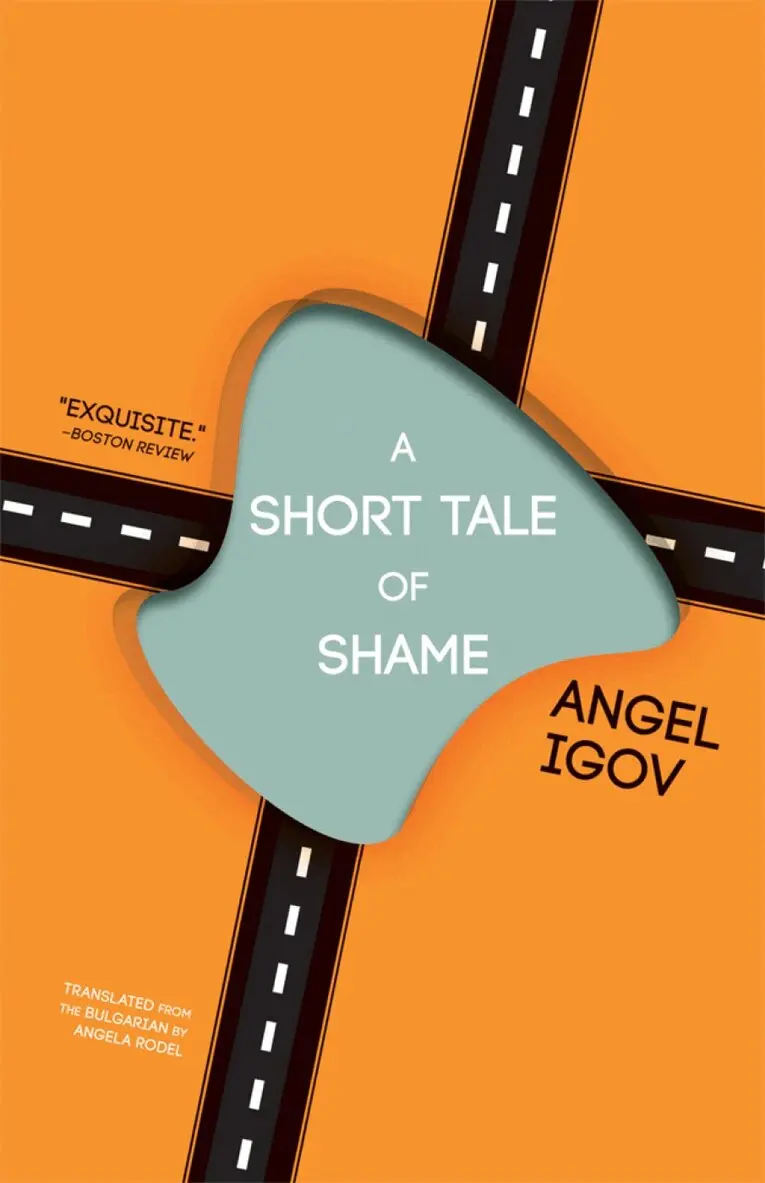
After deciding to take a semester off their studies to think about future plans, long-time friends Maya, Sirma, and Spartacus decide to hitchhike to the sea. Boril Krustev, former rock star and middle-aged widower who is driving aimlessly to outrun his grief, picks them up and accompanies them on their journey. It doesn''t take them long to figure out they''re connected to each other by more than their need to travel—specifically through Boril''s daughter, whose actions damaged each of the characters in this novel.
Co-winner of the Contemporary Bulgarian Writers Contest, A Short Tale of Shame marks the arrival of a new talent in Bulgarian literature with a novel about the need to come to terms with the shame and guilt we all harbor.
Angel Igov is a Bulgarian writer, literary critic, and translator. He has published two collections of short stories, the first of which won the Southern Spring award for debut fiction. Igov has also translated books by Paul Auster, Martin Amis, Angela Carter, and Ian McEwan into Bulgarian.
Angela Rodel earned an M.A. in linguistics from UCLA and received a Fulbright Fellowship to study and learn Bulgarian. In 2010 she won a PEN Translation Fund Grant for Georgi Tenev''s short story collection. She is one of the most prolific translators of Bulgarian literature working today.
170 kr
Skickas inom 7-10 vardagar
115 kr
Läs direkt efter köp
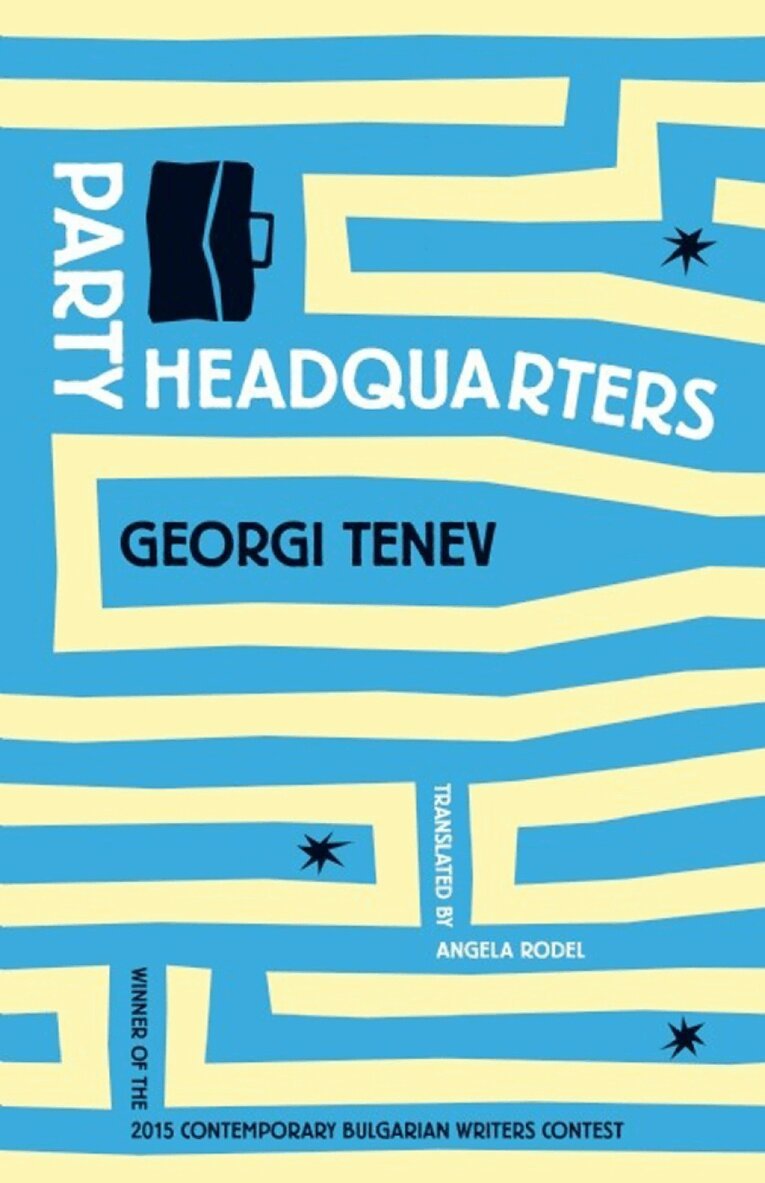
Winner of the Vick Foundation Novel of the Year Award in 2007, Party Headquarters takes place in the eighties and nineties, during Bulgaria''s transition from communist rule to democracy.
The book—which is a love story, a parody, and a thriller about a political hoax—opens with the main character visiting his father-in-law, an old communist party boss who is dying, and being tasked with delivering a suitcase filled with one-and-a-half million euros.
It''s one of Bulgaria''s most popular myths: As the communist party fell apart, high ranking officials squirreled away bags and suitcases containing a significant portion of the country''s wealth, and that these bags are still circulating through Europe, waiting to be delivered to various conspirators.
But this is just the beginning of the corruption and inequality that plagued Bulgaria during this time. While immersing himself in pornography and prostitution, the hero of Party Headquarters reflects back on his life and the emblematic events that took place around that time—the anticommunist protests, the arson attack on the Communist Party Headquarters in Sofia, and, most tragically and crucially, the Chernobyl disaster, during which the families of party officials were sheltered away and fed special, safe food, while the regular citizens suffered.
Beautiful and tragic, Party Headquarters is an engrossing testament to the struggles that haunted Bulgaria after the fall of the Soviet Union, many of which continue to resonate today.
Before penning the Vick Prize-winning novel Party Headquarters, Georgi Tenev had already published four books, founded the Triumviratus Art Group, hosted The Library television program about books, and written plays that have been performed in Germany, France, and Russia. He is also a screenwriter for film and TV.
Angela Rodel earned an MA in linguistics from UCLA and received a Fulbright Fellowship to study and learn Bulgarian.
277 kr
Tillfälligt slut
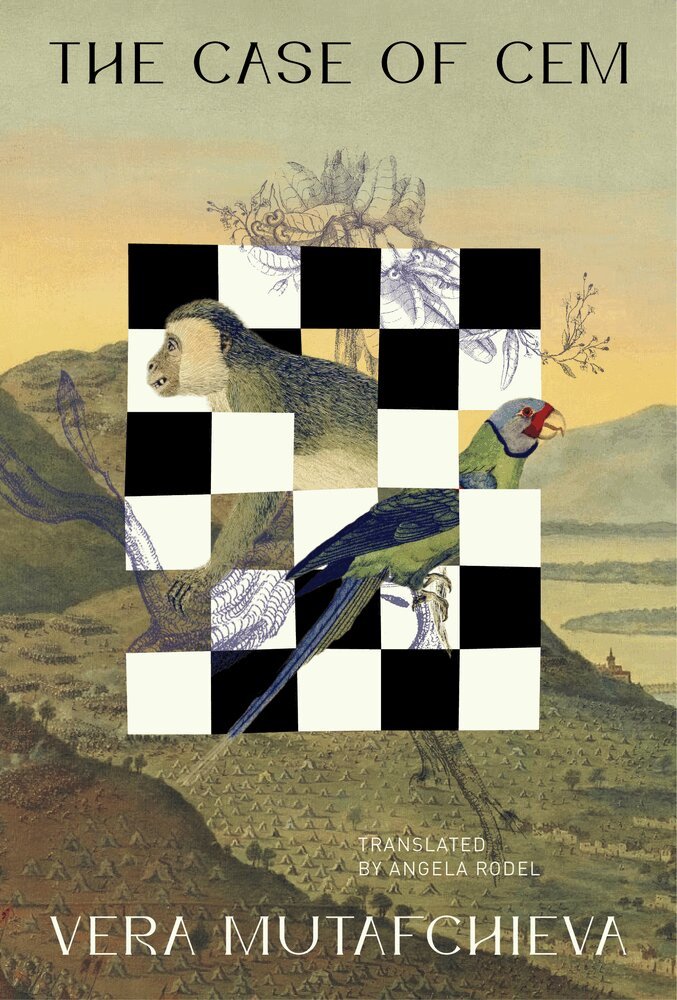
It’s 1481, and as seen from the centers of power in Rome and Venice, the cultures of Europe are under threat from the expansion of the Ottoman Empire. When the exalted Sultan Mehmed the Conqueror dies his eldest son, Bayezid, takes the throne. However, discontented factions within the Ottoman army urge Mehmed’s second son, Cem, a well-educated and experienced warrior, to oppose his brother’s ascension, setting off a ruthless power struggle and forcing Cem into long years of exile, a pawn for European powers that are struggling to maintain the order they have imposed on the continent over the course of centuries.
The Case of Cem maintains lasting resonance for being a personal exploration of emigration and loss as told through the historical era during which the politics of the East and West were sketched out with utter clarity. These early lines of demarcation, as voiced through Christian and Muslim emissaries, power hungry rulers, unflinching warriors, and poets, have indelibly influenced the word as we know it today.