75 kr
Skickas
75 kr
Skickas
139 kr
Skickas
165 kr
Läs direkt efter köp
236 kr
Skickas inom 3-6 vardagar
203 kr
Skickas
125 kr
Läs direkt efter köp
370 kr
Skickas inom 3-6 vardagar
176 kr
Skickas
338 kr
Skickas inom 3-6 vardagar
358 kr
Skickas inom 3-6 vardagar
333 kr
Skickas inom 7-10 vardagar
45 kr
Läs direkt efter köp
When Sarah leaves him - heartbroken by their inability to conceive - Pietro reverts to a younger self, leaving the dishes unwashed, his bed unmade and the post unopened. Soon afterwards, Sarah confesses that she is pregnant, but from a casual encounter. She comes to rely on Pietro''s mother for support, leaving all three in a painful limbo, unable to move on or return to the way things were. Into the void falls Olmo, an old man haunted by memories of war. At first he provides a distraction, but when he asks Pietro to travel to Russia on his behalf, to right a wrong from his past, he offers this most troubled of young men the chance of a new beginning.
102 kr
Läs direkt efter köp
144 kr
Läs direkt efter köp
167 kr
Läs direkt efter köp
447 kr
Läs direkt efter köp
450 kr
Läs direkt efter köp
60 kr
Läs direkt efter köp
188 kr
Skickas
In this thought-provoking and extremely timely work, Nuccio Ordine convincingly argues for the utility of useless knowledge and against the contemporary fixation on utilitarianism—for the fundamental importance of the liberal arts and against the damage caused by their neglect. Inspired by the reflections of great philosophers and writers (e.g., Plato, Dante, Montaigne, Shakespeare, Borges, and Calvino), Ordine reveals how the obsession for material goods and the cult of utility ultimately wither the spirit, jeopardizing not only schools and universities, art, and creativity, but also our most fundamental values—human dignity, love, and truth. Also included is Abraham Flexner’s 1939 essay “The Usefulness of Useless Knowledge,” which originally prompted Ordine to write this book. Flexner—a founder and the first director of the Institute for Advanced Study in Princeton—offers an impassioned defense of curiosity-driven research and learning.
199 kr
Skickas inom 7-10 vardagar
367 kr
Skickas inom 3-6 vardagar
126 kr
Skickas
407 kr
Skickas inom 10-15 vardagar
558 kr
Läs direkt efter köp
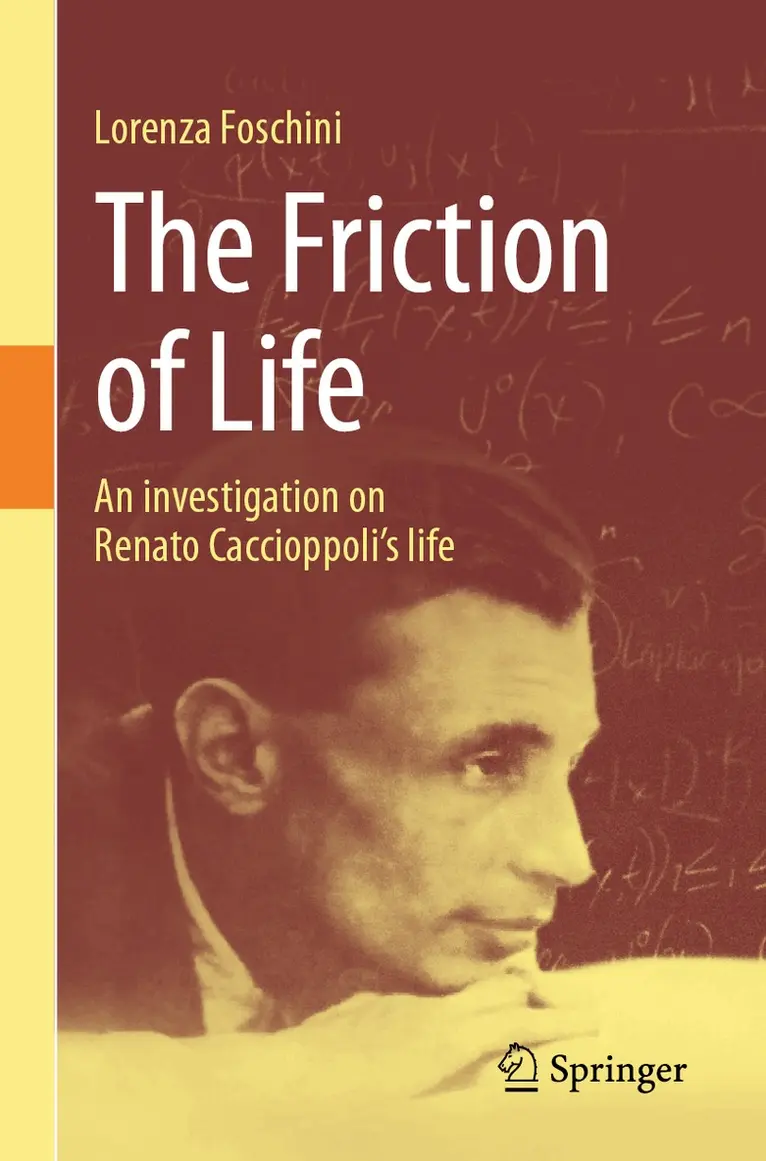
Naples, May 8, 1959. Renato Caccioppoli, a mathematical genius, prodigious pianist, captivating storyteller, highly cultured and multilingual, believed to be the grandson of the anarchist movement founder Mikhail Bakunin, takes his own life by shooting himself in the back of the head in his residence at Palazzo Cellammare.
Adored by students and colleagues, a symbol of freedom and non-conformity for an entire generation, Caccioppoli enchanted not only some of the most celebrated intellectuals of the century – André Gide, Pablo Neruda, Eduardo De Filippo, Benedetto Croce, Alberto Moravia, Elsa Morante – but also, and above all, the people of Naples, who have always regarded him with amazed admiration. Persecuted by the fascist regime, afflicted by what the writer and friend Paola Masino would describe as "the friction of life," his death permanently places him in the city''s history.
This meticulous and well-documented investigation tells us who Caccioppoli truly was and offers us an un-stereotyped and, in some ways, unprecedented portrayal of a legendary Naples.