1 091 kr
Läs direkt efter köp
1 091 kr
Läs direkt efter köp
883 kr
Läs direkt efter köp
883 kr
Läs direkt efter köp
762 kr
Läs direkt efter köp
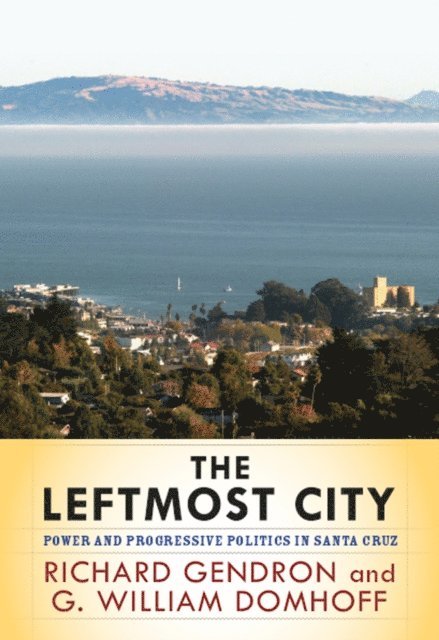
Almost all US cities are controlled by real estate and development interests, but Santa Cruz, California, is a deviant case. An unusual coalition of socialist-feminists, environmentalists, social-welfare liberals, and neighborhood activists has stopped every growth project proposed by landowners and developers since 1969, and controlled the city council since 1981. Even after a 1989 earthquake forced the city to rebuild its entire downtown, the progressive elected officials prevailed over developers and landowners. Drawing on hundreds of primary documents, as well as original, previously unpublished interviews, The Leftmost City utilizes an extended case study of Santa Cruz to critique three major theories of urban power: Marxism, public-choice theory, and regime theory. Santa Cruz is presented within the context of other progressive attempts to shape city government, and the authors'' findings support growth-coalition theory, which stresses the conflict between real estate interests and neighborhoods as the fundamental axis of urban politics. The authors conclude their analysis by applying insights gleaned from Santa Cruz to progressive movements nationwide, offering a template for progressive coalitions to effectively organize to achieve political power.
1 027 kr
Läs direkt efter köp
1 067 kr
Läs direkt efter köp
883 kr
Läs direkt efter köp
253 kr
Skickas inom 3-6 vardagar
336 kr
Läs direkt efter köp
433 kr
Läs direkt efter köp
The Story of the Union Labor Party, Big Business, and the Graft Prosecution
424 kr
Läs direkt efter köp
430 kr
Läs direkt efter köp
399 kr
Läs direkt efter köp
407 kr
Läs direkt efter köp
433 kr
Läs direkt efter köp
Migrant children separated from their parents.
A scheme to defraud Cook County using property tax breaks.
An undisclosed thirty-year business relationship between city officials in Baltimore.
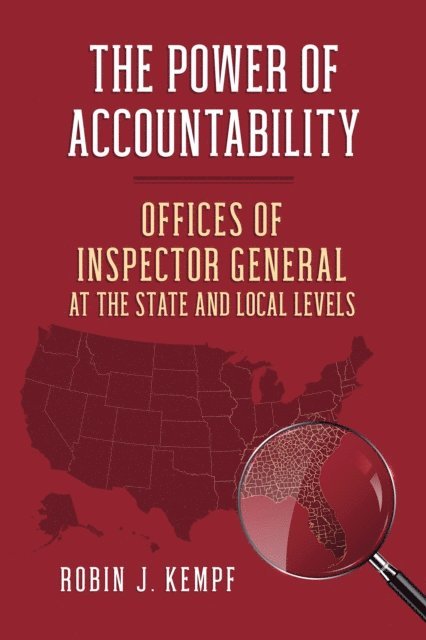
These are the sorts of headlines regularly generated by offices of inspector general (OIGs)—bureaucratic units dedicated to government accountability that are commonly independent of the agencies they are charged with overseeing. In 1976, OIGs were virtually unheard of and were largely at the federal level, but today there are more than 170 OIGs overseeing state and local government entities. Why have OIGs been so widely adopted, and what do they do? How do they contribute to accountability, and what are their limitations? In The Power of Accountability Robin J. Kempf sets out to address these questions with empirical data and to examine the conflicts that have led to variations in the design and implementation of OIGs. In doing so she explores the power of the concept of the inspector general: an institutional model for keeping subnational government units accountable to the public.
As more and more government entities have created offices of inspector general, practitioners in this developing field have recommended an archetypal structure for these agencies that assures their authority and independence. Why then, The Power of Accountability asks, have so many states and localities incorporated significant deviations from this recommended model in their design? Through an extensive review of government websites, laws, and ordinances; original surveys of the identified OIGs; legislative histories; and interviews with thirty-eight OIG staff in eight states, Kempf analyzes why OIGs have proliferated, why and how they work differently in various jurisdictions, and what effect these variations in design have on the effectiveness of OIGs as a mechanism of accountability.
The ever-expanding call for accountability in government drives the increasing demand for offices of inspector general, which necessarily entails intense political maneuvering. The Power of Accountability is a uniquely useful resource for judging whether, under what circumstances, and how well OIGs fulfill their intended purpose and serve the public interest.
Funding for this work was provided by a grant from the Office for the Advancement of Research at John Jay College.
399 kr
Läs direkt efter köp
430 kr
Läs direkt efter köp
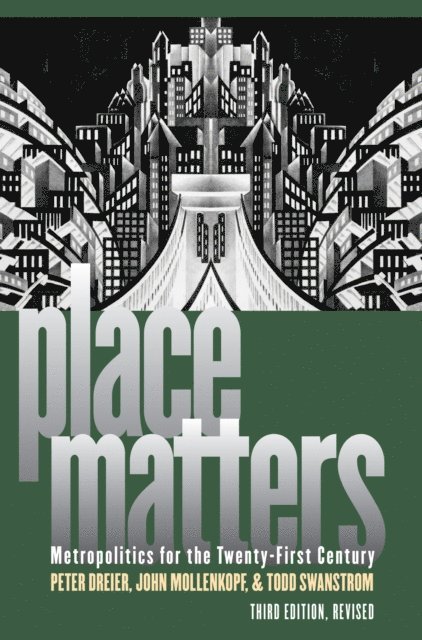
How can the United States create the political will to address our major urban problems—poverty, unemployment, crime, traffic congestion, toxic pollution, education, energy consumption, and housing, among others? That’s the basic question addressed by the new edition of this award-winning book. Thoroughly revised and updated for its third edition, Place Matters examines the major trends and problems shaping our cities and suburbs, explores a range of policy solutions to address them, and looks closely at the potential political coalitions needed to put the country’s “urban crisis” back on the public agenda.
The problem of rising inequality is at the center of Place Matters. During the past several decades, the standard of living for the American middle class has stagnated, the number of poor people has reached its highest level since the 1960s, and the super-rich have dramatically increased their share of the nation’s wealth and income. At the same time, Americans have grown further apart in terms of where they live, work, and play. This trend—economic segregation—no longer simply reflects the racial segregation between white suburbs and minority cities. In cities and suburbs alike, poor, middle class, and wealthy Americans now live in separate geographic spaces.
The authors have updated the case studies and examples used to illustrate the book’s key themes, incorporated the latest Census data, and drawn on exit polls and other data to examine the voting patterns and outcomes of the 2012 elections. They have expanded their discussion of how American cities are influenced by and influence global economic and social forces and how American cities compare with their counterparts in other parts of the world. And they draw upon the latest research and case studies not only to examine the negative impacts of income inequality and economic segregation, but also assess the efforts that civic and community groups, unions, business, and government are making to tackle them.
Fully up to date and far richer and more provocative, this new version surpasses its previous editions and will continue to be an essential volume for all who study urban politics and care about our cities.
746 kr
Skickas inom 10-15 vardagar
257 kr
Skickas inom 10-15 vardagar
396 kr
Läs direkt efter köp
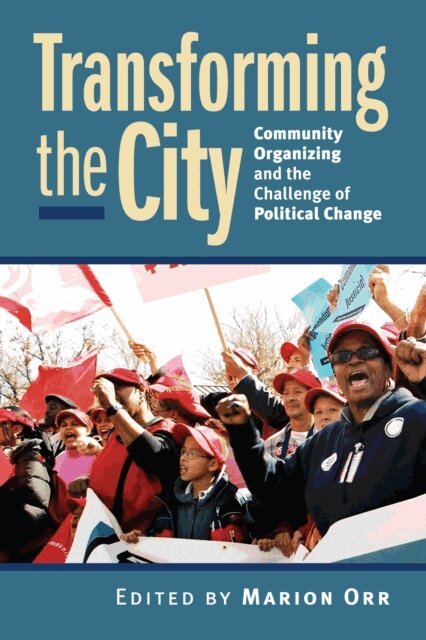
As an avenue for progressive politics in a nation still skeptical of change, community organizing today faces significant challenges. This book assesses that activity within the context of political, cultural, social, and economic changes in cities—from World War II to the present—to show how community-based organizations have responded to these challenges.
Transforming the City is the first book to examine the current state of community organizing in American cities, analyzing its place in contemporary progressive politics and assessing whether it has changed in response to changes in the political economy. Leading urban scholars from a wide range of disciplines offer original commentaries on the strengths and limitations of community organizing, a form of political and civic engagement that is too often overlooked by those who bemoan the decline in social capital.
While embracing community organizing as a way to cope with the problems afflicting inner cities, these essays acknowledge the challenges inherent in globalization, de-industrialization, the demise of ward-based politics, and the values that shape contemporary American culture. They argue that larger changes in the political economy have reshaped the local ecology of civic engagement, thereby affecting the focus, orientation, and effectiveness of community organizing.
The book features case studies from Chicago to New Orleans to El Paso, covering community organizations from many organizing networks and models, such as ACORN, IAF, PICO, and DART. These cases address key policy areas such as education and housing, and the role of race in these issues and in organizing in general. By examining the actual practice of this form of democratic politics, they also show the potential of community organizing for addressing concerns about Americans’ disengagement from civic and political life.
Whether pursuing longstanding problems about housing or more recent issues such as wages paid by big-box retailers, community organizing continues to have an important role to play as part of a broader progressive movement. As America decides what kind of society it wants to be, these insightful articles illuminate those larger trends in the local ecology that are forcing organizers to alter their strategies, operations, and visions for the future.
297 kr
Skickas inom 10-15 vardagar
160 kr
Läs direkt efter köp
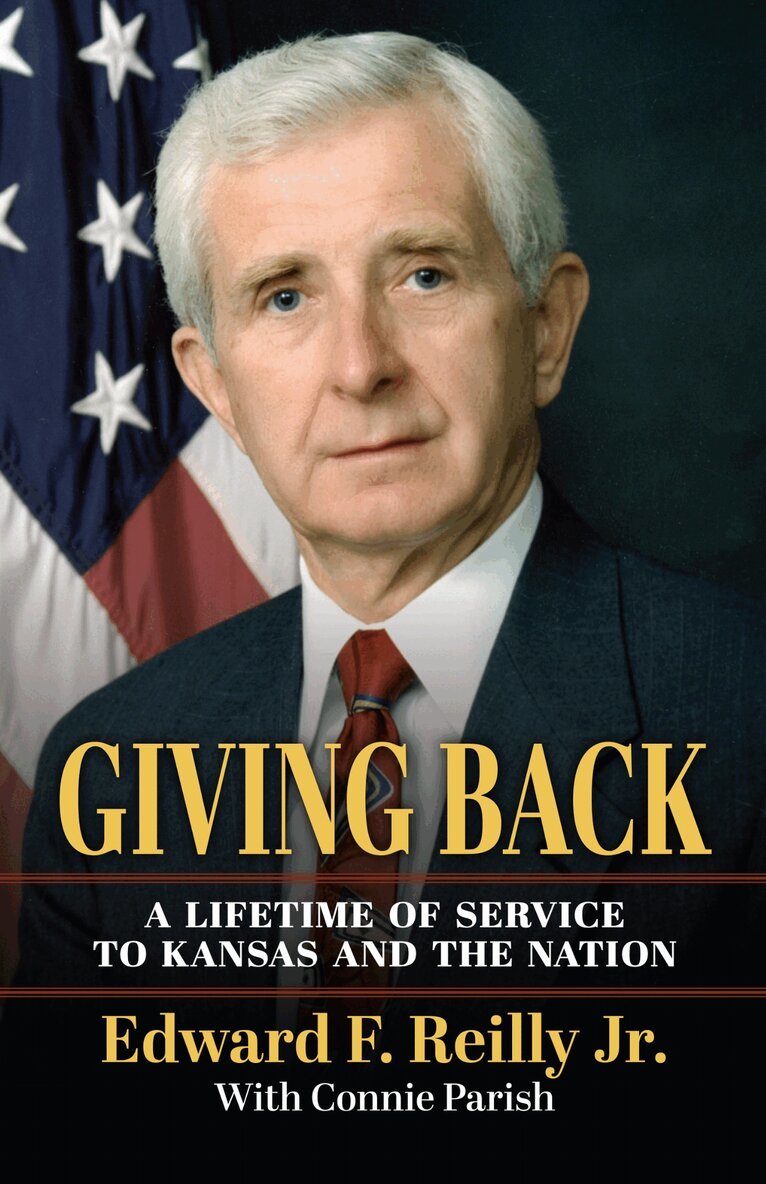
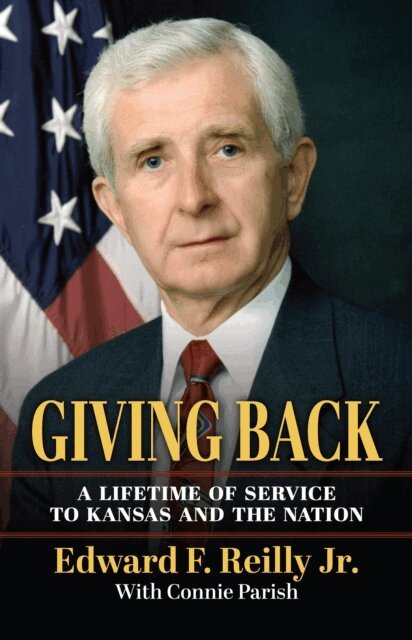
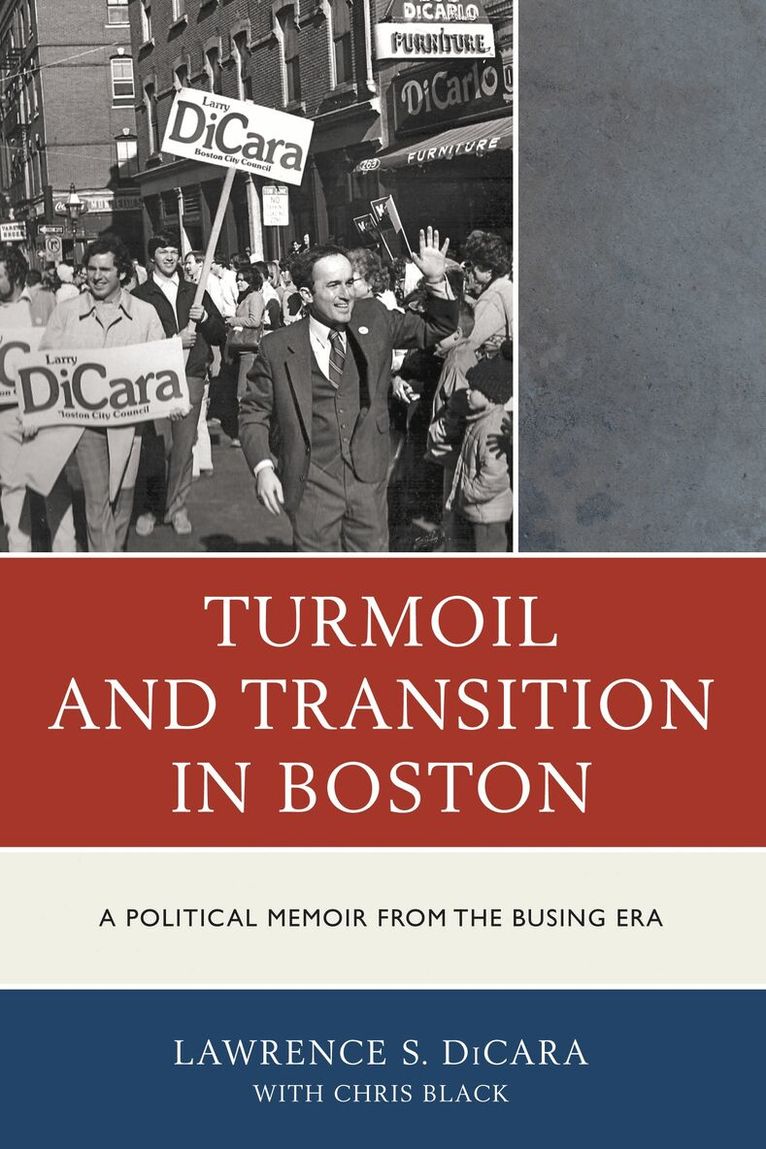
A political memoir of a life lived in service that’s a testament to fairness and bipartisanship.
A native of Leavenworth, Kansas, Ed Reilly has always felt the call to serve the people of his state and his country. His life in politics began early: he became a member of the Kansas House of Representatives in 1963 at the age of twenty-six. After less than a year as “Representative Ed,” he crossed to the other side of the rotunda and served in the Kansas Senate for the next twenty-nine years.
Reilly played a considerable role in changing Kansas’s political and legal landscape, especially in issues involving state corrections and the penal system. As the chairman of the Committee on Federal and State Affairs, Senator Reilly repeatedly championed legislation on capital punishment, as well as pari-mutuel, liquor by the drink, and the Equal Rights Amendment.
In 1992, President George H. W. Bush appointed Reilly chairman of the United States Parole Commission. During his time in Washington, DC, Reilly faced his greatest political and personal challenges, yet remained a steadfast public servant.Ed Reilly’s life and career stand as a legacy of leadership and service. The stories and lessons he offers in this memoir showcase admirable spirit of fairness and willingness to compromise, and offer potent lessons for those in the area of public life.
159 kr
Läs direkt efter köp
724 kr
Skickas inom 10-15 vardagar
566 kr
Skickas inom 10-15 vardagar
796 kr
Skickas inom 10-15 vardagar
495 kr
Skickas inom 10-15 vardagar
Information, Technology, and Transformation
2 550 kr
Skickas inom 10-15 vardagar
Information, Technology, and Transformation
761 kr
Skickas inom 10-15 vardagar
2 787 kr
Skickas inom 10-15 vardagar