1 327 kr
Skickas inom 10-15 vardagar
1 327 kr
Skickas inom 10-15 vardagar
436 kr
Läs direkt efter köp
436 kr
Läs direkt efter köp
410 kr
Skickas inom 10-15 vardagar
1 327 kr
Skickas inom 10-15 vardagar
439 kr
Läs direkt efter köp
439 kr
Läs direkt efter köp
410 kr
Skickas inom 10-15 vardagar
1 327 kr
Skickas inom 10-15 vardagar
436 kr
Läs direkt efter köp
439 kr
Läs direkt efter köp
410 kr
Skickas inom 10-15 vardagar
1 327 kr
Skickas inom 10-15 vardagar
410 kr
Skickas inom 10-15 vardagar
1 188 kr
Skickas inom 10-15 vardagar
406 kr
Kommande
1 188 kr
Skickas inom 10-15 vardagar
725 kr
Läs direkt efter köp
Bringing together authors from a range of academic disciplines and research backgrounds – united as standard-bearers for the child’s right to play – and set against a backdrop evoking play’s critical essence, this book documents the rise and fall of an explosive period of political interest in play in the UK.
Has the withdrawal of so much state funding damaged the playwork profession forever? Has the battle for recognition of the significance of play in child development been lost? Why is children’s happiness always so low on the agendas of our politicians? The invaluable contributions in this book identify the lessons learned, and the opportunities that may be available to those determined to maintain the struggle for a greater recognition of the importance of children’s play in an era defined by the oppressive politics of austerity. This book was originally published as a special issue of the International Journal of Play.
833 kr
Läs direkt efter köp
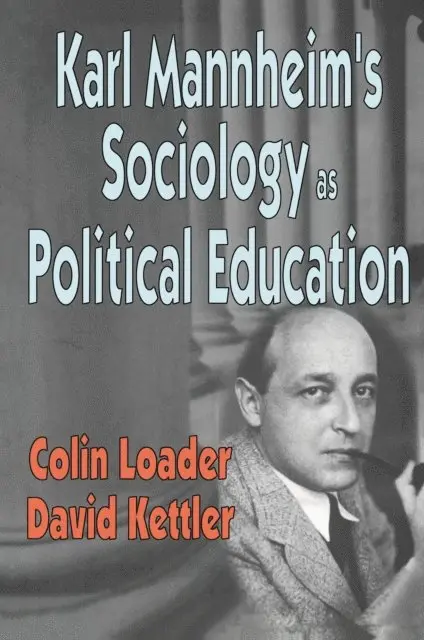
German professors and academic intellectuals are often blamed for their passivity or complicity in the face of the anti-Republican surge of the late Weimar years, culminating in the National Socialist rise to power. Karl Mannheim was a preeminent member of a vital minority committed to making German universities contribute to democratization. Mannheim argued that traditional German emphasis on the cultivation of individuals rooted in a certain high culture had to be adapted to a more egalitarian, socially complex community. He advocated teaching of sociology to create social awareness to inspire informed political judgments. Karl Mannheim''s Sociology as Political Education situates Mannheim in the Weimar debates about sociology in the university. It shows how his project of political education for democracy informs his work as well as his relations with liberal, fascist, and orthodox Marxist thinkers.
In advancing his educational strategy, Mannheim had to contend, with influential figures who attacked sociology as a mere political device to undermine cultural and national values for the sake of narrow interests and partisanship. He also had to overcome the objections of fellow sociologists, who felt the discipline would prosper only if it could persuade other academics that it made no claim to educational goals beyond the reproduction of technical findings. He had to separate himself from proponents of a politicized sociology. Mannheim argued that sociology should respond to problems that actually confronted individuals in their lives, be tolerant of difference and distance, and support efforts to generate agreement rather than encourage competition. Sociological thought had to be rigorous, critical, and attentive to evidence, but also congruent with the ultimate responsibility of individuals to fashion their lives through their acts.
Karl Mannheim''s Sociology as Political Education is a joint effort by two authors who have written separately on Karl Mannheim''s sociological work and who write from different disciplines and traditions of commentary. The Mannheim who emerges from this volume is remarkably contemporary. In particular, he supports arguments that the threat to academic integrity is feared less in sociology than in certain areas of cultural studies. Certainly the issue of academic politicization was better understood by Mannheim in his time than it is by either side of the debate today.
852 kr
Läs direkt efter köp
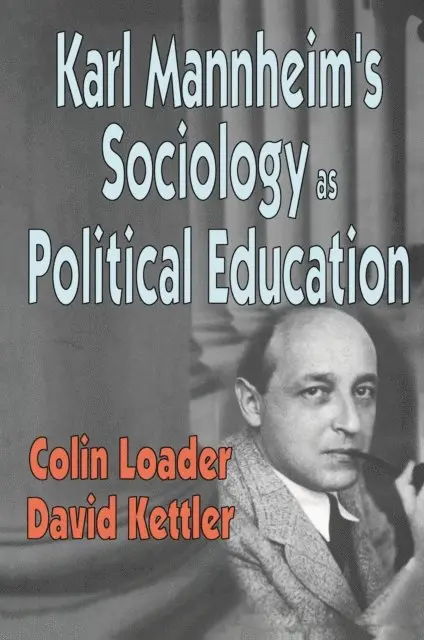
German professors and academic intellectuals are often blamed for their passivity or complicity in the face of the anti-Republican surge of the late Weimar years, culminating in the National Socialist rise to power. Karl Mannheim was a preeminent member of a vital minority committed to making German universities contribute to democratization. Mannheim argued that traditional German emphasis on the cultivation of individuals rooted in a certain high culture had to be adapted to a more egalitarian, socially complex community. He advocated teaching of sociology to create social awareness to inspire informed political judgments. Karl Mannheim''s Sociology as Political Education situates Mannheim in the Weimar debates about sociology in the university. It shows how his project of political education for democracy informs his work as well as his relations with liberal, fascist, and orthodox Marxist thinkers.
In advancing his educational strategy, Mannheim had to contend, with influential figures who attacked sociology as a mere political device to undermine cultural and national values for the sake of narrow interests and partisanship. He also had to overcome the objections of fellow sociologists, who felt the discipline would prosper only if it could persuade other academics that it made no claim to educational goals beyond the reproduction of technical findings. He had to separate himself from proponents of a politicized sociology. Mannheim argued that sociology should respond to problems that actually confronted individuals in their lives, be tolerant of difference and distance, and support efforts to generate agreement rather than encourage competition. Sociological thought had to be rigorous, critical, and attentive to evidence, but also congruent with the ultimate responsibility of individuals to fashion their lives through their acts.
Karl Mannheim''s Sociology as Political Education is a joint effort by two authors who have written separately on Karl Mannheim''s sociological work and who write from different disciplines and traditions of commentary. The Mannheim who emerges from this volume is remarkably contemporary. In particular, he supports arguments that the threat to academic integrity is feared less in sociology than in certain areas of cultural studies. Certainly the issue of academic politicization was better understood by Mannheim in his time than it is by either side of the debate today.
926 kr
Läs direkt efter köp
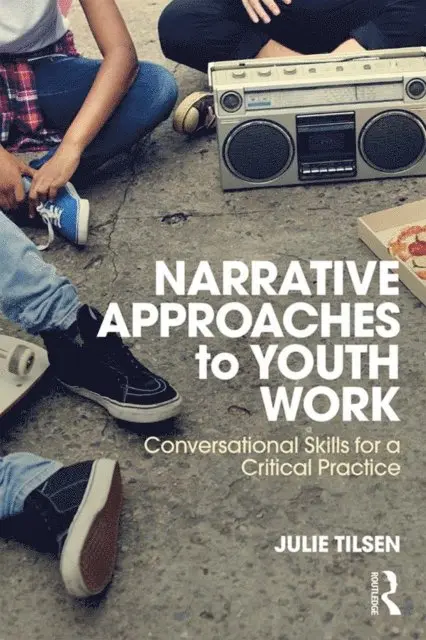
This is the book that youth workers who want to put into practice their desire to "meet youth where they’re at" have been waiting for. Narrative Approaches to Youth Work provides hope-filled and fresh conversational practices anchored in a critical intersectional analysis of power and a relational ethic of care. These practices help youth workers answer the all-too-common question, what do I do when I do youth work? The concepts and skills presented in this book position youth workers to do youth work in ways that honor youth agency and resistance to oppression, invite a multiplicity of possibilities, and situate youth and youth workers alike within broader social contexts that influence their lives and their relationship together.
Drawing on the author’s 30-plus years of working alongside young people and training youth workers in contexts ranging from recreation centers to homeless shelters, this book provides a rich and deliberate mix of theoretical grounding, practical application, real-life vignettes, and questions for in-depth self-reflection. Throughout Narrative Approaches to Youth Work, readers hear from a wise and thoughtful squad of youth workers talking about how they strive to do socially just, accountable, critical youth work.
768 kr
Läs direkt efter köp
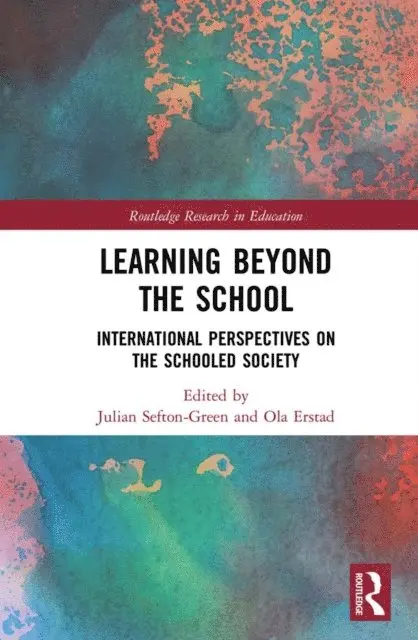
Whilst learning is central to most understandings of what it is to be human, we now live in a knowledge society where being educated defines life chances more than ever before. Learning Beyond the School brings together accounts of learning from around the world in organisations, spaces and places that are schooled, but not school. Exploring examples of learning organisation, pedagogisation, informal learning and social education, the book shows not only how understandings of education are framed in terms of local versions of schooling, but what being educated could and should mean in very different social and political contexts.
With contributions from scholars based in Australia, Europe, the USA, Latin America and Asia, the book brings together accounts of learning outside of school. Chapters contain rich and detailed case studies of innovative projects, new kinds of learning institutions, youth, peer-driven and community-based activities and public pedagogies, as well as engaging with the dimensions of an argument about the place and nature of learning outside of the school. It challenges dominant versions of school around the world, whilst also critically discussing the value and place of non-institutionalised learning.
Learning Beyond the School should be of interest to academics, researchers, postgraduate scholars engaged in the study of comparative education, youth work, education systems, digital culture, sociology of education and youth development. It should also be essential reading for practitioners and policymakers who are interested in youth and education system reform.
786 kr
Läs direkt efter köp
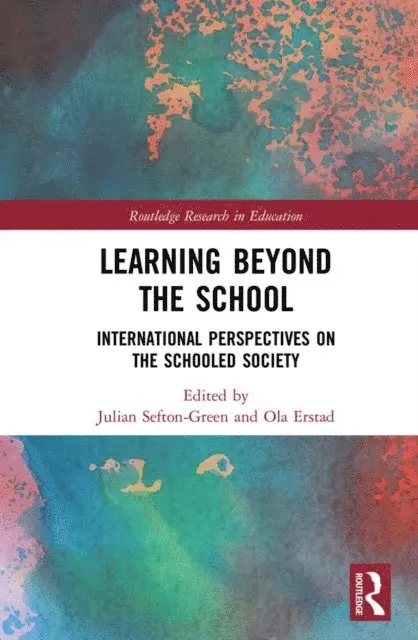
Whilst learning is central to most understandings of what it is to be human, we now live in a knowledge society where being educated defines life chances more than ever before. Learning Beyond the School brings together accounts of learning from around the world in organisations, spaces and places that are schooled, but not school. Exploring examples of learning organisation, pedagogisation, informal learning and social education, the book shows not only how understandings of education are framed in terms of local versions of schooling, but what being educated could and should mean in very different social and political contexts.
With contributions from scholars based in Australia, Europe, the USA, Latin America and Asia, the book brings together accounts of learning outside of school. Chapters contain rich and detailed case studies of innovative projects, new kinds of learning institutions, youth, peer-driven and community-based activities and public pedagogies, as well as engaging with the dimensions of an argument about the place and nature of learning outside of the school. It challenges dominant versions of school around the world, whilst also critically discussing the value and place of non-institutionalised learning.
Learning Beyond the School should be of interest to academics, researchers, postgraduate scholars engaged in the study of comparative education, youth work, education systems, digital culture, sociology of education and youth development. It should also be essential reading for practitioners and policymakers who are interested in youth and education system reform.
606 kr
Skickas inom 3-6 vardagar
Introductory Readings
1 058 kr
Skickas inom 7-10 vardagar
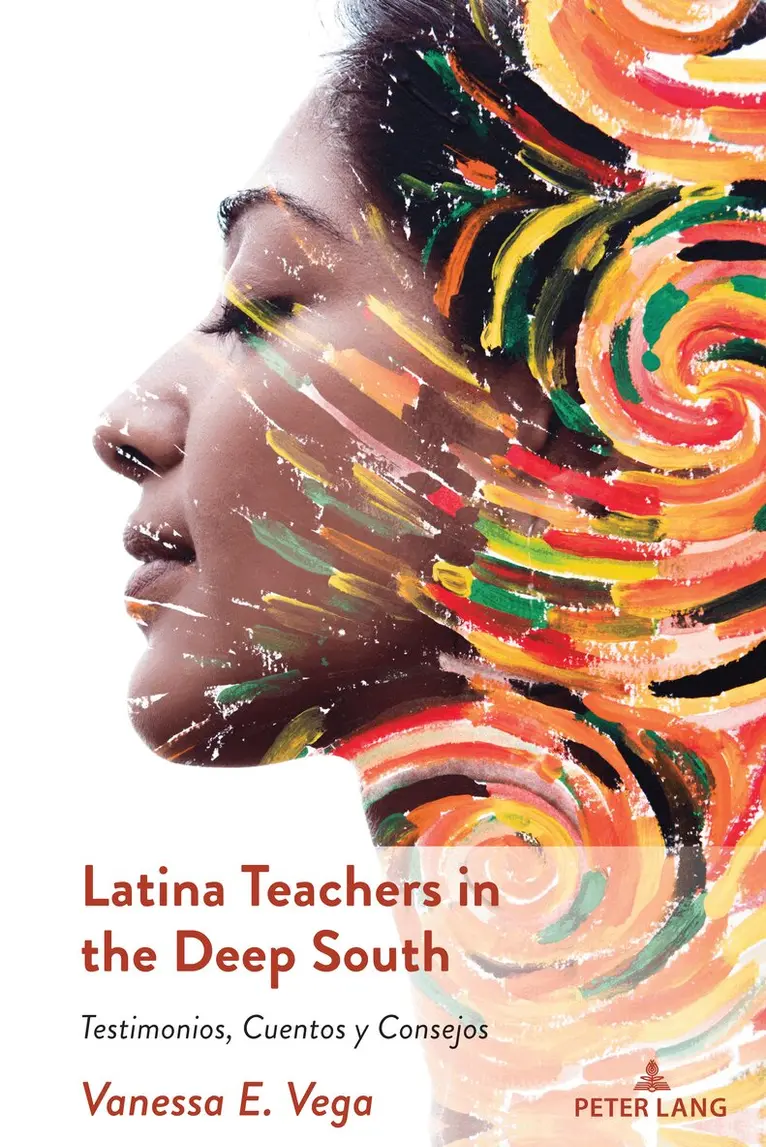
Testimonios, Cuentos y Consejos
1 105 kr
Skickas inom 7-10 vardagar
Testimonios, Cuentos y Consejos
411 kr
Skickas inom 7-10 vardagar
A Learner-Centered Lifespan Approach
402 kr
Skickas inom 7-10 vardagar
A Learner-Centered Lifespan Approach
1 074 kr
Skickas inom 7-10 vardagar