1 360 kr
Skickas inom 10-15 vardagar
1 360 kr
Skickas inom 10-15 vardagar
1 400 kr
Skickas
1 576 kr
Läs direkt efter köp
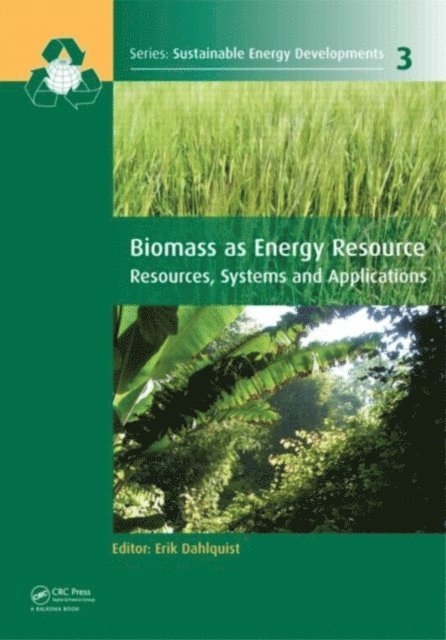
Global energy use is approximately 140 000 TWh per year. Interestingly, biomass production amounts to approximately 270 000 TWh per year, or roughly twice as much, whereas the official figure of biomass use for energy applications is 10-13% of the global energy use. This shows that biomass is not a marginal energy resource but more than capable of meeting all our energy and food needs, provided it is used efficiently. The use of food in generating energy has been extensively debated, but there is actually no need for it given the comprehensive resources available from agriculture and forestry waste.
This book discusses the biomass resources available and aspects like efficient energy use. One way of using energy efficiently is to use waste biomass or cellulosic materials in biorefineries, where production of fibers and products from fibers is combined with production of most chemicals we need in our daily life. Such products include clothes, soap, perfume, medicines etc. Conventional pulp and paper applications, bio-fuel for vehicles and even fuel for aviation as well as heat and power production are covered. The problem with biomass is not availability, but the difficulty to use the resources efficiently without harming the long-term productivity. This book covers all types of resources on a global scale, making it unique. Many researchers from all over the world have contributed to give a good coverage of all the different international perspectives.
This book will provide facts and inspiration to professionals, engineers, researchers, and students as well as to those working for various authorities and organizations.
946 kr
Läs direkt efter köp
791 kr
Läs direkt efter köp
430 kr
Skickas inom 7-10 vardagar
1 307 kr
Skickas inom 3-6 vardagar
448 kr
Skickas inom 7-10 vardagar
1 241 kr
Skickas inom 7-10 vardagar
316 kr
Skickas inom 7-10 vardagar
662 kr
Läs direkt efter köp
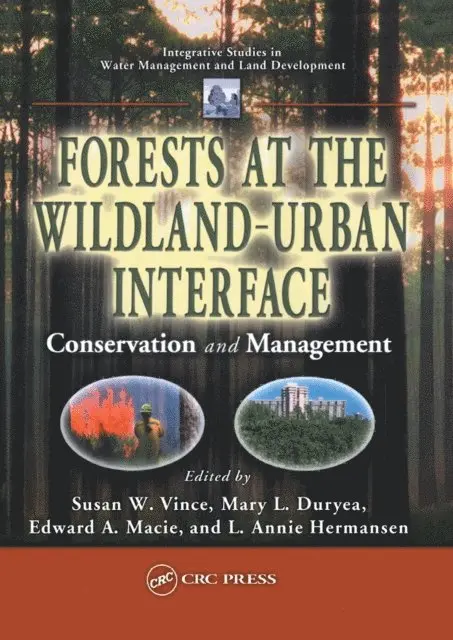
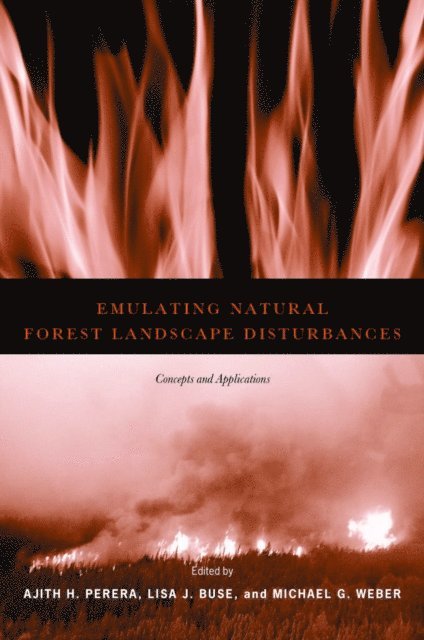
What is a natural forest disturbance? How well do we understand natural forest disturbances and how might we emulate them in forest management? What role does emulation play in forest management? Representing a range of geographic perspectives from across Canada and the United States, this book looks at the escalating public debate on the viability of natural disturbance emulation for sustaining forest landscapes from the perspective of policymakers, forestry professionals, academics, and conservationists. This book provides a scientific foundation for justifying the use of and a solid framework for examining the ambiguities inherent in emulating natural forest landscape disturbance. It acknowledges the divergent expectations that practitioners face and offers a balanced view of the promises and challenges associated with applying this emerging forest management paradigm.The first section examines foundational concepts, addressing questions of what emulation involves and what ecological reasoning substantiates it. These include a broad overview, a detailed review of emerging forest management paradigms and their global context, and an examination of the ecological premise for emulating natural disturbance. This section also explores the current understanding of natural disturbance regimes, including the two most prevalent in North America: fire and insects. The second section uses case studies from a wide geographical range to address the characterization of natural disturbances and the development of applied templates for their emulation through forest management. The emphasis on fire regimes in this section reflects the greater focus that has traditionally been placed on understanding and managing fire, compared with other forms of disturbance, and utilizes several viewpoints to address the lessons learned from historical disturbance patterns. Reflecting on current thinking in the field, immediate challenges, and potential directions, the final section moves deeper into the issues of practical applications by exploring the expectations for and feasibility of emulating natural disturbance through forest management.
411 kr
Läs direkt efter köp
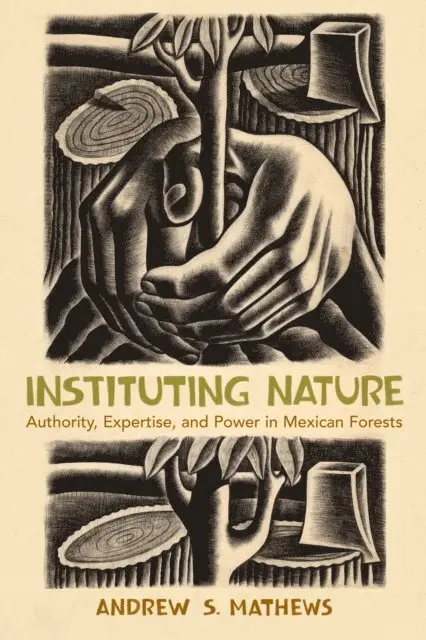
A study of how encounters between forestry bureaucrats and indigenous forest managers in Mexico produced official knowledge about forests and the state.
Greater knowledge and transparency are often promoted as the keys to solving a wide array of governance problems. In Instituting Nature, Andrew Mathews describes Mexico''s efforts over the past hundred years to manage its forests through forestry science and biodiversity conservation. He shows that transparent knowledge was produced not by official declarations or scientists'' expertise but by encounters between the relatively weak forestry bureaucracy and the indigenous people who manage and own the pine forests of Mexico. Mathews charts the performances, collusions, complicities, and evasions that characterize the forestry bureaucracy. He shows that the authority of forestry officials is undermined by the tension between local realities and national policy; officials must juggle sweeping knowledge claims and mundane concealments, ambitious regulations and routine rule breaking. Moving from government offices in Mexico City to forests in the state of Oaxaca, Mathews describes how the science of forestry and bureaucratic practices came to Oaxaca in the 1930s and how local environmental and political contexts set the stage for local resistance. He tells how the indigenous Zapotec people learned the theory and practice of industrial forestry as employees and then put these skills to use when they become the owners and managers of the area''s pine forests—eventually incorporating forestry into their successful claims for autonomy from the state. Despite the apparently small scale and local contexts of this balancing act between the power of forestry regulations and the resistance of indigenous communities, Mathews shows that it has large implications—for how we understand the modern state, scientific knowledge, and power and for the global carbon markets for which Mexican forests might become valuable.
361 kr
Läs direkt efter köp
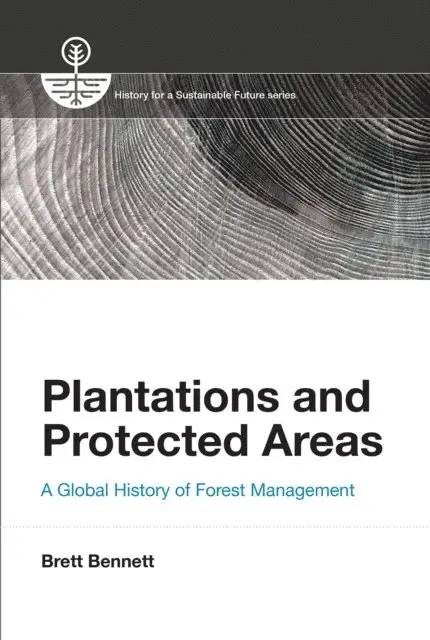
How global forest management shifted from an integrated conservation model to a bifurcated system of timber plantations and protected areas.
Today, the world''s forests are threatened by global warming, growing demand for wood products, and increasing pressure to clear tropical forests for agricultural use. Economic globalization has enabled Western corporations to export timber processing jobs and import cheap wood products from developing countries. Timber plantations of exotic, fast-growing species supply an ever-larger amount of the world''s wood. In response, many countries have established forest areas protected from development. In this book, Brett Bennett views today''s forestry issues from a historical perspective. The separation of wood production from the protection of forests, he shows, stems from entangled environmental, social, political, and economic factors. This divergence—driven by the concomitant intensification of production and creation of vast protected areas—is reshaping forest management systems both public and private.
Bennett shows that plantations and protected areas evolved from, and then undermined, an earlier integrated forest management system that sought both to produce timber and to conserve the environment. He describes the development of the science and profession of forestry in eighteenth- and nineteenth-century Europe; discusses the twentieth-century creation of timber plantations in the Americas, Asia, Africa, and Australia; and examines the controversies over deforestation that led to the establishment of protected areas. Bennett argues that the problems associated with the bifurcation of forest management—including the loss of forestry knowledge necessary to manage large ecosystems for diverse purposes—suggest that a more integrated model would be preferable.
868 kr
Skickas inom 10-15 vardagar
509 kr
Skickas inom 10-15 vardagar
727 kr
Skickas inom 7-10 vardagar
558 kr
Skickas inom 7-10 vardagar
620 kr
Läs direkt efter köp
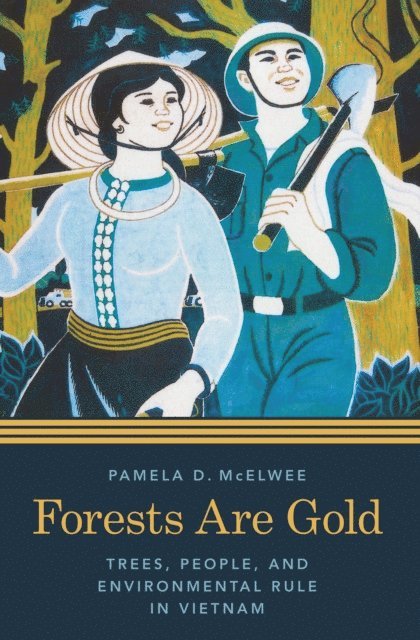
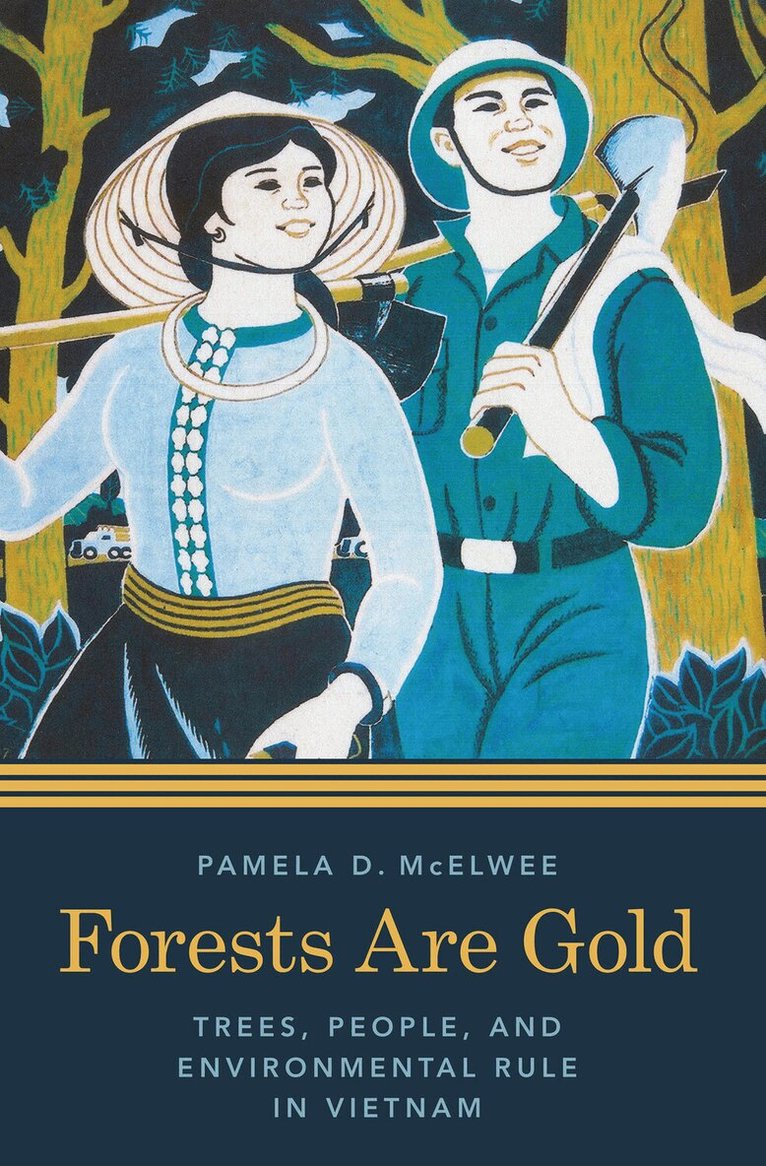
Forests Are Gold examines the management of Vietnam''s forests in the tumultuous twentieth century—from French colonialism to the recent transition to market-oriented economics—as the country united, prospered, and transformed people and landscapes. Forest policy has rarely been about ecology or conservation for nature’s sake, but about managing citizens and society, a process Pamela McElwee terms “environmental rule.” Untangling and understanding these practices and networks of rule illuminates not just thorny issues of environmental change, but also the birth of Vietnam itself.
618 kr
Skickas inom 7-10 vardagar
511 kr
Skickas inom 3-6 vardagar
1 819 kr
Skickas inom 3-6 vardagar
1 767 kr
Skickas inom 3-6 vardagar
279 kr
Skickas inom 10-15 vardagar
415 kr
Skickas inom 7-10 vardagar
925 kr
Skickas inom 7-10 vardagar
489 kr
Läs direkt efter köp
2 208 kr
Skickas inom 10-15 vardagar
2 208 kr
Skickas inom 10-15 vardagar
887 kr
Skickas inom 10-15 vardagar
2 208 kr
Skickas inom 10-15 vardagar