260 kr
Skickas inom 7-10 vardagar
260 kr
Skickas inom 7-10 vardagar
1 895 kr
Skickas inom 7-10 vardagar
440 kr
Skickas inom 7-10 vardagar
257 kr
Skickas inom 3-6 vardagar
379 kr
Skickas inom 7-10 vardagar
1 281 kr
Skickas inom 7-10 vardagar
The Science & Solutions - the 2nd Edition
1 051 kr
Skickas inom 7-10 vardagar
Regenerative Soil is considered by experts to be the most comprehensive and readable book on soil available for gardeners and farmers alike!!
260 kr
Skickas inom 7-10 vardagar
158 kr
Skickas inom 7-10 vardagar
296 kr
Skickas inom 3-6 vardagar
473 kr
Skickas inom 3-6 vardagar
265 kr
Skickas inom 7-10 vardagar
143 kr
Läs direkt efter köp
147 kr
Läs direkt efter köp
214 kr
Skickas inom 3-6 vardagar
1 473 kr
Skickas inom 11-20 vardagar
Safety and Practice for Organic Food covers current food safety issues and trends. It provides detailed information on all organic and pasture practices including produce-only, farm-animal-only or integrated crop-livestock farming, as well as the impact of these practices on food safety and foodborne infections. The book explores food products that organic, integrated and traditional farming systems are contributing to consumers. As the demand for organic food products grows faster than ever, this book discusses current and improved practices for safer products. Moreover, the book explores progressive directions, such as the application of next-generation sequencing and genomics to aid in the understanding of the microbial ecology of the agro-environment and how farmer education can contribute to sustainable and safe food. Safety and Practice for Organic Food is a unique source of organic agricultural practices and food production for researchers, academics and professionals at agriculture-based universities and colleges who are involved in food science, animal sciences including poultry science, food safety, food microbiology, plant science and agricultural extension. This book is also an excellent source of information for regulators and federal government officials (USDA, FDA, EPA) and the food processing industry.
Discusses limitations in pre-harvest and post-harvest level practices with specific information on risk and bio-security of existing organic production systems Explores policies and guidelines for organic food production and future directions for safer and more sustainable management Presents microbial and other biological hazards at pre-harvest and post-harvest levels2 492 kr
Skickas inom 11-20 vardagar
Organic Farming: Global Perspectives and Methods explores the core definition and concepts of organic farming in sustainability, its influence on the ecosystem, the significance of seed, soil management, water management, weed management, the significance of microorganisms in organic farming, livestock management, and waste management. The book provides readers with a basic idea of organic farming that presents advancements in the field and insights on the future. Written by a team of global experts, and with the aim of providing a current understanding of organic farming, this resource is valuable for researchers, graduate students, and post-doctoral fellows from academia and research institutions.
Presents the basic principles of organic farming and sustainable development Discusses the role of soil in organic agriculture Addresses various strategies in seed processing and seed storing, seed bed preparation, watering of seeds and seed quality improvement Includes updated information on organic fertilizers and their preparation techniques2 148 kr
Skickas inom 11-20 vardagar
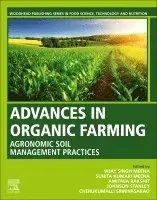
Advances in Organic Farming: Agronomic Soil Management Practices focuses on the integrated interactions between soil-plant-microbe-environment elements in a functioning ecosystem. It explains sustainable nutrient management under organic farming and agriculture, with chapters focusing on the role of nutrient management in sustaining global ecosystems, the remediation of polluted soils, conservation practices, degradation of pollutants, biofertilizers and biopesticides, critical biogeochemical cycles, potential responses for current and impending environmental change, and other critical factors. Organic farming is both challenging and exciting, as its practice of "feeding the soil, not the plant� provides opportunity to better understand why some growing methods are preferred over others.
In the simplest terms, organic growing is based on maintaining a living soil with a diverse population of micro and macro soil organisms. Organic matter (OM) is maintained in the soil through the addition of compost, animal manure, green manures and the avoidance of excess mechanization.
Presents a comprehensive overview of recent advances and new developments in the field OF research within a relevant theoretical framework Highlights the scope of the inexpensive and improved management practices Focuses on the role of nutrient management in sustaining the ecosystems537 kr
Läs direkt efter köp
537 kr
Läs direkt efter köp
268 kr
Skickas inom 5-8 vardagar
195 kr
Läs direkt efter köp
196 kr
Läs direkt efter köp
1 043 kr
Skickas inom 3-6 vardagar
108 kr
Läs direkt efter köp
198 kr
Lyssna direkt efter köp
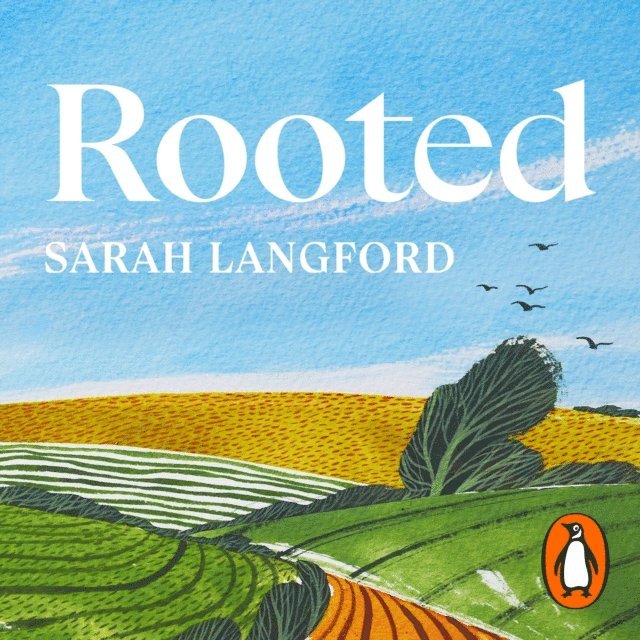
Brought to you by Penguin.A fascinating personal account of a revolution in British farmingSarah Langford had left her country roots behind to live and work in the city as a barrister. But when she found herself moving to the countryside, back to an agricultural life she had left behind, she saw farmers dealing with very different problems to those faced by her grandfather, who had fed a starving nation after war. Beleaguered with the challenges of climate change, Brexit and falling incomes, they faced accusations of ecological mismanagement from a hostile media and public. But, as Sarah looked to them to teach her about the land, she also found a new generation of farmers on a path of regenerative change.In Rooted, Sarah weaves her own story around these farmers - from dairy to arable, traditional to experimental - who taught her what being a farmer means. Intimate and moving, these stories shine a light on the human side of modern farming, and show us how land connects us all, not only in terms of global sustainability but in our relationships with our physical and mental health, our communities, our planet and ourselves.An authentic, beautifully written portrait of 21st Century farming, this deeply personal account puts a powerful case: that the task of restoring our earth and ensuring a sustainable future both for our food and ourselves, lies in the hands of those who live closest to the land.© Sarah Langford 2022 (P) Penguin Audio 2022
542 kr
Skickas inom 7-10 vardagar
593 kr
Läs direkt efter köp
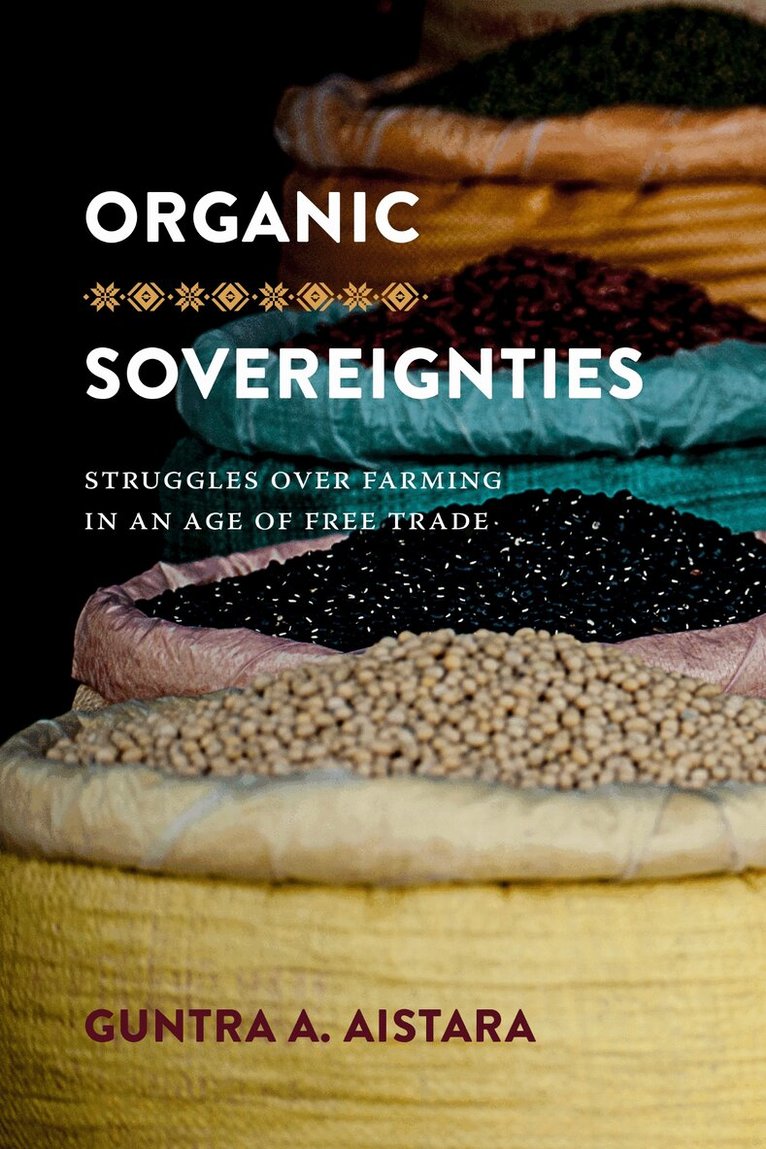
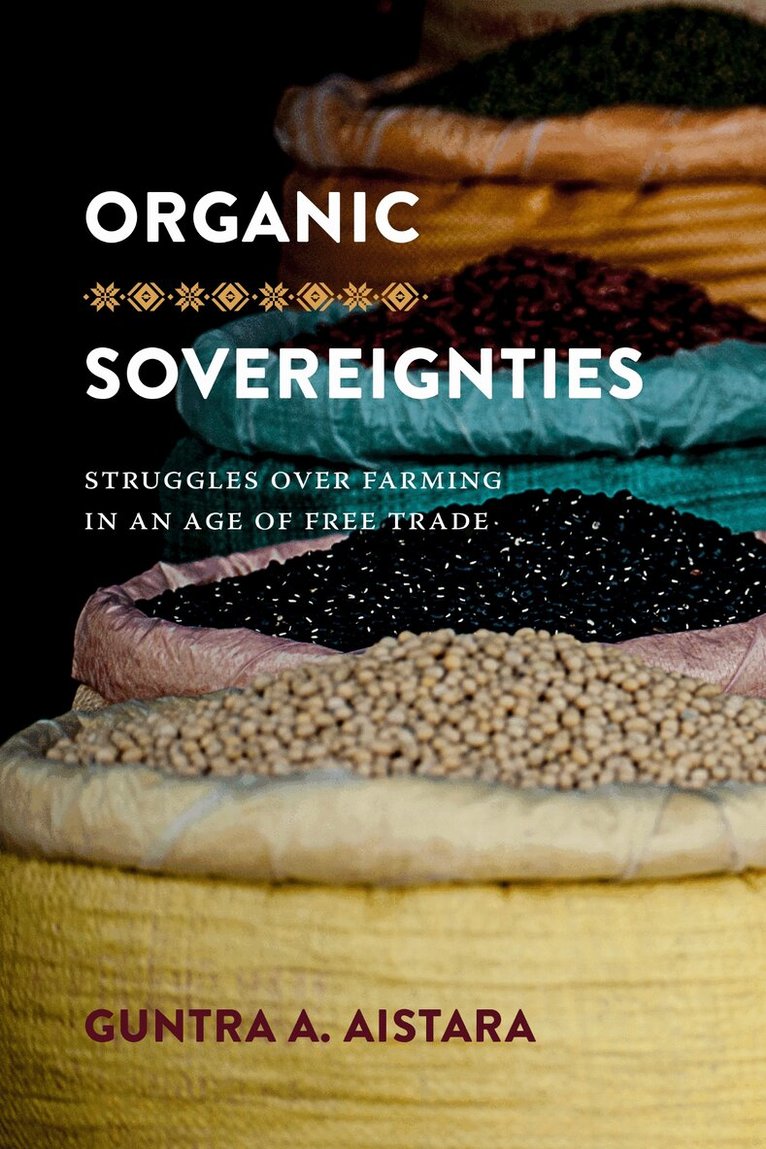
This first sustained ethnographic study of organic agriculture outside the United States traces its meanings, practices, and politics in two nations typically considered worlds apart: Latvia and Costa Rica. Situated on the frontiers of the European Union and the United States, these geopolitically and economically in-between places illustrate ways that international treaties have created contradictory pressures for organic farmers.Organic farmers in both countries build multispecies networks of biological and social diversity and create spaces of sovereignty within state and suprastate governance bodies. Organic associations in Central America and Eastern Europe face parallel challenges in balancing multiple identities as social movements, market sectors, and NGOs while finding their place in regions and nations reshaped by world events.
475 kr
Läs direkt efter köp
1 256 kr
Skickas inom 11-20 vardagar
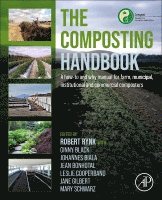
The Composting Handbook provides a single guide to the science, principles and best practices of composting for large-scale composting operations facing a variety of opportunities and challenges converting raw organic materials into a useful and marketable product.
Composting is a well-established and increasingly important method to recycle and add value to organic by-products. Many, if not most, of the materials composting treats are discarded materials that would otherwise place a burden on communities, industries, farms and the environment. Composting converts these materials into a valuable material, compost, that regenerates soils improving soils for plant growth and environmental conservation.
The Composting Handbook expands on previously available resources by incorporating new information, new subjects and new practices, drawing its content from current scientific principles, research, engineering and industry experience. In both depth and breadth, it covers the knowledge that a compost producer needs to succeed. Topics include the composting process, methods of composting, equipment, site requirements, environmental issues and impacts, business knowledge, safety, and the qualities, uses and markets for the compost products.
The Composting Handbook is an invaluable reference for composting facility managers and operators, prospective managers and operators, regulators, policy makers, environmental advocates, educators, waste generators and managers and generally people interested in composting as a business or a solution. It is also appropriate as a textbook for college courses and a supplemental text for training courses about composting or organic waste management.
Created in conjunction with the Compost Research and Education Foundation (CREF) Includes the latest information on composting and compost, providing the first comprehensive resource in decades Written with focus on both academic and industrial insights and advances