300 kr
Skickas inom 7-10 vardagar
300 kr
Skickas inom 7-10 vardagar
1 157 kr
Kommande
337 kr
Läs direkt efter köp
3 635 kr
Kommande
860 kr
Skickas inom 10-15 vardagar
1 585 kr
Skickas inom 10-15 vardagar
1 456 kr
Kommande
Introduction to Biomedical Engineering, Fourth Edition is a comprehensive survey text for biomedical engineering courses. It is the most widely adopted text across the BME course spectrum, valued by instructors and students alike for its authority, clarity and encyclopedic coverage in a single volume. Biomedical engineers need to understand the wide range of topics that are covered in this text, including basic mathematical modeling, anatomy and physiology, electrical engineering, signal processing and instrumentation, biomechanics, biomaterials science, tissue engineering and medical and engineering ethics. The authors tackle these core topics at a level appropriate for senior undergraduate students and graduate students who are either majoring in BME or studying it as a combined course with a related engineering, biology or life science, or medical/pre-medical course.
Features revised and updated chapters throughout on current research and developments in biomaterials, tissue engineering, biosensors, physiological modeling and biosignal processingContains more worked examples and end-of-chapter exercises than previous editionsProvides a historical look at the major developments across biomedical domains and covers the fundamental principles underlying biomedical engineering analysis, modeling and designIncludes online bonus chapters on rehabilitation engineering and assistive technology, genomics and bioinformatics, and computational cell biology and complexity244 kr
Skickas inom 3-6 vardagar
255 kr
Skickas inom 3-6 vardagar
918 kr
Skickas inom 3-6 vardagar
2 580 kr
Skickas inom 3-6 vardagar
2 320 kr
Läs direkt efter köp
The population balance modeling is a statistical approach for achieving accurate counts of any populations. It is an efficient way of counting traffic on roadways as well as to bacteria in lakes. In the biomedical world, it is used to count cell populations for the creation of biomaterials. Despite their undisputed accuracy, they have been underutilized for design and control purposes due to two main reasons: a) they are hard to solve and b) the functions that describe single-cell mechanisms and appear as parameters in these models are typically unknown.
1 923 kr
Skickas inom 3-6 vardagar
Publisher's Note: Products purchased from Third Party sellers are not guaranteed by the publisher for quality, authenticity, or access to any online entitlements included with the product.
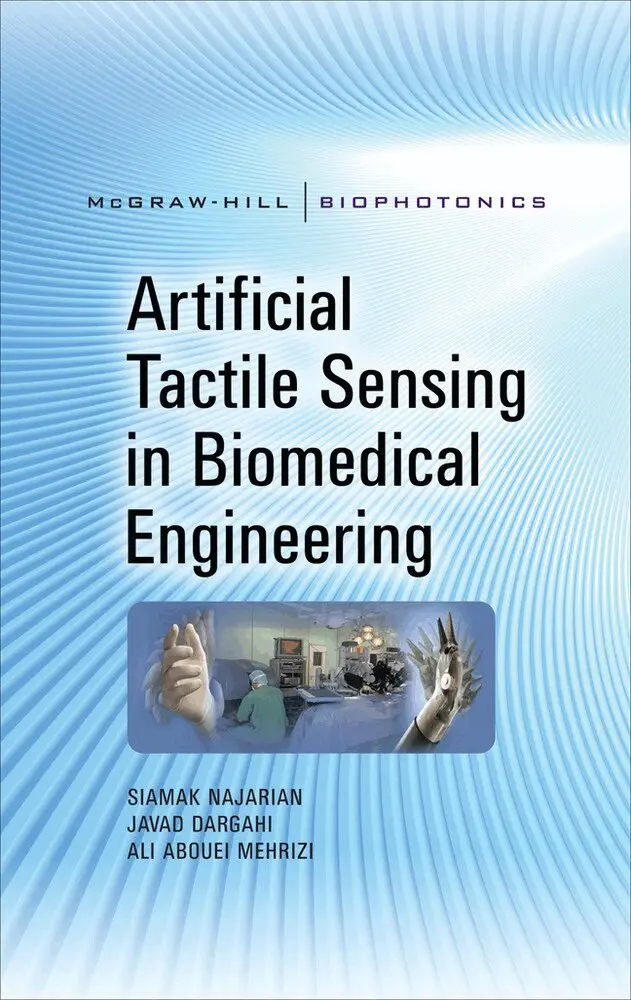
Master Artificial Tactile Sensing Design for Biomedical Engineering ApplicationsFilled with high-quality photographs and illustrations, including some in color, this definitive guide details the design and manufacturing of artificial tactile systems and their applications in surgical procedures. Artificial Tactile Sensing in Biomedical Engineering explains the fundamentals of the human sense of touch and the latest techniques for artificially replicating it. The book describes the mechanistic principles of static and dynamic tactile sensors and discusses cutting-edge biomedical applications, including minimally invasive surgery, tumor detection, robotic surgery, and surgical simulations.
Artificial Tactile Sensing in Biomedical Engineering covers:
Capacitive, magnetic, inductive, conductive elastomeric, optical, and thermal sensorsStrain gauge and piezoelectric sensorsTactile sensing in surgery and palpationTactile image information through palpationTumor detection via artificial tactile sensingEstimating tumor parameters using the finite element method and an artificial neural networkDetermination of mechanical properties of biological tissuesTactile sensing in remote and robotic surgeryHaptics application in surgical simulation2 550 kr
Läs direkt efter köp
Publisher''s Note: Products purchased from Third Party sellers are not guaranteed by the publisher for quality, authenticity, or access to any online entitlements included with the product.
Master Artificial Tactile Sensing Design for Biomedical Engineering ApplicationsFilled with high-quality photographs and illustrations, including some in color, this definitive guide details the design and manufacturing of artificial tactile systems and their applications in surgical procedures. Artificial Tactile Sensing in Biomedical Engineering explains the fundamentals of the human sense of touch and the latest techniques for artificially replicating it. The book describes the mechanistic principles of static and dynamic tactile sensors and discusses cutting-edge biomedical applications, including minimally invasive surgery, tumor detection, robotic surgery, and surgical simulations.
Artificial Tactile Sensing in Biomedical Engineering covers:
Capacitive, magnetic, inductive, conductive elastomeric, optical, and thermal sensorsStrain gauge and piezoelectric sensorsTactile sensing in surgery and palpationTactile image information through palpationTumor detection via artificial tactile sensingEstimating tumor parameters using the finite element method and an artificial neural networkDetermination of mechanical properties of biological tissuesTactile sensing in remote and robotic surgeryHaptics application in surgical simulation1 646 kr
Läs direkt efter köp
Cutting-edge coverage of stem cell biology and applications
Featuring contributions from leading global experts, this authoritative volume addresses all major areas of stem cell biology and their potential therapeutic applications. The first part of the book covers embryonic stem cells and contains details on the emerging field of embryonic stem cell-based drug screening platforms. The second part deals with multipotent adult stem cells from different tissue types, and covers unique concepts such as cancer stem cells and tissue engineering-based approaches for designing microenvironments for tissue regeneration. Eighty pages of inserts with 113 color figures are included in this pioneering work.
Coverage includes:
Zebrafish, medaka, chicken embryonic, and mouse embryonic stem cellsDerivation of human embryonic stem cells (hESCs) from blastocystsTreating diabetes with hESCshESCs as a model system to study human geneticsApplication of hESCs in drug discoveryAdult stem cells for regenerative medicine and cancer therapiesMesenchymal stem cells for neurodegenerative disease therapiesDental pulp, hematopoietic, and spermatogonial stem cellsEpigenetic regulators of stem cell pluripotencyCancer stem cells3 291 kr
Läs direkt efter köp
A State-of-the-Art Guide to Biomedical Engineering and Design Fundamentals and Applications
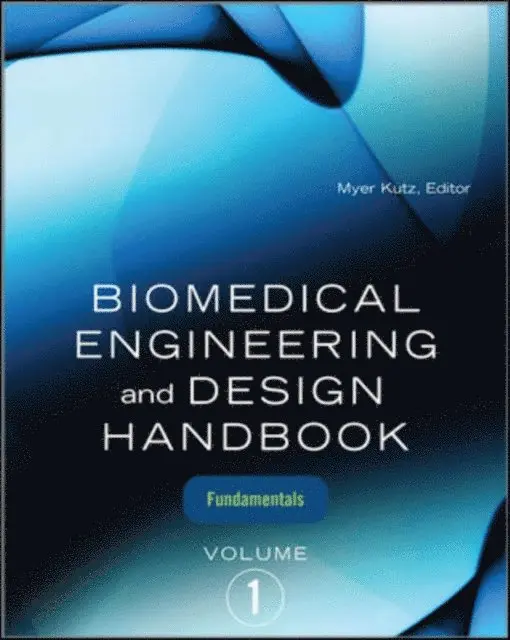
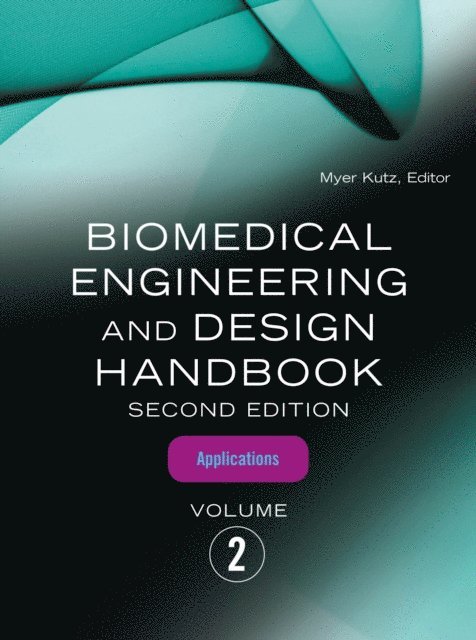
The two-volume Biomedical Engineering and Design Handbook, Second Edition offers unsurpassed coverage of the entire biomedical engineering field, including fundamental concepts, design and development processes, and applications. This landmark work contains contributions on a wide range of topics from nearly 80 leading experts at universities, medical centers, and commercial and law firms.
Volume 1 focuses on the basics of biomedical engineering, including biomedical systems analysis, biomechanics of the human body, biomaterials, and bioelectronics. Filled with more than 500 detailed illustrations, this superb volume provides the foundational knowledge required to understand the design and development of innovative devices, techniques, and treatments.
Volume 2 provides timely information on breakthrough developments in medical device design, diagnostic equipment design, surgery, rehabilitation engineering, prosthetics design, and clinical engineering. Filled with more than 400 detailed illustrations, this definitive volume examines cutting-edge design and development methods for innovative devices, techniques, and treatments.
Volume 1 covers:
Modeling and Simulation of Biomedical SystemsBioheat TransferPhysical and Flow Properties of BloodRespiratory Mechanics and Gas ExchangeBiomechanics of the Respiratory MusclesBiomechanics of Human MovementBiomechanics of the Musculoskeletal SystemBiodynamicsBone MechanicsFinite Element AnalysisVibration, Mechanical Shock, and ImpactElectromyographyBiopolymersBiomedical CompositesBioceramicsCardiovascular BiomaterialsDental MaterialsOrthopaedic BiomaterialsBiomaterials to Promote Tissue RegenerationBioelectricityBiomedical Signal AnalysisBiomedical Signal ProcessingIntelligent Systems and BioengineeringBioMEMSVolume 2 covers:
Medical Product DesignFDA Medical Device RequirementsCardiovascular DevicesDesign of Respiratory DevicesDesign of Artificial KidneysDesign of Controlled-Release Drug Delivery SystemsSterile Medical Device Package DevelopmentDesign of Magnetic Resonance SystemsInstrumentation Design for Ultrasonic ImagingThe Principles of X-Ray Computed TomographyNuclear Medicine Imaging InstrumentationBreast Imaging SystemsSurgical Simulation TechnologiesComputer-Integrated Surgery and Medical RoboticsTechnology and DisabilitiesApplied Universal DesignDesign of Artificial Arms and Hands for Prosthetic ApplicationsDesign of Artificial Limbs for Lower Extremity AmputeesWear of Total Knee and Hip Joint ReplacementsHome Modification DesignIntelligent Assistive TechnologyRehabilitatorsRisk Management in HealthcareTechnology Planning for Healthcare InstitutionsHealthcare Facilities PlanningHealthcare Systems EngineeringEnclosed Habitat Life Support2 123 kr
Läs direkt efter köp
A State-of-the-Art Guide to Biomedical Engineering and Design Fundamentals and Applications
The two-volume Biomedical Engineering and Design Handbook, Second Edition offers unsurpassed coverage of the entire biomedical engineering field, including fundamental concepts, design and development processes, and applications. This landmark work contains contributions on a wide range of topics from nearly 80 leading experts at universities, medical centers, and commercial and law firms.
Volume 1 focuses on the basics of biomedical engineering, including biomedical systems analysis, biomechanics of the human body, biomaterials, and bioelectronics. Filled with more than 500 detailed illustrations, this superb volume provides the foundational knowledge required to understand the design and development of innovative devices, techniques, and treatments.
Volume 1 covers:
Modeling and Simulation of Biomedical SystemsBioheat TransferPhysical and Flow Properties of BloodRespiratory Mechanics and Gas ExchangeBiomechanics of the Respiratory MusclesBiomechanics of Human MovementBiomechanics of the Musculoskeletal SystemBiodynamicsBone MechanicsFinite Element AnalysisVibration, Mechanical Shock, and ImpactElectromyographyBiopolymersBiomedical CompositesBioceramicsCardiovascular BiomaterialsDental MaterialsOrthopaedic BiomaterialsBiomaterials to Promote Tissue RegenerationBioelectricityBiomedical Signal AnalysisBiomedical Signal ProcessingIntelligent Systems and BioengineeringBioMEMS2 123 kr
Läs direkt efter köp
A State-of-the-Art Guide to Biomedical Engineering and Design Fundamentals and Applications
The two-volume Biomedical Engineering and Design Handbook, Second Edition, offers unsurpassed coverage of the entire biomedical engineering field, including fundamental concepts, design and development processes, and applications. This landmark work contains contributions on a wide range of topics from nearly 80 leading experts at universities, medical centers, and commercial and law firms.
Volume 2 provides timely information on breakthrough developments in medical device design, diagnostic equipment design, surgery, rehabilitation engineering, prosthetics design, and clinical engineering. Filled with more than 400 detailed illustrations, this definitive volume examines cutting-edge design and development methods for innovative devices, techniques, and treatments.
Volume 2 covers:
Medical Product DesignFDA Medical Device RequirementsCardiovascular DevicesDesign of Respiratory DevicesDesign of Artificial KidneysDesign of Controlled-Release Drug Delivery SystemsSterile Medical Device Package DevelopmentDesign of Magnetic Resonance SystemsInstrumentation Design for Ultrasonic ImagingThe Principles of X-Ray Computed TomographyNuclear Medicine Imaging InstrumentationBreast Imaging SystemsSurgical Simulation TechnologiesComputer-Integrated Surgery and Medical RoboticsTechnology and DisabilitiesApplied Universal DesignDesign of Artificial Arms and Hands for Prosthetic ApplicationsDesign of Artificial Limbs for Lower Extremity AmputeesWear of Total Knee and Hip Joint ReplacementsHome Modification DesignIntelligent Assistive TechnologyRehabilitatorsRisk Management in HealthcareTechnology Planning for Healthcare InstitutionsHealthcare Facilities PlanningHealthcare Systems EngineeringEnclosed Habitat Life Support1 766 kr
Skickas inom 3-6 vardagar
Publisher's Note: Products purchased from Third Party sellers are not guaranteed by the publisher for quality, authenticity, or access to any online entitlements included with the product.
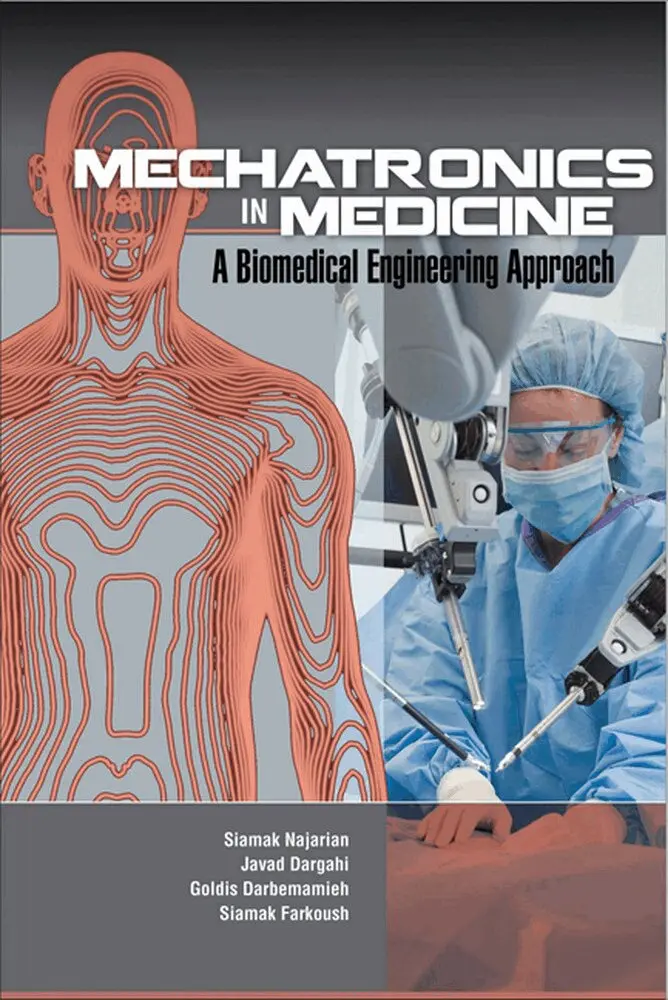
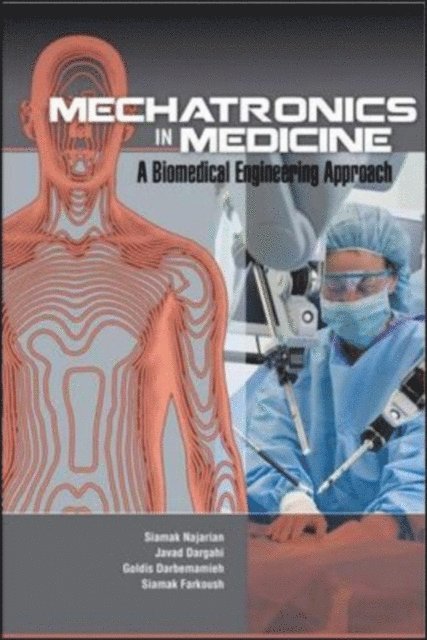
Cutting-edge coverage of mechatronics in medical systems
Mechatronics in Medicine: A Biomedical Engineering Approach describes novel solutions for utilizing mechatronics to design innovative, accurate, and intelligent medical devices and optimize conventional medical instruments. After an introduction to mechatronics, the book addresses sensing technologies, actuators and feedback sensors, mechanisms and mechanical devices, and processing and control systems. Artificial intelligence, expert systems, and medical imaging are also covered. This pioneering guide concludes by discussing applications of mechatronics in medicine and biomedical engineering and presenting seven real-world medical case studies.
In-depth details on:
Sensing technologyElectromechanical, fluid, pneumatic power, and other types of actuatorsFeedback sensorsMechanisms, mechanical devices, and their functionsPrinciples and methods of processing and controlling mechatronics systems Artificial intelligence, expert systems, artificial neural networks, fuzzy systems, and neuro fuzzy systemsMedical imaging, including ultrasound, MRI, CT scan, and nuclear imagingMedical case studies in mechatronics2 099 kr
Läs direkt efter köp
Cutting-edge coverage of mechatronics in medical systems
Mechatronics in Medicine: A Biomedical Engineering Approach describes novel solutions for utilizing mechatronics to design innovative, accurate, and intelligent medical devices and optimize conventional medical instruments. After an introduction to mechatronics, the book addresses sensing technologies, actuators and feedback sensors, mechanisms and mechanical devices, and processing and control systems. Artificial intelligence, expert systems, and medical imaging are also covered. This pioneering guide concludes by discussing applications of mechatronics in medicine and biomedical engineering and presenting seven real-world medical case studies.
In-depth details on:
Sensing technologyElectromechanical, fluid, pneumatic power, and other types of actuatorsFeedback sensorsMechanisms, mechanical devices, and their functionsPrinciples and methods of processing and controlling mechatronics systemsArtificial intelligence, expert systems, artificial neural networks, fuzzy systems, and neuro fuzzy systemsMedical imaging, including ultrasound, MRI, CT scan, and nuclear imagingMedical case studies in mechatronics4 623 kr
Läs direkt efter köp
Publisher''s Note: Products purchased from Third Party sellers are not guaranteed by the publisher for quality, authenticity, or access to any online entitlements included with the product.
The world''s most highly regarded reference text on the mechanisms and clinical management of blood diseases
A Doody''s Core Title for 2020!
Edition after edition, Williams Hematology has guided generations of clinicians, biomedical researchers, and trainees in many disciplines through the origins, pathophysiological mechanisms, and management of benign and malignant disorders of blood cells and coagulation proteins. It is acknowledged worldwide as the leading hematology resource, with editors who are internationally regarded for their research and clinical achievements and authors who are luminaries in their fields.
The Ninth Edition of Williams Hematology is extensively revised to reflect the latest advancements in basic science, translational pathophysiology, and clinical practice. In addition to completely new chapters, it features a full-color presentation that includes 700 photographs, 300 of which are new to this edition, and 475 illustrations. Recognizing that blood and marrow cell morphology is at the heart of diagnostic hematology, informative color images of the relevant disease topics are conveniently integrated into each chapter, allowing easy access to illustrations of cell morphology important to diagnosis.
Comprehensive in its depth and breath, this go-to textbook begins with the evaluation of the patient and progresses to the molecular and cellular underpinnings of normal and pathological hematology. Subsequent sections present disorders of the erythrocyte, granulocytes and monocytes, lymphocytes and plasma cells, malignant myeloid and lymphoid diseases, hemostasis and thrombosis, and transfusion medicine.
3 419 kr
Skickas inom 11-20 vardagar
Bioceramics 10 contains the proceedings of the 10th International Symposium on Ceramics in Medicine, held in Paris, France, in October 1997. These annual symposia bring together distinguished researchers in the fields of ceramics and medicine to exchange ideas and to discuss recent research results.
Bioceramics in medicine has become one of the more important fields of biomaterials. The clinical applications of bioceramics are numerous. In particular in areas such as orthopaedic surgery, dentistry and plastic surgery, but also E.N.T., percutaneous devices and embolisation materials. In addition to the many clinical applications, Bioceramics 10 deals with a range of fundamental subjects in depth.
This book will be an essential reference tool for both clinicians, academics and industrial researchers interested in the use of ceramics in medicine. The book will also be of great value to students and lecturers in materials science, biomedical engineering and orthopaedics. This volume contains 140 papers, more than 200 high quality photographs, and both author and keyword indexes.
Design and Structure-Property Relationships
1 687 kr
Skickas inom 11-20 vardagar
The materials industry has sought to observe and appreciate the relationship between structure, properties and function of these biological materials. A multidisciplinary approach, building on recent advances at the forefront of physics, chemistry and molecular biology, has been successful in producing many synthetic structures with interesting and useful properties.
Structural Biological Materials: Design and Structure-Property Relationships represents an invaluable reference in the field of biological materials science and provides an incisive view into this rapidly developing and increasingly important topic within materials science.
This book focuses on the study of three sub-groups of structural biological materials:
. Hard tissue engineering, focussing on cortical bone. Soft tissue engineering. Fibrous materials, particularly engineering with silk fibers.
The fundamental relationship between structure and properties, and certain aspects of design and engineering, are explored in each of the sub-groups. The importance of these materials, both in their intrinsic properties and specific functions, are illustrated with relevant examples. These depict the successful integration of material properties, architecture and shape, providing a wide range of optimised designs, tailored to specific functions.
Edited by Manuel Elices of the Universidad Politécnica de Madrid, Spain, this book is Volume 4 in the Pergamon Material Series.
1 110 kr
Skickas inom 11-20 vardagar
Modelling and Control in Biomedical Systems (including Biological Systems) was held in Reims, France, 20-22 August 2006. This Symposium was organised by the University of Reims Champagne Ardenne and the Soci�t� de l'Electricit�, de l'Electronique et des TIC (SEE).
The Symposium attracted practitioners in engineering, information technology, mathematics, medicine and biology, and other related disciplines, with authors from 24 countries. Besides the abstracts of the four plenary lectures, this volume contains the 92 papers that were presented by their authors at the Symposium.
The papers included two invited keynote presentations given by internationally prominent and well-recognised research leaders: Claudio Cobelli, whose talk is titled "Dynamic modelling in diabetes: from whole body to genes"; and Irving J. Bigio, whose talk is titled "Elastic scattering spectroscopy for non-invasive detection of cancer". Two prestigious industrial speakers were also invited to give keynote presentations: Terry O'Brien from LIDCO, whose talk is titled "LIDCO: From the laboratory to protocolized goal directed therapy"; and Lorenzo Quinzio of Philips, whose talk is titled "Clinical decision support in monitoring and information systems".
A valuable source of information on the state-of- the-art in Modelling and Control in Biomedical Systems Including abstracts of four plenary lectures, and 92 papers presented by their authors2 266 kr
Läs direkt efter köp
1 293 kr
Läs direkt efter köp
3 965 kr
Läs direkt efter köp
2 518 kr
Läs direkt efter köp
2 344 kr
Läs direkt efter köp
2 360 kr
Läs direkt efter köp