2 320 kr
Skickas inom 11-20 vardagar
2 320 kr
Skickas inom 11-20 vardagar
1 023 kr
Läs direkt efter köp
2 742 kr
Läs direkt efter köp
1 276 kr
Läs direkt efter köp
2 266 kr
Läs direkt efter köp
1 187 kr
Läs direkt efter köp
2 832 kr
Läs direkt efter köp
672 kr
Läs direkt efter köp
2 077 kr
Läs direkt efter köp
2 769 kr
Läs direkt efter köp
1 511 kr
Läs direkt efter köp
906 kr
Läs direkt efter köp
3 210 kr
Läs direkt efter köp
2 350 kr
Läs direkt efter köp
2 832 kr
Läs direkt efter köp
2 077 kr
Läs direkt efter köp
2 360 kr
Läs direkt efter köp
2 742 kr
Läs direkt efter köp
1 894 kr
Läs direkt efter köp
956 kr
Läs direkt efter köp
806 kr
Läs direkt efter köp
957 kr
Läs direkt efter köp
805 kr
Läs direkt efter köp
1 793 kr
Läs direkt efter köp
624 kr
Skickas inom 11-20 vardagar
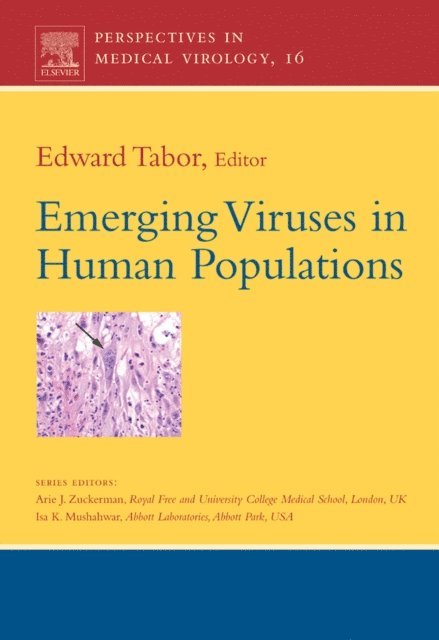
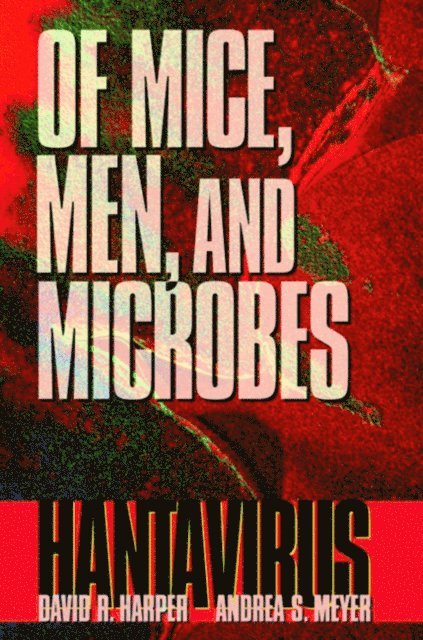
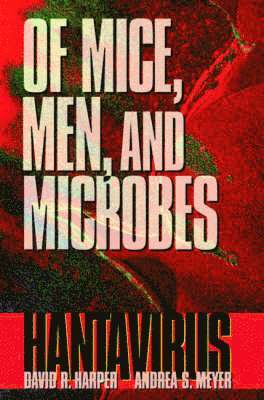
In May 1993, a cluster of cases of a lethal disease among healthy young people brought the attention of the world to the southwestern deserts. A previously unknown disease was killing up to 80% of the people it infected.
The reaction in the area and across the nation mixed fear, lack of information, and the struggles of doctors to save the victims of an unknown killer with hard science and the age old rhythmns of the desert. What came out was the story of a virus that had been killing since man arrived in the American continents, Hantavirus, with deadly relatives across the Americas and across the world. This book explains why and how the virus kills, and why it is still killing today. Why all of the science aimed at a virus identified back in 1993 has not brought a vaccine or a cure is part of the story, as is how that killer virus fits into the story of "new" diseases across the world.
The story of hantavirus disease, what has happened since that first outbreak, and what the real risks are is laid out by an experienced scientist and an award winning journalist living and working in the area of the 1993 outbreak.
Covers the full story of the recent hantavirus outbreak Includes interviews with survivors, and local reaction Presents the science in lay terms Places the event in the broader context of emerging diseases worldwide The only account which takes the reader beyond the initial outbreak in 1993-1994, bringing them up to late 1998 Discusses hantavirus disease in the U.S., Argentina, and Canada2 840 kr
Skickas inom 11-20 vardagar
2 304 kr
Skickas inom 11-20 vardagar
952 kr
Skickas inom 11-20 vardagar
1 924 kr
Skickas inom 11-20 vardagar
806 kr
Skickas inom 11-20 vardagar
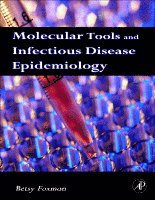
Molecular Tools and Infectious Disease Epidemiology examines the opportunities and methodologic challenges in the application of modern molecular genetic and biologic techniques to infectious disease epidemiology.
The application of these techniques dramatically improves the measurement of disease and putative risk factors, increasing our ability to detect and track outbreaks, identify risk factors and detect new infectious agents. However, integration of these techniques into epidemiologic studies also poses new challenges in the design, conduct, and analysis. This book presents the key points of consideration when integrating molecular biology and epidemiology; discusses how using molecular tools in epidemiologic research affects program design and conduct; considers the ethical concerns that arise in molecular epidemiologic studies; and provides a context for understanding and interpreting scientific literature as a foundation for subsequent practical experience in the laboratory and in the field.
The book is recommended for graduate and advanced undergraduate students studying infectious disease epidemiology and molecular epidemiology; and for the epidemiologist wishing to integrate molecular techniques into his or her studies.
Presents the key points of consideration when integrating molecular biology and epidemiologyDiscusses how using molecular tools in epidemiologic research affects program design and conductConsiders the ethical concerns that arise in molecular epidemiologic studiesProvides a context for understanding and interpreting scientific literature as a foundation for subsequent practical experience in the laboratory and in the field