1 286 kr
Skickas inom 10-15 vardagar
1 286 kr
Skickas inom 10-15 vardagar
525 kr
Skickas inom 10-15 vardagar
2 863 kr
Skickas inom 10-15 vardagar
3 586 kr
Skickas inom 10-15 vardagar
1 231 kr
Läs direkt efter köp
798 kr
Skickas inom 7-10 vardagar
4 423 kr
Skickas inom 10-15 vardagar
1 000 kr
Läs direkt efter köp
607 kr
Läs direkt efter köp
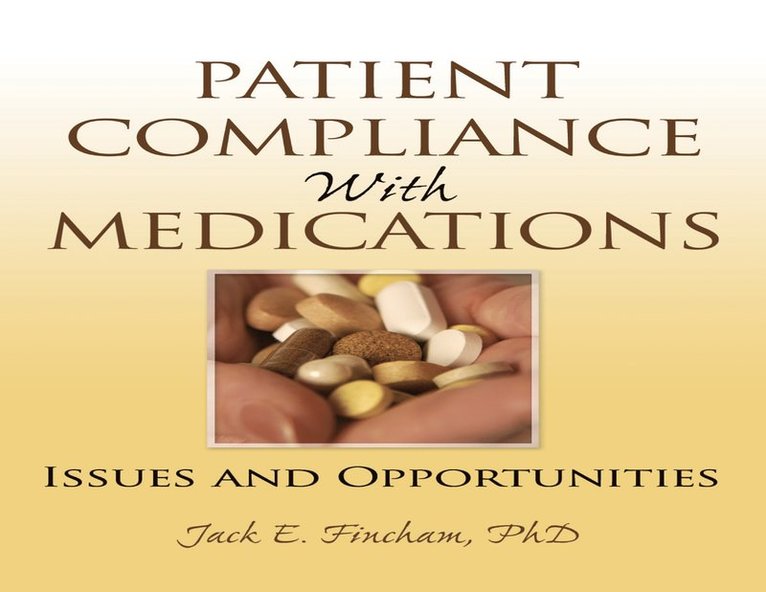
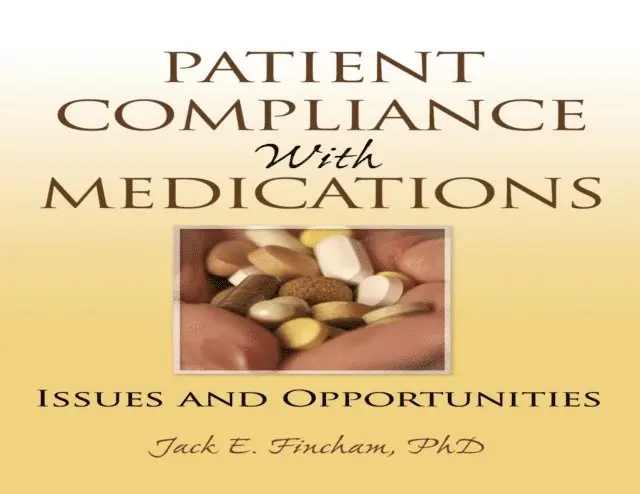
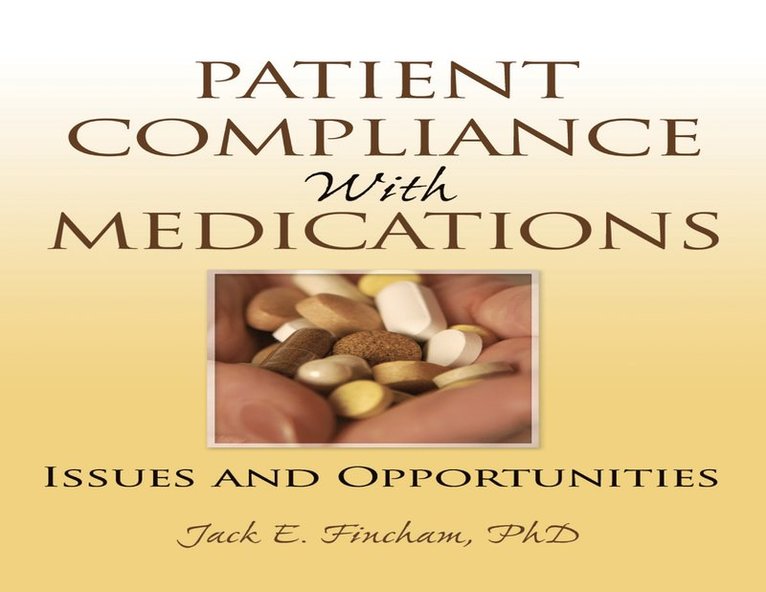
Improve your patient’s health through a fresh view of their behaviorsPatients who use over-the-counter (OTC) and prescription medicine often do not take the drugs as intended, sometimes to the detriment to their health and well-being. These widespread problems cause health professionals to agonize over how to try to make sure pati
886 kr
Läs direkt efter köp
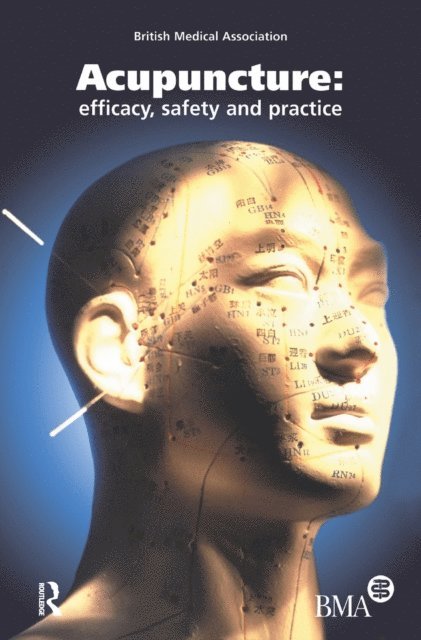
This book investigates the scientific basis and efficacy of acupuncture and the quality of training and standards of competence in its practitioners. Patients are increasingly asking about CAM alternatives to orthodox medical practices as they fear the side-effects of ever more potent traditional drug therapy.
The book discusses the important issues of safety and the education and training of acupuncture specialists. In addition the book investigates GP''s attitudes to acupunture and the extent to which they offer the treatment to their patients.
892 kr
Läs direkt efter köp
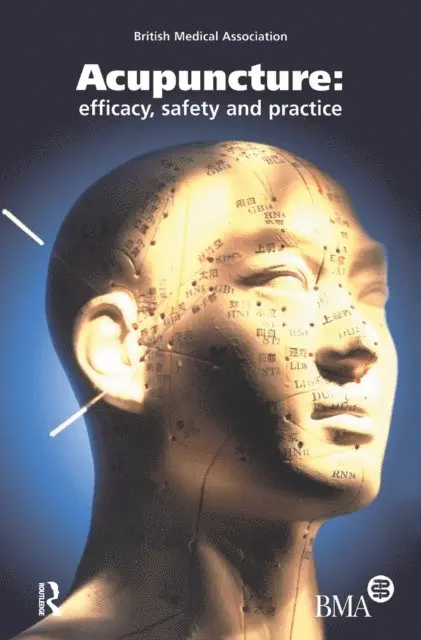
This book investigates the scientific basis and efficacy of acupuncture and the quality of training and standards of competence in its practitioners. Patients are increasingly asking about CAM alternatives to orthodox medical practices as they fear the side-effects of ever more potent traditional drug therapy.
The book discusses the important issues of safety and the education and training of acupuncture specialists. In addition the book investigates GP''s attitudes to acupunture and the extent to which they offer the treatment to their patients.
425 kr
Läs direkt efter köp
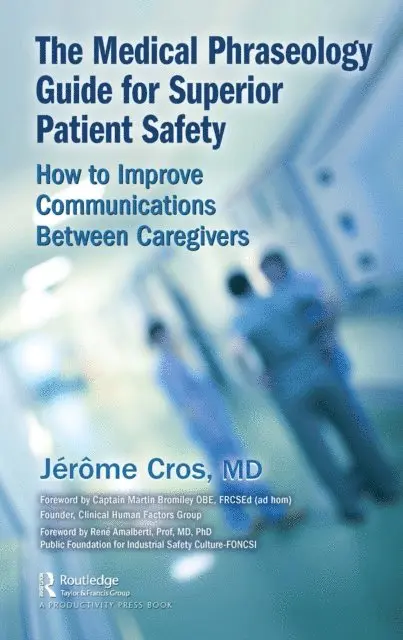
In patient care, inaccuracy often leads to error: the patient does not receive the right medication, the nurse is mistaken about the patient, the doctor is mistaken about the condition. Human error in care is now a well-known occurrence, and medicine has borrowed many tools from aviation to improve safety, such as simulation training, limitation of working time, use of checklists, and so forth. All these tools contribute to improving human factors in healthcare.
Often due to the lack of communication between professionals, healthcare accidents are avoidable. The only solution is the standardization of communication through phraseology. But make no mistake, the subject of communication is vast and much more complex to teach than we imagine. Communication is not only an exchange of words, of meaning, of a sender-receiver scheme; it also carries the essence of all social and cooperative life by its tone, by its moment, by the listening and availability it demands from the other person, by the words chosen, by those not said voluntarily, and those referred to as “tacit†(what we no longer need to say but the other guesses).
The Medical Phraseology Guide for Superior Patient Safety: How to Improve Communications Between Caregivers, through concrete and proven examples, gives readers the keys to improve communication with their healthcare colleagues. The author proposes 26 rules that are detailed and easy applicable in everyday life. These rules are inspired by the tools and checklist developed and used by commercial airline pilots. Today, more than ever, caregivers face new situations, and they have to adapt to caring for an unusual number of patients, sometimes in new environments. Given this new environment, it becomes clear that teamwork and communication are indispensable tools for improving efficiency and safety in patient care.
419 kr
Läs direkt efter köp
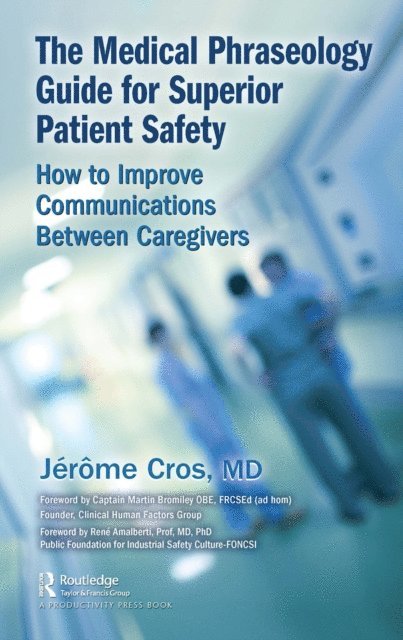
In patient care, inaccuracy often leads to error: the patient does not receive the right medication, the nurse is mistaken about the patient, the doctor is mistaken about the condition. Human error in care is now a well-known occurrence, and medicine has borrowed many tools from aviation to improve safety, such as simulation training, limitation of working time, use of checklists, and so forth. All these tools contribute to improving human factors in healthcare.
Often due to the lack of communication between professionals, healthcare accidents are avoidable. The only solution is the standardization of communication through phraseology. But make no mistake, the subject of communication is vast and much more complex to teach than we imagine. Communication is not only an exchange of words, of meaning, of a sender-receiver scheme; it also carries the essence of all social and cooperative life by its tone, by its moment, by the listening and availability it demands from the other person, by the words chosen, by those not said voluntarily, and those referred to as “tacit†(what we no longer need to say but the other guesses).
The Medical Phraseology Guide for Superior Patient Safety: How to Improve Communications Between Caregivers, through concrete and proven examples, gives readers the keys to improve communication with their healthcare colleagues. The author proposes 26 rules that are detailed and easy applicable in everyday life. These rules are inspired by the tools and checklist developed and used by commercial airline pilots. Today, more than ever, caregivers face new situations, and they have to adapt to caring for an unusual number of patients, sometimes in new environments. Given this new environment, it becomes clear that teamwork and communication are indispensable tools for improving efficiency and safety in patient care.
1 140 kr
Läs direkt efter köp
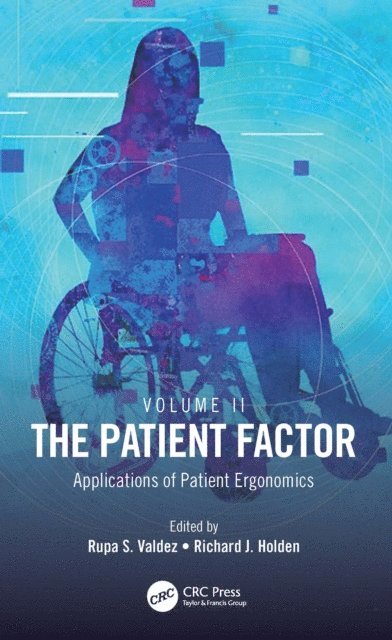
Patients are increasingly encouraged to take an active role in managing their health and health care. New technologies, cultural shifts, trends in healthcare delivery, and policies have brought to the forefront the "work" patients, families, and other non-professionals perform in the pursuit of health. This volume closely examines notable application areas for the emerging discipline of Patient Ergonomics – the science of patient work.
The Patient Factor: Applications of Patient Ergonomics, Volume II reviews the definition of Patient Ergonomics and discusses the application of Patient Ergonomics across contexts. It analyzes patient work performed in emergency departments, transitions of care, home and community settings, retail pharmacies, and online communities. It also examines applications to groups including veterans, pediatric patients, older adults, the underserved, and people engaged in health promotion.
The Patient Factor is ideal for academics working in health care and patient-centered research, their students, human factors practitioners working in healthcare organizations or at technology companies, frontline healthcare professionals, and leaders of healthcare delivery organizations.
1 177 kr
Läs direkt efter köp
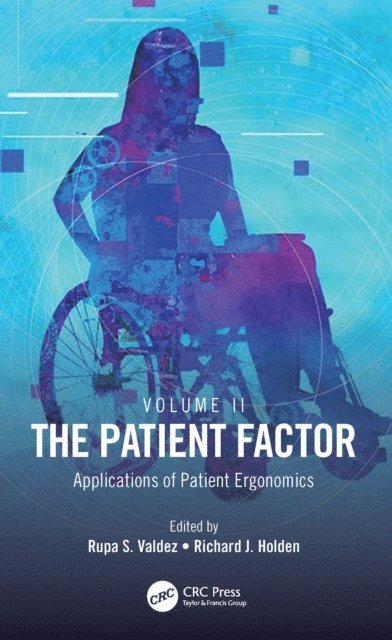
Patients are increasingly encouraged to take an active role in managing their health and health care. New technologies, cultural shifts, trends in healthcare delivery, and policies have brought to the forefront the "work" patients, families, and other non-professionals perform in the pursuit of health. This volume closely examines notable application areas for the emerging discipline of Patient Ergonomics – the science of patient work.
The Patient Factor: Applications of Patient Ergonomics, Volume II reviews the definition of Patient Ergonomics and discusses the application of Patient Ergonomics across contexts. It analyzes patient work performed in emergency departments, transitions of care, home and community settings, retail pharmacies, and online communities. It also examines applications to groups including veterans, pediatric patients, older adults, the underserved, and people engaged in health promotion.
The Patient Factor is ideal for academics working in health care and patient-centered research, their students, human factors practitioners working in healthcare organizations or at technology companies, frontline healthcare professionals, and leaders of healthcare delivery organizations.
1 045 kr
Läs direkt efter köp
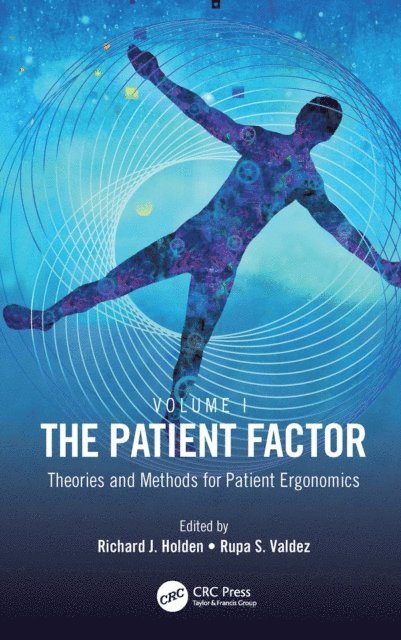
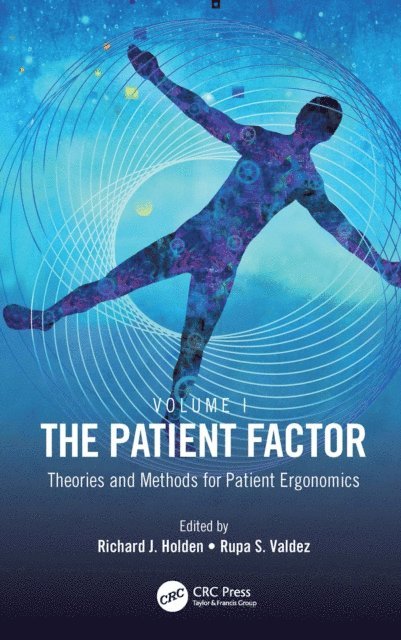
Patients are increasingly encouraged to take an active role in managing their health and health care. New technologies, cultural shifts, trends in healthcare delivery, and policies have brought to the forefront the "work" patients, families, and other non-professionals perform in pursuit of health. Volume I provides a theoretical and methodological foundation for the emerging discipline of Patient Ergonomics – the science of patient work.
The Patient Factor: Theories and Methods for Patient Ergonomics, Volume I defines Patient Ergonomics, explains its importance, and situates it in a broader historical and societal context. It reviews applicable theories and methods from human factors/ergonomics and related disciplines, across domains including consumer technology, patient-professional communication, self-care, and patient safety.
The Patient Factor is ideal for academics working in health care and patient-centered research, their students, human factors practitioners working in healthcare organizations or at technology companies, frontline healthcare professionals, and leaders of healthcare delivery organizations.
797 kr
Läs direkt efter köp
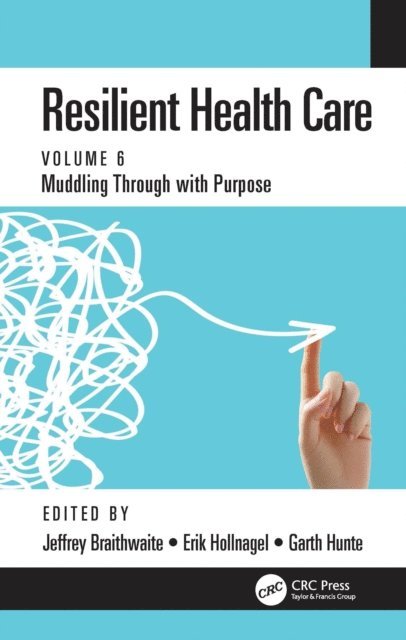
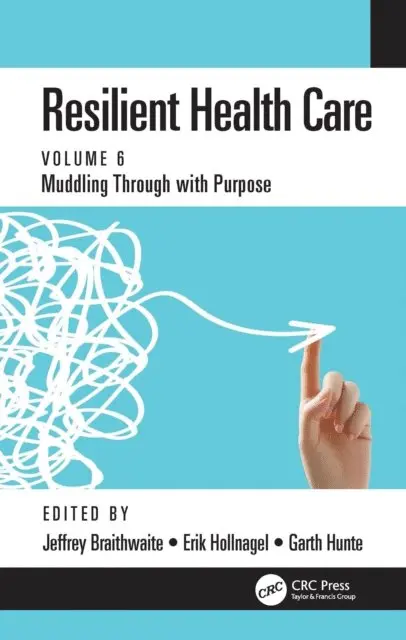
This book promotes an understanding of the purposeful muddling that health care workers rely on to be better able to function and operate in the multitude of complex ecosystems we call "health care."
The book argues the case for the importance of recognising and understanding muddling behaviours, practices and activities in order to create resilient care. The book demonstrates how resilient health care principles can enable managers as well as those on the frontlines to work more effectively towards interdisciplinary care by gaining a deeper understanding of real-world practices that manifest in everyday clinical settings. This is done by presenting a set of case studies, theoretical chapters and applications that relate experiences, bring forth ideas and illustrate practical solutions.
Primarily aimed at people who are directly involved in the running and improvement of health care systems, it provides practical guidance. It is also of direct interest to health care professionals in clinical and managerial positions as well as researchers.
Jeffrey Braithwaite is Founding Director of the Australian Institute of Health Innovation, Professor of Health Systems Research and Director of the Centre for Healthcare Resilience and Implementation Science, Macquarie University (Australia). His research examines the changing nature of complex health systems and he has received over 50 different national and international awards for his teaching and research.
Erik Hollnagel is Senior Professor of Patient Safety at Jönköping University (Sweden). He is a highly regarded international expert with significant contributions to a variety of fields ranging from nuclear power generation, aerospace and aviation to industry, transportation and, most notably, health care.
Garthe Hunte is a Clinical Professor and Emergency Physician holding multiple academic and clinical leadership appointments across Canada. His research programme centres around how safety is created in complex socio-technical systems, and in the application of resilience engineering in health care.
803 kr
Läs direkt efter köp
This book promotes an understanding of the purposeful muddling that health care workers rely on to be better able to function and operate in the multitude of complex ecosystems we call "health care."
The book argues the case for the importance of recognising and understanding muddling behaviours, practices and activities in order to create resilient care. The book demonstrates how resilient health care principles can enable managers as well as those on the frontlines to work more effectively towards interdisciplinary care by gaining a deeper understanding of real-world practices that manifest in everyday clinical settings. This is done by presenting a set of case studies, theoretical chapters and applications that relate experiences, bring forth ideas and illustrate practical solutions.
Primarily aimed at people who are directly involved in the running and improvement of health care systems, it provides practical guidance. It is also of direct interest to health care professionals in clinical and managerial positions as well as researchers.
Jeffrey Braithwaite is Founding Director of the Australian Institute of Health Innovation, Professor of Health Systems Research and Director of the Centre for Healthcare Resilience and Implementation Science, Macquarie University (Australia). His research examines the changing nature of complex health systems and he has received over 50 different national and international awards for his teaching and research.
Erik Hollnagel is Senior Professor of Patient Safety at Jönköping University (Sweden). He is a highly regarded international expert with significant contributions to a variety of fields ranging from nuclear power generation, aerospace and aviation to industry, transportation and, most notably, health care.
Garthe Hunte is a Clinical Professor and Emergency Physician holding multiple academic and clinical leadership appointments across Canada. His research programme centres around how safety is created in complex socio-technical systems, and in the application of resilience engineering in health care.
1 274 kr
Läs direkt efter köp
Winner of the 2012 HIMSS Book of the Year Award!
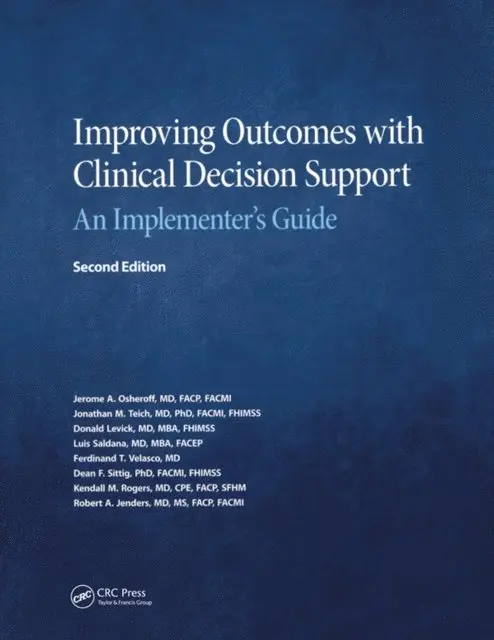
Co-published by HIMSS, the Scottsdale Institute, AMIA, AMDIS and SHM, this second edition of the authoritative guide to CDS implementation has been substantially enhanced with expanded and updated guidance on using CDS interventions to improve care delivery and outcomes. This edition has been reorganized into parts that help readers set up (or refine) a successful CDS program in a hospital, health system or physician practice; and configure and launch specific CDS interventions.
Two detailed case studies illustrate how a "real-life" CDS program and specific CDS interventions might evolve in a hypothetical community hospital and small physician practice. This updated edition includes enhanced worksheets--with sample data--that help readers to document and use information needed for their CDS program and interventions. Sections in each chapter present considerations for health IT software suppliers to effectively support their CDS implementer clients.
903 kr
Läs direkt efter köp
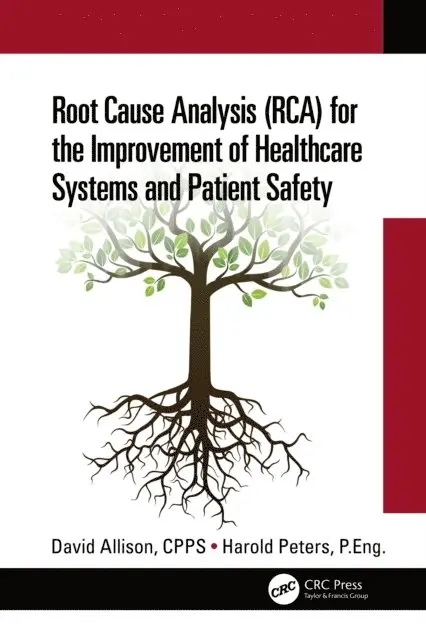
The book follows a proven training outline, including real-life examples and exercises, to teach healthcare professionals and students how to lead effective and successful Root Cause Analysis (RCA) to eliminate patient harm.
This book discusses the need for RCA in the healthcare sector, providing practical advice for its facilitation. It addresses when to use RCA, how to create effective RCA action plans, and how to prevent common RCA failures. An RCA training curriculum is also included.
This book is intended for those leading RCAs of patient harm events, leaders, students, and patient safety advocates who are interested in gaining more knowledge about RCA in healthcare.
890 kr
Läs direkt efter köp
The book follows a proven training outline, including real-life examples and exercises, to teach healthcare professionals and students how to lead effective and successful Root Cause Analysis (RCA) to eliminate patient harm.
This book discusses the need for RCA in the healthcare sector, providing practical advice for its facilitation. It addresses when to use RCA, how to create effective RCA action plans, and how to prevent common RCA failures. An RCA training curriculum is also included.
This book is intended for those leading RCAs of patient harm events, leaders, students, and patient safety advocates who are interested in gaining more knowledge about RCA in healthcare.
1 413 kr
Läs direkt efter köp
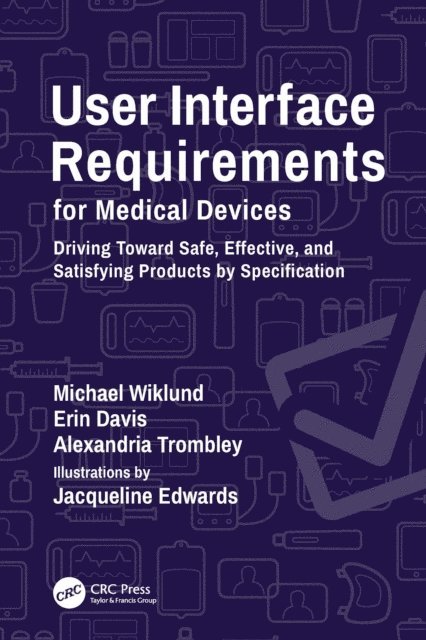
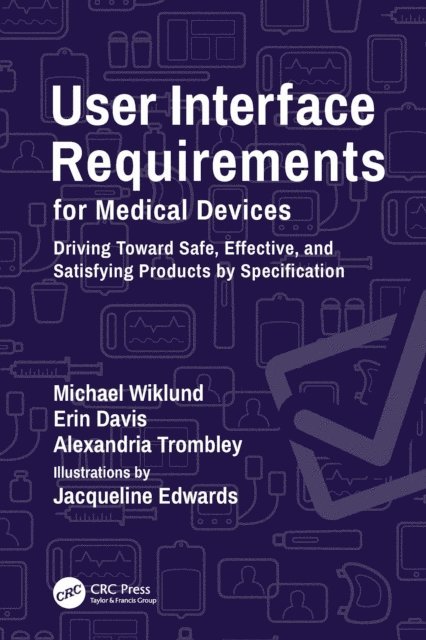
This book is a practical guide for individuals responsible for creating products that are safe, effective, usable, and satisfying in the hands of the intended users. The contents are intended to reduce the number of use errors involving medical devices that have led to injuries and deaths. The book presents the strong connection between user interface requirements and risk management for medical devices and instructs readers how to develop specific requirements that are sufficiently comprehensive and detailed to produce good results – a user-friendly product that is likely to be used correctly. The book’s tutorial content is complemented by many real-world examples of user interface requirements, including ones pertaining to an inhaler, automated external defibrillator, medical robot, and mobile app that a patient might use to manage her diabetes. The book is intended for people representing a variety of product development disciplines who have responsibility for producing safe, effective, usable, and satisfying medical devices, including those who are studying or working in human factors engineering, psychology, mechanical engineering, biomedical engineering, systems engineering, software programming, technical writing, industrial design, graphic design, and regulatory affairs.
589 kr
Läs direkt efter köp
Whether you are a doctor, nurse, student, or otherwise interested reader, the stories here will help you to understand how medicine works and how medical error can happen. The lifelong process of learning that is a medical career requires healthcare workers to find a way to live through these setbacks without either becoming too adept at putting them ''down to experience'' and forgetting their social significance, or ''burning out'' and leaving medicine.
The stories and discussions here present detailed narratives, analyses, and reflections on medical errors through actions, omissions, and misunderstandings. They offer a uniquely honest perspective on the social implications of medical error and will enable healthcare workers at all levels to analyse and learn from it without losing sight of its impact.
927 kr
Läs direkt efter köp
The path from clinical requirements to technical implementation is filtered by the translation of the modality to the technology. An important part of that filter is that the modality be safe. For that to be the case, it is imperative to understand what clinical parameters affect the safety of a treatment and then determine how the technology can affect those parameters.
This book provides a practical introduction to particle therapy. It provides a thorough introduction to the technological tools and their applications and then details the components that are needed to implement them. It explains the foundations of beam production and beam delivery that serve to meet the necessary clinical requirements. It emphasizes the relationship between requirements and implementation, including how safety and quality are considered and implemented in the solution. The reader will learn to better understand what parameters are important to achieve these goals.
Particle Therapy Technology for Safe Treatment will be a useful resource for professionals in the field of particle therapy in addition to biomedical engineers and practitioners in the field of beam physics. It can also be used as a textbook for graduate medical physics and beam physics courses.
Key Features
Presents a practical and accessible journey from application requirements to technical solutions
Provides a pedagogic treatment of the underlying technology
Describes how safety is to be considered in the application of this technology and how safety and quality can be factored into the overall system
Author Bio
After receiving his PhD in nuclear physics, Dr. Jacob Flanz was the Accelerator Physics Group leader and Principal Research Scientist at the Massachusetts Institute of Technology (MIT), USA, where he designed the recirculator and the GeV stretcher/storage ring. He joined Massachusetts General Hospital (MGH) and Harvard and became project and technical director of proton therapy, with responsibility for specifications, integration, and commissioning ensuring safe clinical performance. He invented the universal nozzle and led the design and implementation of beam scanning at MGH in 2008, including quality assurance. Dr. Flanz has been involved in several FDA applications for particle therapy. He developed and taught the US Particle Accelerator School course "Medical Applications of Accelerators and Beams." He was cochair of education and is currently the president of the Particle Therapy Co-Operative Group.
Exercise solutions to accompany this book can be accessed via the ''Instructor Resources'' tab on the book webpage.
907 kr
Läs direkt efter köp
The path from clinical requirements to technical implementation is filtered by the translation of the modality to the technology. An important part of that filter is that the modality be safe. For that to be the case, it is imperative to understand what clinical parameters affect the safety of a treatment and then determine how the technology can affect those parameters.
This book provides a practical introduction to particle therapy. It provides a thorough introduction to the technological tools and their applications and then details the components that are needed to implement them. It explains the foundations of beam production and beam delivery that serve to meet the necessary clinical requirements. It emphasizes the relationship between requirements and implementation, including how safety and quality are considered and implemented in the solution. The reader will learn to better understand what parameters are important to achieve these goals.
Particle Therapy Technology for Safe Treatment will be a useful resource for professionals in the field of particle therapy in addition to biomedical engineers and practitioners in the field of beam physics. It can also be used as a textbook for graduate medical physics and beam physics courses.
Key Features
Presents a practical and accessible journey from application requirements to technical solutions
Provides a pedagogic treatment of the underlying technology
Describes how safety is to be considered in the application of this technology and how safety and quality can be factored into the overall system
Author Bio
After receiving his PhD in nuclear physics, Dr. Jacob Flanz was the Accelerator Physics Group leader and Principal Research Scientist at the Massachusetts Institute of Technology (MIT), USA, where he designed the recirculator and the GeV stretcher/storage ring. He joined Massachusetts General Hospital (MGH) and Harvard and became project and technical director of proton therapy, with responsibility for specifications, integration, and commissioning ensuring safe clinical performance. He invented the universal nozzle and led the design and implementation of beam scanning at MGH in 2008, including quality assurance. Dr. Flanz has been involved in several FDA applications for particle therapy. He developed and taught the US Particle Accelerator School course "Medical Applications of Accelerators and Beams." He was cochair of education and is currently the president of the Particle Therapy Co-Operative Group.
Exercise solutions to accompany this book can be accessed via the ''Instructor Resources'' tab on the book webpage.
408 kr
Läs direkt efter köp
408 kr
Läs direkt efter köp