6 419 kr
Läs direkt efter köp
6 419 kr
Läs direkt efter köp
1 805 kr
Skickas inom 11-20 vardagar
1 805 kr
Skickas inom 11-20 vardagar
Current Progress in iPSC Disease Modeling, Volume Fourteen in the Advances in Stem Cell Biology series, is a timely and expansive collection of information and new discoveries in the field. This new volume addresses advances in research on how induced pluripotent stem cells are used for the creation of new tissues and organs. The creation of iPSC technology allowed the development of disease-specific human pluripotent stem cells. These cells allow researchers to study questions once impossible for some human diseases. This volume addresses iPSCs for vascular tissue engineering, bioprinting, derived lung organoids for pulmonary disorders, skeletal muscle engineering, human kidney organoids, and more.
It is written for researchers and scientists in stem cell therapy, cell biology, regenerative medicine and organ transplantation, and is contributed by world-renowned authors in the field.
Provides an overview of the fast-moving field of stem cell biology and function, regenerative medicine and therapeutics Covers advances in research on how induced pluripotent stem cells are used to create new tissues/organs Contributed by world-renowned experts in the field1 805 kr
Skickas inom 11-20 vardagar
1 805 kr
Skickas inom 11-20 vardagar
1 805 kr
Skickas inom 11-20 vardagar
2 829 kr
Skickas inom 10-15 vardagar
2 041 kr
Skickas inom 11-20 vardagar
Multiscale Cell-Biomaterials Interplay in Musculoskeletal Tissue Engineering and Regenerative Medicine addresses the key concepts involved in the interactions between cells and biomaterials in the musculoskeletal tissue engineering and regenerative medicine field. The updated developments and challenges of the mechanisms/mechanobiology and structure-function properties of those interactions, as well as emerging technologies underlying tissue-engineered scaffolding, are carefully discussed. Lastly, cell engineering and cell-based therapies, growth factors/drugs properties, vascularization, immunomodulation are also outlined.
Given the large number of musculoskeletal disorders and related injuries that can affect muscles, bones and joints and lead to severe complications of the neuromuscular system, it is imperative to develop new treatment strategies to delay or repair associated diseases and to promote optimal long-term health.
Presents the fundamentals of the complex interplay of cells with biomaterials in musculoskeletal tissue engineering Includes coverage of stem cells and cell-based therapies, in vitro and in vivo models, nanotechnology, bioprinting, computational modeling, regulatory and clinical translation, and much more Written by global leaders in the field1 871 kr
Skickas inom 11-20 vardagar
3 026 kr
Skickas inom 11-20 vardagar
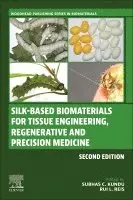
Silk-based Biomaterials for Tissue Engineering, Regenerative and Precision Medicine, Second Edition is a must-have reference, providing comprehensive coverage of silk-based biomaterials and their importance in translational uses and biomedicine. This new edition considers the progress made in the past eight years, featuring many new chapters, including a discussion of cutting-edge fabrication methods and techniques, new and improved blends/composites, and an expanded range of applications in tissue engineering, regenerative and precision medicine. The book holistically reviews the types, structure and properties, processing methods, and specific biomedical applications for silk-based biomaterials.
This will be a vital resource for materials and tissue engineering scientists, R&D departments in industry and academia, and academics interested in biomaterials, regenerative, and precision medicine.
Covers all key silk biomaterial types, including mulberry, Bombyx mori and nonmulberry/wild silk protein fibroins, sericins and spider silk, as well as their composite blends and various structures and scaffold platforms Describes the cutting-edge processing techniques for each silk type, from traditional to nonconventional methods, such as using ionic liquids and engineering nanofibers and other biomedical matrices Explores a range of applications in tissue engineering and regenerative and precision medicine, including bioprinting, bioelectronics and medical devices2 435 kr
Skickas inom 11-20 vardagar
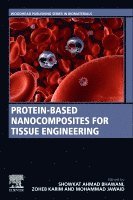
Protein-based Nanocomposites for Tissue Engineering details the design, development, efficacy and tissue engineering applications of a range of protein-based nanocomposite materials. Protein-based nanocomposites offer advantageous properties in that they are biodegradable, biocompatible, nonantigenic, highly stable and possess strong binding capacity. These unique properties make protein-based nanocomposite carriers promising candidates for controlled cell delivery in tissue engineering. This book covers a selection of protein types in their nanocomposite form, from albumin and keratin to collagen and silk. Each protein nanocomposite is described in detail, exploring their application in cell delivery and tissue engineering.The design, development, properties and molecular mechanism of protein-based nanocomposites is thoroughly discussed before going on to analyze the advantages and limitations of these useful materials, making this book an ideal resource for readers who want to explore biocompatible and naturally derived material options for tissue engineering applications. Academics and researchers in the fields of materials science, biomedical engineering, regenerative medicine and nanotechnology will find the book a must have.
Provides an overview of protein-based nanocomposites and their unique properties, including biocompatibility and toxicityCovers recent advances in the design and development of protein nanocomposites, helping the reader anticipate challenges and improve efficiency of developmentDetails a range of protein types in their nanocomposite form, including key and readily available proteins such as fibrin, soy, collagen and silk1 779 kr
Skickas inom 11-20 vardagar
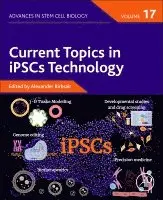
Current Topics in iPSCs provides a deep analysis of the underlying fundamentals that support short and mid-term developments and milestones in the business of mesenchymal stem cell therapies. This volume explores the next frontier of MSC therapies and how the transformational potential of therapeutic adult cells will be realised in all therapy areas. The impacts of clinical and economic benefits are dissected throughout each of the chapters. Written by thought leaders in the field for those curious about the interface of science and business.
Explores the strategy at the forefront of the science of mesenchymal stem cells Provides an overview of all therapy areas where MSC and MSC-derived products can be used therapeutically Depicts transformational changes in healthcare that enable the implementation of MSC-powered technology platforms1 911 kr
Skickas inom 10-15 vardagar
1 088 kr
Skickas inom 10-15 vardagar
1 119 kr
Skickas inom 10-15 vardagar
1 119 kr
Skickas inom 10-15 vardagar
1 058 kr
Skickas inom 10-15 vardagar
1 057 kr
Skickas inom 10-15 vardagar
2 626 kr
Skickas inom 10-15 vardagar
936 kr
Skickas inom 10-15 vardagar
966 kr
Skickas inom 10-15 vardagar
829 kr
Skickas inom 10-15 vardagar
1 911 kr
Skickas inom 10-15 vardagar
1 515 kr
Skickas inom 10-15 vardagar
977 kr
Läs direkt efter köp
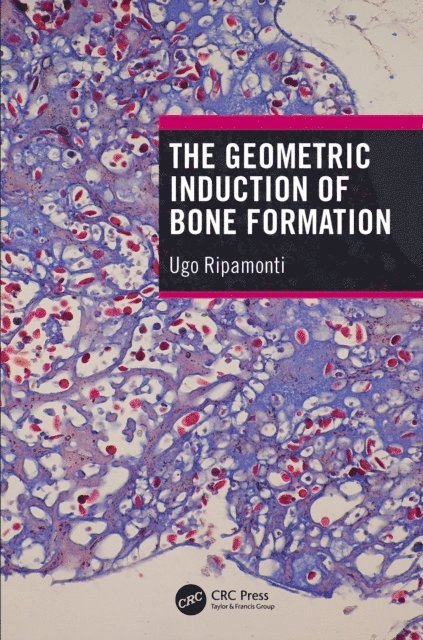
The Geometric Induction of Bone Formation describes new biomimetic biomaterials that offer mechanistic osteogenic surfaces for the autonomous and spontaneous induction of bone formation without the addition of osteogenic soluble molecular signals of the transforming growth factor-β supergene family. The chapters frame our understanding of regenerative medicine in primate species, including humans. The goal is to unravel the fundamental biological mechanisms of bone formation unique to non-human and human primates. The broad target audience dovetails with several disciplines both in the academic and private biotech sectors primarily involved in molecular biology, tissue biology, tissue engineering, biomaterial science, and reconstructive, orthopedic, plastic, and dental surgery.
Key Features
Includes outstanding images of undecalcified whole mounted sections
Summarizes non-human primate research – ideal for clinical translation
Reviews methods for creating devices capable of making bone autonomously, i.e. an intrinsically osteo-inductive bioreactor and/or biomaterial
Describes the spontaneous induction of bone formation including a whole spectrum of tissue biology, from basic molecular biology to clear-cut morphology and pre-clinical application in non-human primate species
Intended for audiences in both academic research and the biotech industry
992 kr
Läs direkt efter köp
The Geometric Induction of Bone Formation describes new biomimetic biomaterials that offer mechanistic osteogenic surfaces for the autonomous and spontaneous induction of bone formation without the addition of osteogenic soluble molecular signals of the transforming growth factor-β supergene family. The chapters frame our understanding of regenerative medicine in primate species, including humans. The goal is to unravel the fundamental biological mechanisms of bone formation unique to non-human and human primates. The broad target audience dovetails with several disciplines both in the academic and private biotech sectors primarily involved in molecular biology, tissue biology, tissue engineering, biomaterial science, and reconstructive, orthopedic, plastic, and dental surgery.
Key Features
Includes outstanding images of undecalcified whole mounted sections
Summarizes non-human primate research – ideal for clinical translation
Reviews methods for creating devices capable of making bone autonomously, i.e. an intrinsically osteo-inductive bioreactor and/or biomaterial
Describes the spontaneous induction of bone formation including a whole spectrum of tissue biology, from basic molecular biology to clear-cut morphology and pre-clinical application in non-human primate species
Intended for audiences in both academic research and the biotech industry
981 kr
Läs direkt efter köp
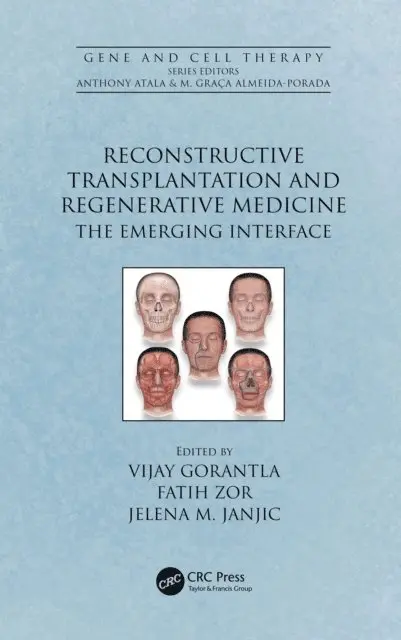
This book summarizes rapid progress and innovation in transplantation and regenerative medicine - the merger of reconstructive plastic surgery and transplantation - called Vascularized Composite Allotransplantation. This merger includes face, hand, uteri, larynx, tongue, penis and trachea translplantations as well as other body part transplants using grafts derived from organ donors. These sorts of transplants are now performed more commonly. Cell therapies for immunomodulation are surrogates for immune responses after transplantation to non-invasive imaging of neuroregeneration for improving functional outcomes after transplant.
952 kr
Läs direkt efter köp
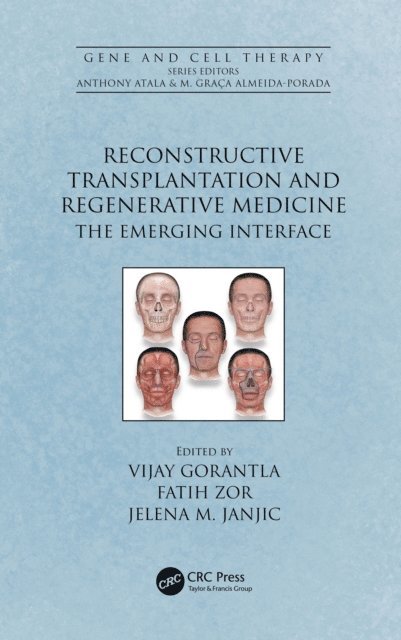
This book summarizes rapid progress and innovation in transplantation and regenerative medicine - the merger of reconstructive plastic surgery and transplantation - called Vascularized Composite Allotransplantation. This merger includes face, hand, uteri, larynx, tongue, penis and trachea translplantations as well as other body part transplants using grafts derived from organ donors. These sorts of transplants are now performed more commonly. Cell therapies for immunomodulation are surrogates for immune responses after transplantation to non-invasive imaging of neuroregeneration for improving functional outcomes after transplant.
942 kr
Läs direkt efter köp
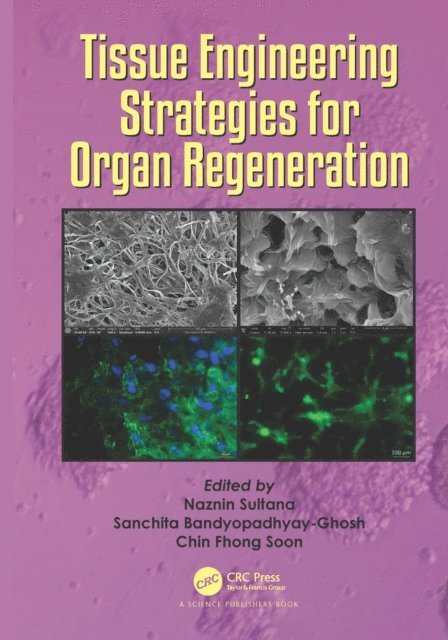
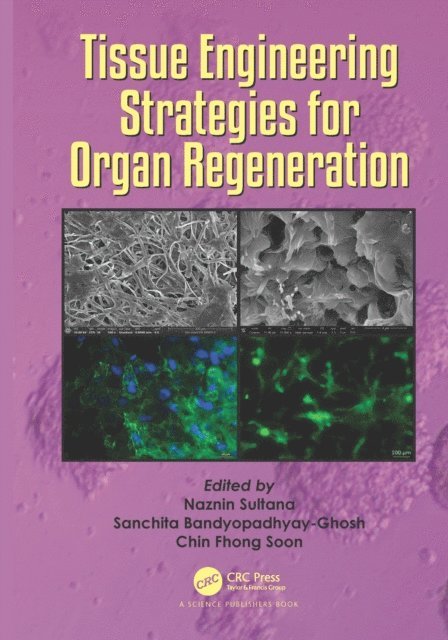
Tissue Engineering Strategies for Organ Regeneration addresses the existing and future trends of tissue engineering approaches for organ/tissue regeneration or repair. This book provides a comprehensive summary of the recent improvement of biomaterials used in scaffold-based tissue engineering, and the tools and different protocols needed to design tissues and organs. The chapters in this book provide the in-depth principles for many of the supporting and enabling technologies including the applications of BioMEMS devices in tissue engineering, and the combination of organoid formation and three dimensional (3D) bioprinting. The book also highlights the advances and strategies for regeneration of three-dimensional microtissues in microcapsules, tissue reconstruction techniques, and injectable composite scaffolds for bone tissue repair and augmentation.
Key Features:
Addresses the current obstacles to tissue engineering applications Provides the latest improvements in the field of integrated biomaterials and fabrication techniques for scaffold-based tissue engineering Shows the influence of microenvironment towards cell-biomaterials interactions Highlights significant and recent improvements of tissue engineering applications for the artificial organ and tissue generation Describes the applications of microelectronic devices in tissue engineering Describes different current bioprinting technologies956 kr
Läs direkt efter köp
Tissue Engineering Strategies for Organ Regeneration addresses the existing and future trends of tissue engineering approaches for organ/tissue regeneration or repair. This book provides a comprehensive summary of the recent improvement of biomaterials used in scaffold-based tissue engineering, and the tools and different protocols needed to design tissues and organs. The chapters in this book provide the in-depth principles for many of the supporting and enabling technologies including the applications of BioMEMS devices in tissue engineering, and the combination of organoid formation and three dimensional (3D) bioprinting. The book also highlights the advances and strategies for regeneration of three-dimensional microtissues in microcapsules, tissue reconstruction techniques, and injectable composite scaffolds for bone tissue repair and augmentation.
Key Features:
Addresses the current obstacles to tissue engineering applications Provides the latest improvements in the field of integrated biomaterials and fabrication techniques for scaffold-based tissue engineering Shows the influence of microenvironment towards cell-biomaterials interactions Highlights significant and recent improvements of tissue engineering applications for the artificial organ and tissue generation Describes the applications of microelectronic devices in tissue engineering Describes different current bioprinting technologies