214 kr
Skickas inom 5-8 vardagar
214 kr
Skickas inom 5-8 vardagar
146 kr
Skickas inom 7-10 vardagar
1 016 kr
Skickas inom 7-10 vardagar
361 kr
Skickas inom 7-10 vardagar
94 kr
Läs direkt efter köp
322 kr
Skickas inom 7-10 vardagar
116 kr
Skickas inom 5-8 vardagar
941 kr
Skickas inom 5-8 vardagar
159 kr
Skickas
149 kr
Skickas inom 5-8 vardagar
148 kr
Skickas
192 kr
Skickas inom 3-6 vardagar
The Associated Board of the Royal Schools of Music
119 kr
Skickas inom 5-8 vardagar
101 kr
Skickas inom 5-8 vardagar
100 kr
Skickas inom 5-8 vardagar
114 kr
114 kr
Skickas inom 5-8 vardagar
249 kr
Skickas inom 7-10 vardagar
193 kr
Skickas
109 kr
Skickas
199 kr
Läs direkt efter köp
Kjos (Neil A.) Music Co ,U.S.
104 kr
Skickas inom 11-20 vardagar
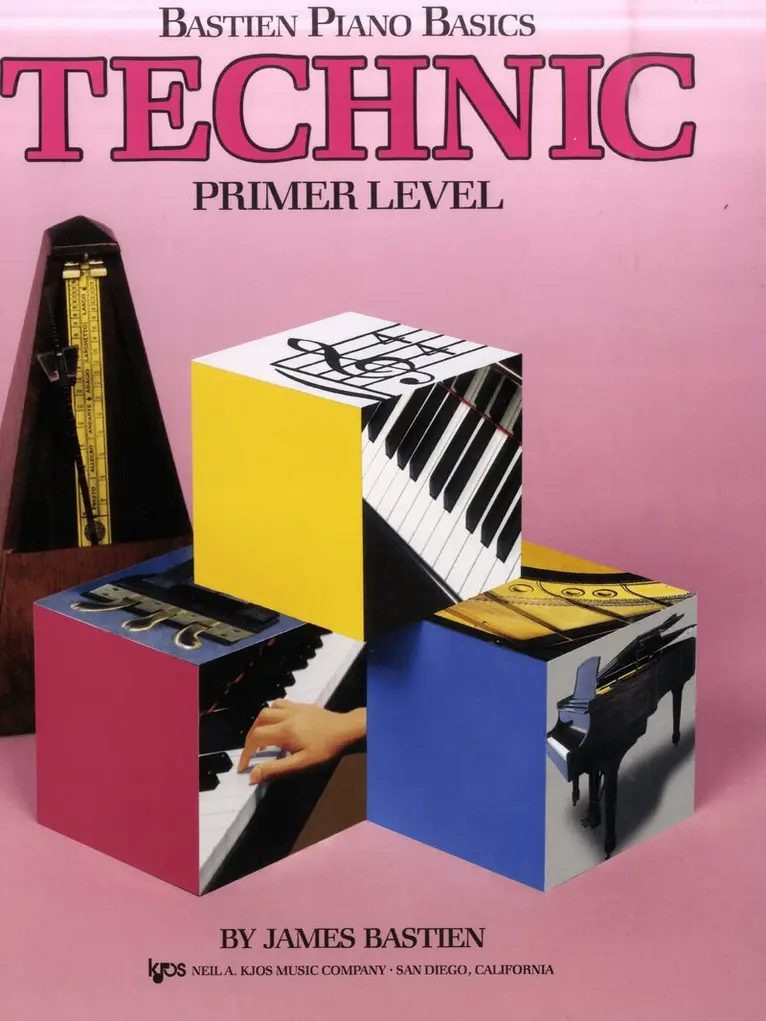
Technic is the Bastien Piano Basics technic development series. Use the practical warm-up exercises to start lessons and practice sessions. Original works by James Bastien, and graded etudes by masters such as Schmitt, Czerny, Hanon, and Lemoine reinforce technic. Each page is carefully correlated with Piano, Performance,and Theory. Your students will develop dependable technic from the very beginning.
411 kr
Skickas inom 7-10 vardagar
521 kr
Läs direkt efter köp
432 kr
Skickas inom 7-10 vardagar
284 kr
Skickas inom 7-10 vardagar
133 kr
Skickas
299 kr
Skickas
779 kr
Skickas inom 10-15 vardagar
352 kr
Skickas inom 7-10 vardagar
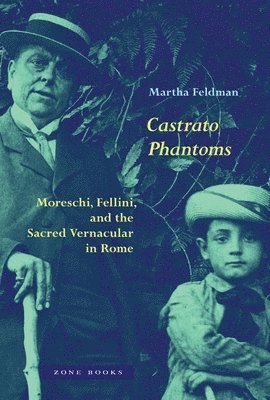
A new mapping of castrato afterlives in modern RomeAround 1830, opera houses stopped using castrati, and Rome and the Vatican became home to their glorious singing, engineered by surgery and intensive vocal training. Castrati were long mired in secrecy, obfuscations, and lies about their origin and conditions, not least the last of them, Alessandro Moreschi. Musicologist Martha Feldman declines to accept these deep-seated mysteries and concealments. After a decade and more of digging through archives and family histories comes her exciting transdisciplinary and quasi-cinematic account of Moreschi, whose recordings preserve the only sonic trace of a solo castrato.Yet Moreschi’s story extends far beyond him. It opens up intrigues, politics, and histories of the Vatican, everyday histories of nineteenth- and twentieth-century Rome, the world of Roman opera, the city’s unique mélange of sacred and vernacular tropes, and representations of Rome by iconic film director Federico Fellini. Moreschi and Fellini turn out to have been related by marriage, but also to share synergies grounded in Rome’s persistent inclination to vernacularize the sacred. Far from telling of one anomalous figure, Feldman’s gripping history convinces readers that Moreschi, like Fellini, can be read as an improbable index of Roman consciousness, both during his own life and well beyond.