132 kr
Skickas
132 kr
Skickas
58 kr
Skickas
198 kr
Skickas inom 7-10 vardagar
404 kr
Skickas inom 7-10 vardagar
292 kr
Skickas
336 kr
Skickas inom 10-15 vardagar
168 kr
Skickas
326 kr
Skickas inom 7-10 vardagar
265 kr
Skickas inom 3-6 vardagar
246 kr
Skickas inom 3-6 vardagar
251 kr
Skickas inom 7-10 vardagar
198 kr
Skickas
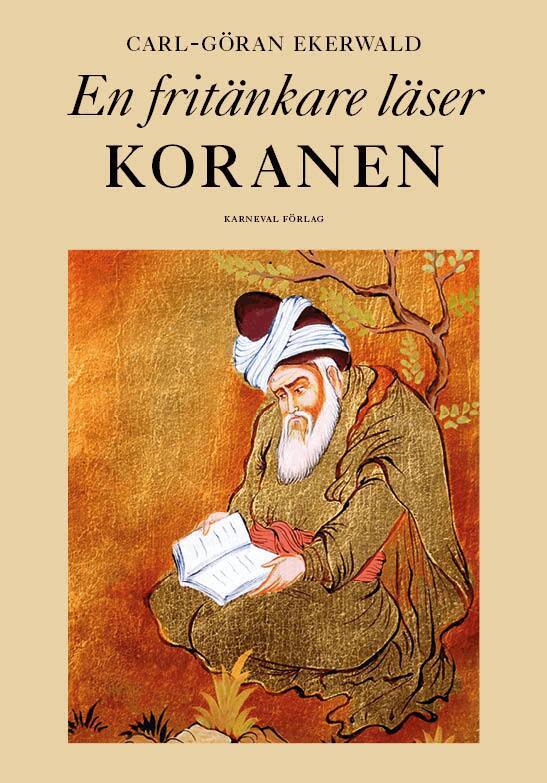
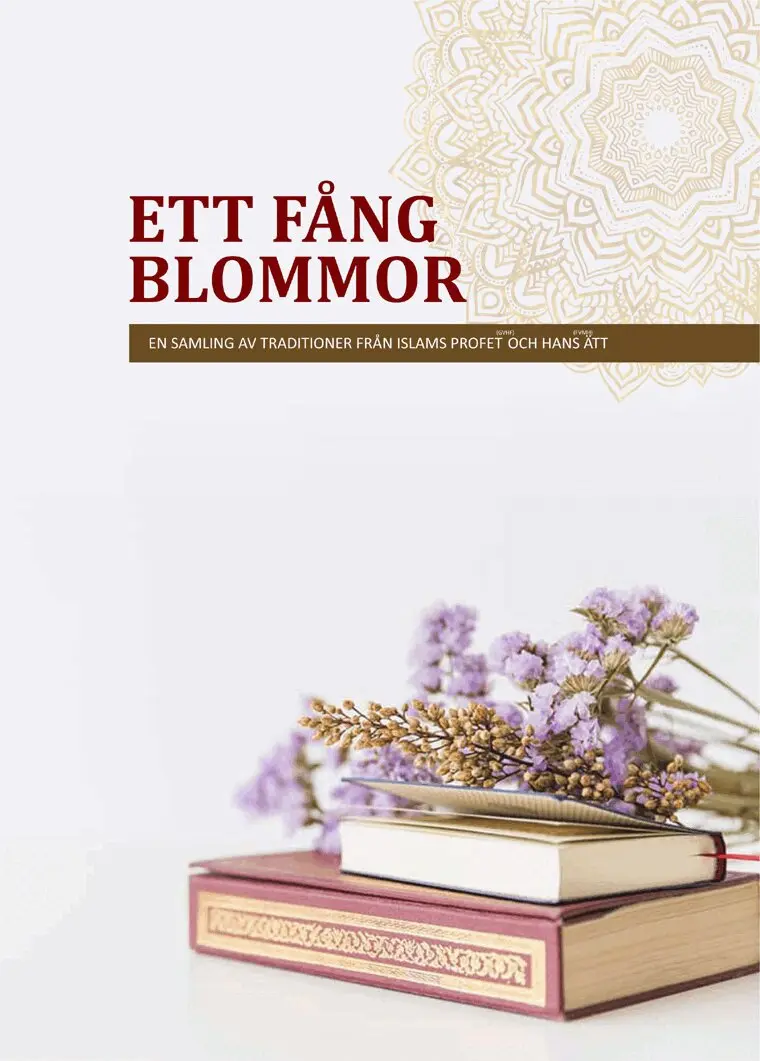
Vad för andlig näring kan en icke-muslim hämta i Koranen?
Carl-Göran Ekerwald bestämde sig för att ta reda på det genom att läsa Koranen i sex olika översättningar och notera vad som träffade just hans hjärta.
Utgångspunkt är ett citat ur Koranen: "Finns det en vackrare religion än Abrahams?"
Abraham levde långt före Moses, Jesus och Muhammed. Han hade inte Guds tio bud, inte Mose lag, inget evangelium, men tycks ha klarat sig bra ändå, utan religion. Enligt Koranen var han god vän med Gud genom en intuitiv förbindelse.
Detta synsätt, hävdar Carl-Göran Ekerwald, är islams modernitet. Eller som Michel Houellebecq formulerat det: "I vår avsaknad av religion är vi hänvisade till vår intuition."
Till moderniteten hör också bilden av Gud som ett obegripligt »icke-vara«. Gud är »intet« men står varje människa närmare än hennes halspulsåder. Vi "känner av" honom.
Carl-Göran Ekerwald, född 1923, är författare till romaner, novellsamlingar, essäer, biografier. På Karneval förlag har bland annat utkommit Läsa innantill och bli en annan (2006), Lyssna med ögat (2009), Sigridiana (2013), Kom, madame, fru (2014), Gröna bläcket (2016) och Om bildning (2017).
"De Korantexter som här uppmärksammas har blivit valda helt förutsättningslöst. Det har skett uteslutande för att de väckte läsarens uppmärksamhet. Man kan säga att det är Koranen själv som på detta sätt avgjort urvalet. Det är heller inte alltid man vet orsaken till sådan attraktion. Man är inte helt på det klara med sina emotionella insikter.
Det är ju Bibelns och Koranens styrka och orsaken till deras tusenåriga varaktighet att de överraskar. En annan läsare skulle göra ett annat val. Varje läsare är ensam. Ingen kan utnämna sig till talesman för många läsare annat än censuren. Och dess anspråk är en illusion.
Antag att jag säger: jag läser Koranen för att notera vad som gör mig beklämd och dyster och rent av arg.
En annan säger: jag läser Koranen och tar till mig avsnitt som gör mig glad, tillitsfull, ja lycklig! Och det utan att kunna förklara orsaken. Författaren till denna lilla skrift tillhör den sistnämnda kategorin. Liksom man kan älska ett musikstycke, kan man älska en religiös text."
Carl-Göran Ekerwald

367 kr
Skickas inom 7-10 vardagar
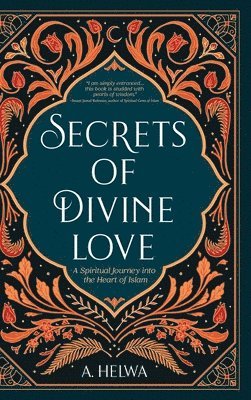
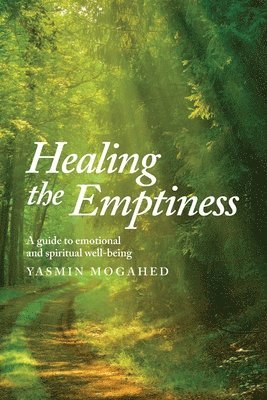
At some level, so many of us have experienced emptiness. But very few people know why. And even fewer people know how to fill that emptiness. But we spend our lives trying...
As flawed human beings, we so often cringe at our humanness. We try eveything to erase it. We look for any way to hide from our wounds and to numb the pain. But what if we didn't have to hide? What if our wound became the door to a deeper understanding of ourselves and God? What if every wound served a purpose and the process of healing made us stronger?
This life and our entire journey here, is not an end in itself. It is a purposeful process, designed by God to shape our hearts. To prepare our souls for the Final Meeting with Him. We must allow the process to refine and remake us. And our wounds are a part of that process. It will hurt. It will seem like the end so many times. But it is not the end. Our journey will keep going and we can rise out of our pain, stronger.
And then in the End, it won't be how we walked in the sun-but how we handled the storm-that will define us. It won't be about how we ran.
It will be about how we fell, and then got back up.
This book is about finding strength in God and in our capacity to be both human and beautiful--both flawed and inspired. It is a journey to the understanding that we are flawed by design so that we can find strength and beauty in relying entirely on the Flawless.
This book is about learning why we suffer and how to stop our pain from destroying us. It is a spiritual and psychological manual for healing and growth through our pain. It is about finding peace and purpose, no matter what we've been through.
We live in a world where the moment we feel pain, we find ourselves surrounded by countless sedatives, promising to take it away. Sex, drugs, alcohol, materialism, consumerism are some of the many escapes we use to distract ourselves from what hurts in our lives. And some of us use other sedatives. Some of us try to lose ourselves in our work and our careers. Some people try to fill the void by "living online". We disengage from our real life and our real relationships in order to hide in a false social media world, or in our devices and technology. We become dependent upon the immediate and temporary dopamine rush of social approval. We begin to covet likes and followers and share intimate aspects of our lives in the public sphere, waiting for commentary and praise. Waiting to be seen--even if it's by perfect strangers.
And yet all along, we only become more empty and even more isolated.
In order to thrive in this life and the next, we must have an understanding of healing. The first step in healing must be diagnosing the root cause of our pain. The second step is removing the barriers to healing. The third step is treating the wound with the necessary medicine. And finally we must keep the wound clean by ensuring our environment is not toxic.
92 kr
Skickas
284 kr
Skickas inom 3-6 vardagar
144 kr
Skickas
247 kr
Skickas inom 7-10 vardagar
148 kr
Skickas
186 kr
Skickas
285 kr
Skickas inom 7-10 vardagar
170 kr
Läs direkt efter köp
388 kr
Skickas inom 7-10 vardagar
126 kr
Skickas inom 7-10 vardagar
388 kr
Skickas
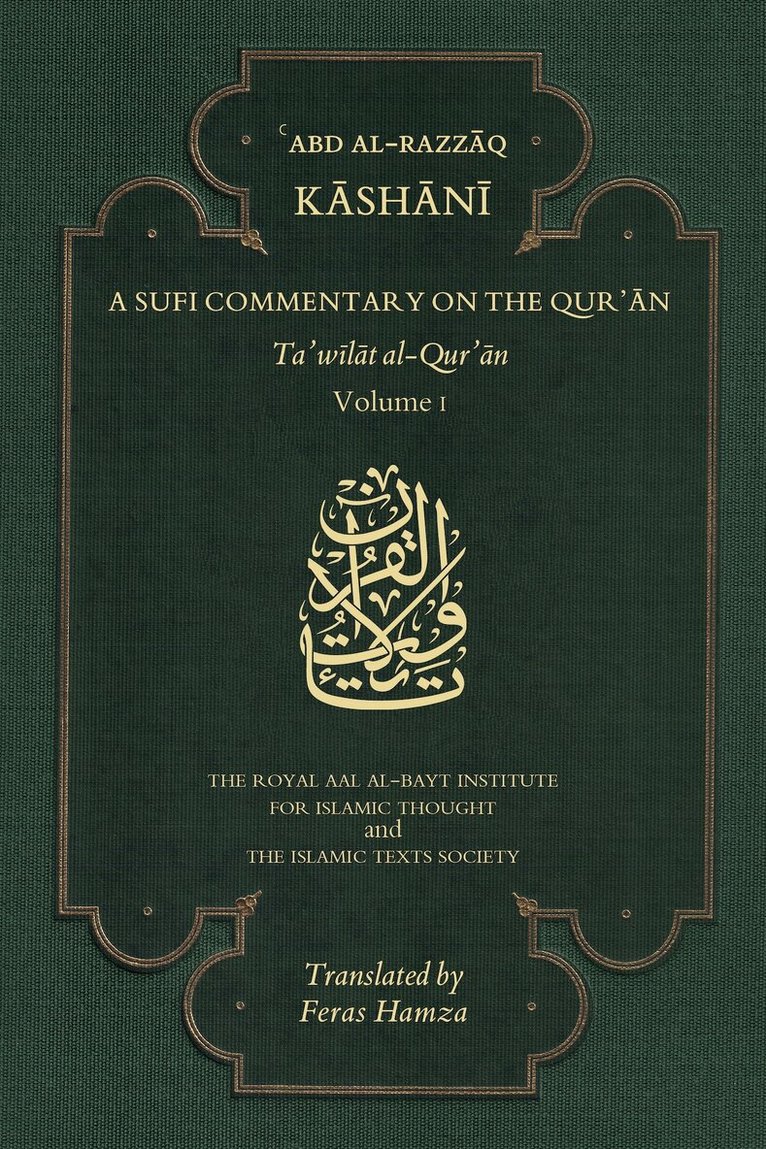
The Sufi commentary on the Qur'an by 'Abd al-Razzaq al-Kashani (Ta'wilat al-Qur'an)—long believed to have been written by Muhyi al-Din Ibn 'Arabi (d. 1240)—is one of the masterpieces of Sufi exegesis. It is a complete commentary on the Qur'an, commenting on every chapter but not on every verse. A Sufi Commentary on the Qur'an is the first translation into English of this seminal work.
Though little is known about the life of 'Abd al-Razzaq al-Kashani (d. between 1329-35), it is accepted that he studied under Mu'ayyid al-Din al-Jandi, who himself had studied with Sadr al-Din Qunawi, the stepson of Ibn 'Arabi and leading exponent of Akbarian doctrine. Despite the paucity of information on his life, Kashani is recognised for the significant contribution he made to the school of Ibn 'Arabi; his influence and legacy lie in his systemisation of the ideas and thoughts of Ibn 'Arabi. The central theme of Kashani's commentary on the Qur'an is gnosis or direct experiential knowledge of God: the seeker of the Divine is to engage in dedicated spiritual exertion in conformity with the Sacred Law until the heart becomes illuminated.
The Ta'wilat al-Qur'an has been translated in two volumes: Volume I includes the commentary from the first Chapter, The Opening (al-Fatiha), until the eighteenth Chapter, The Cave (al-Kahf); while Volume II includes the commentary from Chapter nineteen, Mary (Maryam), to the end of the Qur'an.
223 kr
402 kr
Skickas inom 7-10 vardagar
219 kr
Skickas inom 7-10 vardagar
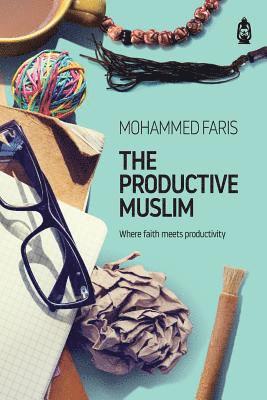
In "The ProductiveMuslim" Mohammed Faris, the founder of ProductiveMuslim.com, provides this practical framework that helps urban global Muslims lead a productive lifestyle Spiritually, Physically, and Socially.
Combining his love for Islam with modern productivity techniques, in this book, Mohammed will teach you:• How spirituality can boost your productivity .• How to manage your sleep, nutrition, and fitness (spiritually, physically, and socially)• How to be socially productive outside your home and community .• How to manage your focus in an age of distractions• How to build productive habits and routines• How to manage your time and invest in your hereafter• How to be productive during Ramadan
294 kr
Skickas inom 7-10 vardagar
297 kr
Skickas inom 7-10 vardagar
152 kr
Skickas inom 5-8 vardagar