189 kr
Läs direkt efter köp
189 kr
Läs direkt efter köp
349 kr
Kommande
161 kr
Skickas
84 kr
Skickas inom 7-10 vardagar
186 kr
Skickas inom 3-6 vardagar
361 kr
Kommande
960 kr
Skickas inom 7-10 vardagar
246 kr
Skickas inom 7-10 vardagar
421 kr
Läs direkt efter köp
307 kr
Skickas inom 7-10 vardagar
199 kr
Skickas inom 10-15 vardagar
186 kr
Skickas inom 3-6 vardagar
805 kr
Skickas inom 10-15 vardagar
121 kr
Skickas
137 kr
Skickas inom 7-10 vardagar
1 084 kr
Läs direkt efter köp
343 kr
Skickas inom 3-6 vardagar
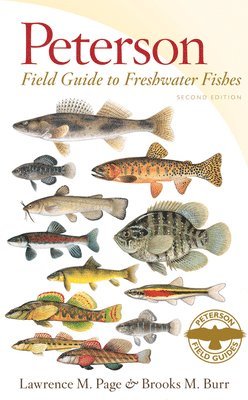
There are nearly 1,000 species of freshwater fishes in North America alone, and identifying them can sometimes be a daunting task. In fact, in just the twenty years since publication of the first edition of the Peterson Field Guide to Freshwater Fishes, the number of species has risen by almost 150, including 19 marine invaders and 16 newly established nonnative species. This second edition incorporates all of these new species, plus all-new maps and a collection of new and revised plates. Some of the species can be told apart only by minute differences in coloration or shape, and these beautifully illustrated plates reveal exactly how to distinguish each species. The guide includes detailed maps and information showing where to locate each species of fish—whether that species can be found in miles-long stretches of river or small pools that cover only dozens of square feet. The ichthyologic world of the twenty-first century is not the same as it was in the twentieth, and this brand-new edition of the definitive field guide to freshwater fishes reflects these many changes.
165 kr
Skickas
927 kr
Skickas inom 7-10 vardagar
346 kr
Skickas inom 7-10 vardagar
474 kr
Skickas inom 3-6 vardagar
156 kr
Kommande
2 195 kr
Skickas inom 7-10 vardagar
277 kr
Skickas inom 7-10 vardagar
1 385 kr
Läs direkt efter köp
1 197 kr
Skickas inom 7-10 vardagar
148 kr
Skickas inom 7-10 vardagar
211 kr
Skickas inom 5-8 vardagar
674 kr
Skickas inom 7-10 vardagar
805 kr
Läs direkt efter köp
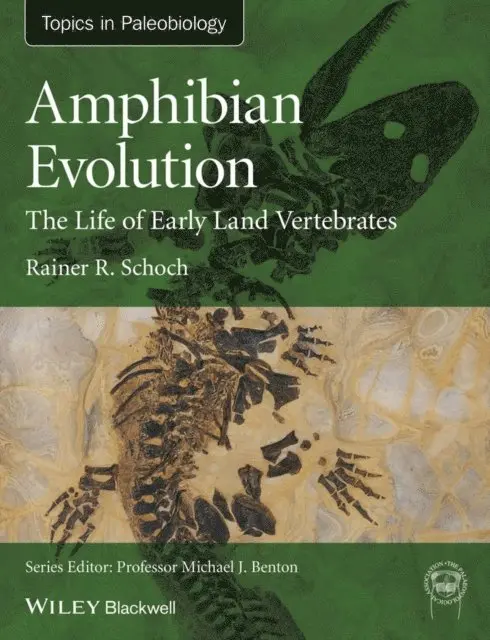
This book focuses on the first vertebrates to conquer land and their long journey to become fully independent from the water. It traces the origin of tetrapod features and tries to explain how and why they transformed into organs that permit life on land. Although the major frame of the topic lies in the past 370 million years and necessarily deals with many fossils, it is far from restricted to paleontology. The aim is to achieve a comprehensive picture of amphibian evolution. It focuses on major questions in current paleobiology: how diverse were the early tetrapods? In which environments did they live, and how did they come to be preserved? What do we know about the soft body of extinct amphibians, and what does that tell us about the evolution of crucial organs during the transition to land? How did early amphibians develop and grow, and which were the major factors of their evolution?The Topics in Paleobiology Series is published in collaboration with the Palaeontological Association, and is edited by Professor Mike Benton, University of Bristol.
Books in the series provide a summary of the current state of knowledge, a trusted route into the primary literature, and will act as pointers for future directions for research. As well as volumes on individual groups, the series will also deal with topics that have a cross-cutting relevance, such as the evolution of significant ecosystems, particular key times and events in the history of life, climate change, and the application of a new techniques such as molecular palaeontology.
The books are written by leading international experts and will be pitched at a level suitable for advanced undergraduates, postgraduates, and researchers in both the paleontological and biological sciences.