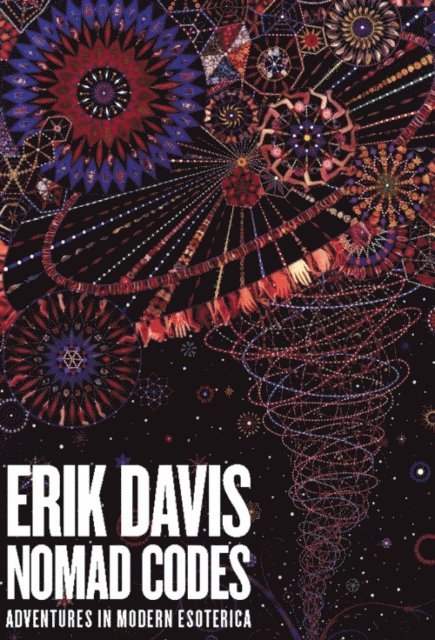
In these wide-ranging essays, Erik Davis explores the codes—spiritual, cultural, and embodied—that people use to escape the limitation of their lives and enrich their experience of the world. These include Asian religious traditions and West African trickster gods, Western occult and esoteric lore, postmodern theory and psychedelic science, as well as festival scenes such as Burning Man (of which Davis is the best-known chronicler). Articles on media technology further explore themes Davis took up in his acclaimed book Techgnosis, while his profiles of West Coast poets, musicians, and mystics extend the California terrain he previously mapped in The Visionary State. Whether his subject is collage art or the “magickal realism” of horror writer H.P. Lovecraft, transvestite Burmese spirit mediums or Ufology, tripster king Terence McKenna or dub maestro Lee Perry, Davis writes with keen yet skeptical sympathy, intellectual subtlety and wit, and unbridled curiosity.The common thread running through all these pieces is what Davis calls “modern esoterica,” which he describes in his preface as a ‘no-man’s-land located somewhere between anthropology and mystical pulp, between the zendo and the metal club, between cultural criticism and extraordinary experience, whether psychedelic, or yogic, or technological.” Such an ambiguous and startling landscape demands that the intrepid adventurer shed any territorial claims and go nomad. Davis wanders with sharp eyes and an open mind, which is why Peter Lamborn Wilson calls him “the best of all guides to modern American spirituality.”
What is Black History? Did you know what blacks were in Cortez’s crew in Mexico, with Pizarro in Peru and Alvarado in Quito…that when Balboa discovered the Pacific Ocean, 30 black people were with him….that when Alarcon and Coronado conquered Mexico, black people were with them too?Any misunderstandings between blacks and whites in today’s society tend to stem from the misconceptions about blacks that have been allowed to thrive throughout the ages. The only way to help abolish stereotypes is to help present a more complete picture of the black people throughout history. Black History For Beginners covers a rich but often ignored history and chronicles the black struggle from capture and enslavement in Africa through the Civil Rights movement and up to today and the new and different kinds of struggles that black people face today.