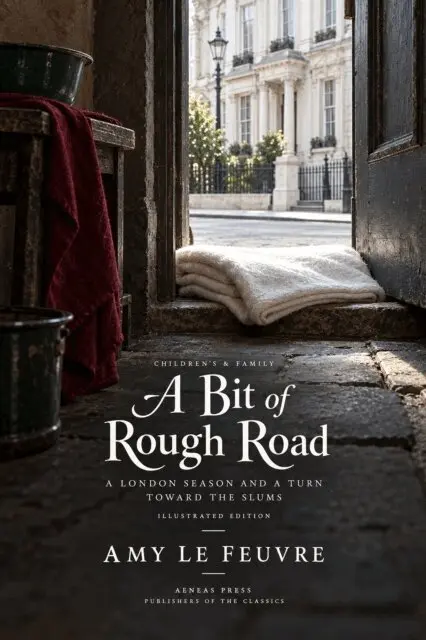
Hope St. Clair comes back from a London season with her aunt, beautifully dressed and quietly unhappy, to her father''s quiet house in a cathedral town. A new friend, who has given up slum work for bee-farming, shows her another way to live, and the dream of a cottage with a small poultry-farm becomes a matter of practical arithmetic. Amy Le Feuvre wrote for a public that expected a religious answer and gave it — but the small economies and country work of the second half are closely observed. Forty-nine plates by painters including Gainsborough and Millais trace the wooded landscapes, hop gardens and cottage doorways that frame this story of quiet English lives.
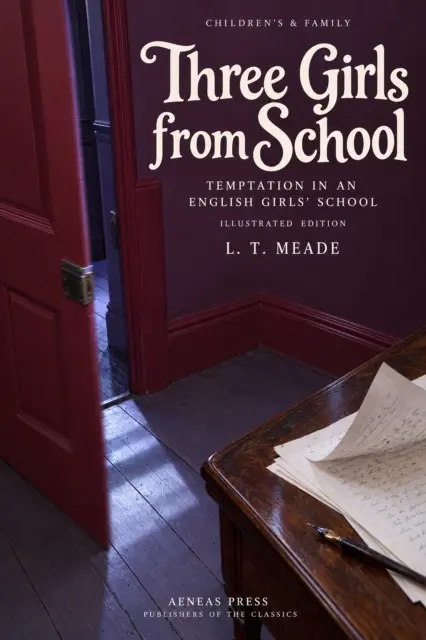
Three schoolfellows scheme to find the money that will keep one of them at school, and the scheme ends in a cheque that should never have been written. L. T. Meade wrote more than two hundred books, mostly for girls, and invented the modern school story alongside Angela Brazil. The moral pressure here is applied by the friends rather than the mistresses, which is why it still works. Fifty-two plates by painters including Millais and Wilkie carry the same themes of youth, letters and moral pressure that drive the story.