267 kr
Skickas
267 kr
Skickas
179 kr
Skickas
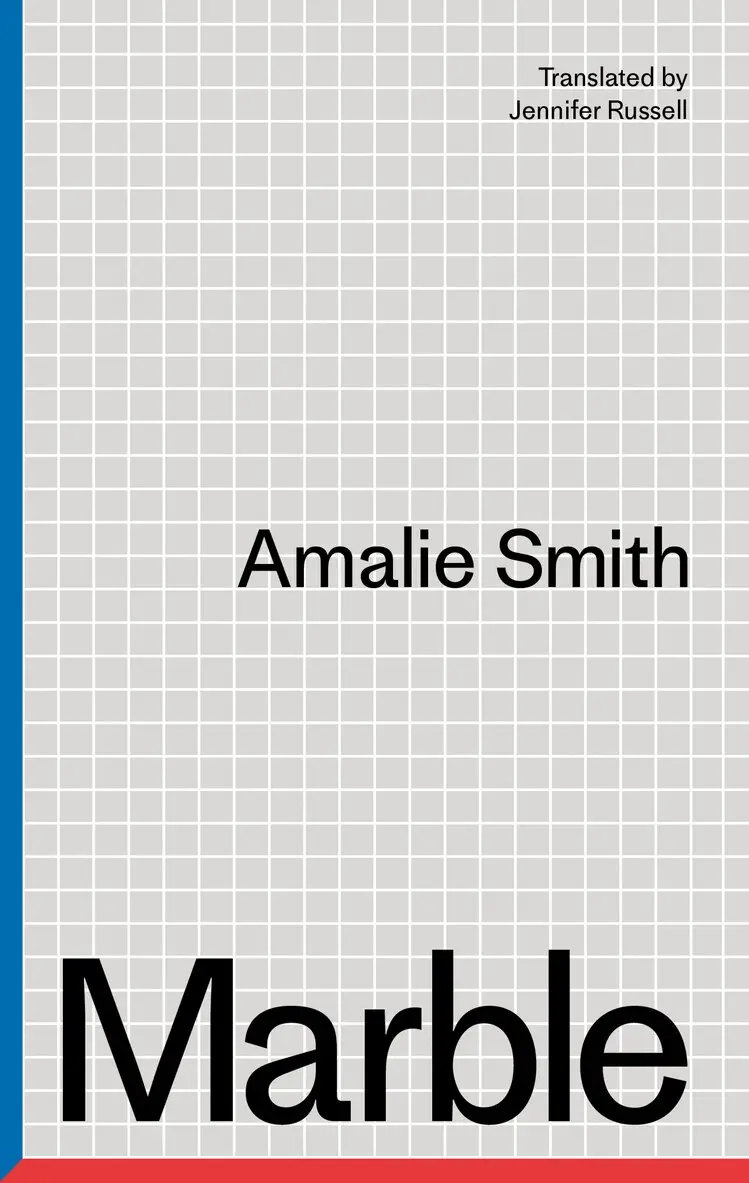
Amalie Smith ignites everyday encounters into sites of revelation and metamorphosis
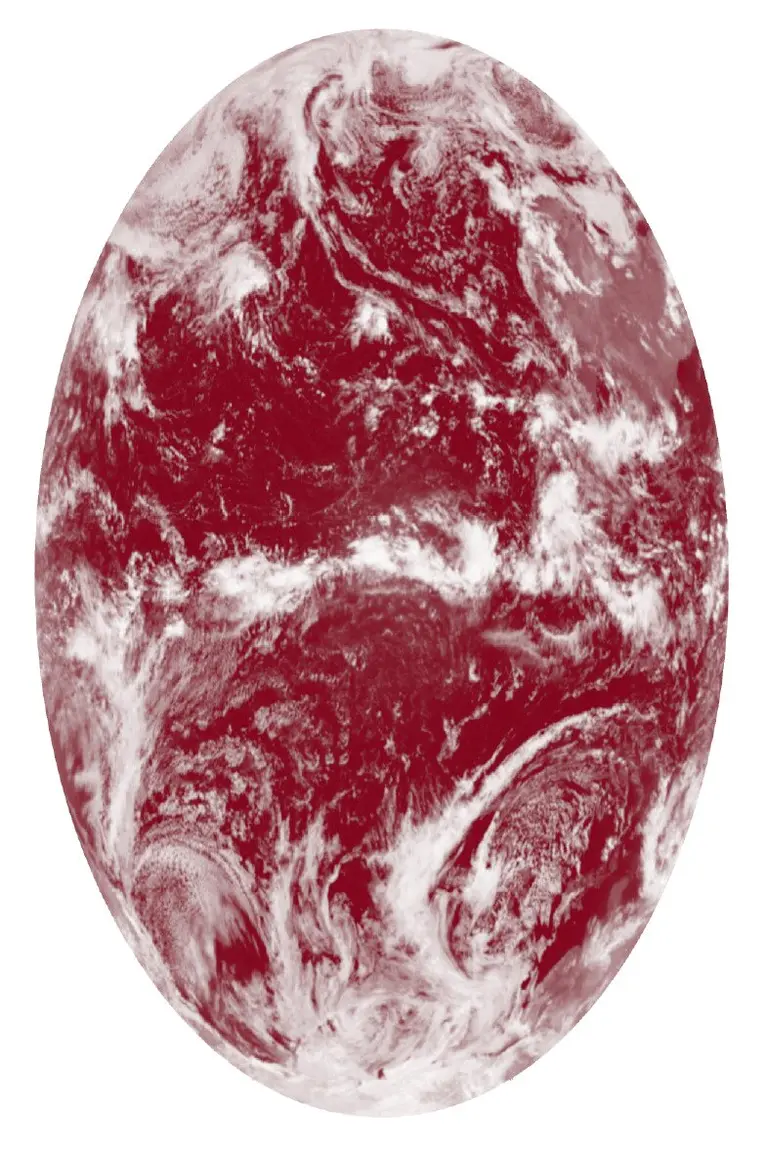
Recently unearthed from the ground, Marble leaves her new lover in Copenhagen and travels to Athens. The city is overflowing with colour, steam and fragrance, cats cry like babies at night, the economic crisis is raging. In this volatile landscape, Marble grasps the world by exploring its immediate surfaces. Capturing specks of colour on ancient sculptures in the Acropolis Museum with an infrared camera, she simultaneously traces the pioneering sculptor Anne Marie Carl-Nielsen, who spent several months in the same place 110 years earlier. Far away from her husband and children, Carl-Nielsen showed that Archaic sculptures were originally painted in bright colours – a feat which meant defying Victorian gender roles and jeopardising her marriage.
Sensuous and electric, yet admirably forensic in its approach to mineral life, Marble is a galvanizing novel about the materials life is made of, about korai and sponge diving, about looking and looking again, written in a spare and pellucid style.
Praise for Marble
Everything connects. In that Ali Smith/Isabel Waidner way, Amalie Smith manages to stuff a lot of topics in an economic way… Enriching and rewarding
– The Bobsphere
A resolute novel that, by virtue of its mix of literary suggestion, aesthetic experience and art historical insight, makes something that is simultaneously straightforwardly concrete and almost incomprehensibly abstract come alive
– Jyllands-Posten
Marble is not reminiscent of much else, but that does not make it odd. Just beautifully its own. It is made of the stuff art and literature is made of. In excess
– Berlingske
Amalie Smith brings marble to life
– Politiken ♥♥♥♥
Admirably vivid
– Information
Marble is an artistically ambitious and original attempt at creating an open, hybrid and ‘impure’ strand of novel which integrates and supplements fiction with factual and documentary elements… Amalie Smith digs into the material with knowledge, sensuality, and aesthetic sensibility
– Litteratursiden
Marble is a novel about insisting on the significance of surfaces, about longing and absorption, about diving and becoming porous. The book thinks across disciplines and aesthetic genre conventions, and hence it is no coincidence that Amalie Smith is a practising artist as well as a writer
– Vagant
AMALIE SMITH (b. 1985) is a Danish writer and visual artist. A graduate from the Danish Academy of Creative Writing and the Royal Danish Academy of Fine Arts, Smith has published eight hybrid books. She has received numerous awards for her work as an artist and writer, including the Danish Arts Foundation’s prestigious three-year working grant, the Danish Crown Prince Couple’s Rising Star Award, and the Bodil and Jørgen Munch-Christensen Prize for emerging writers.
JENNIFER RUSSELL has published translations of Amalie Smith, Christel Wiinblad, and Peter-Clement Woetmann. She was the recipient of the 2019 Gulf Coast Prize for her translation of Ursula Scavenius’s ‘Birdland’, and in 2020 she received an American-Scandinavian Foundation Award for her co-translation of Rakel Haslund-Gjerrild's All the Birds in the Sky.
215 kr
Skickas
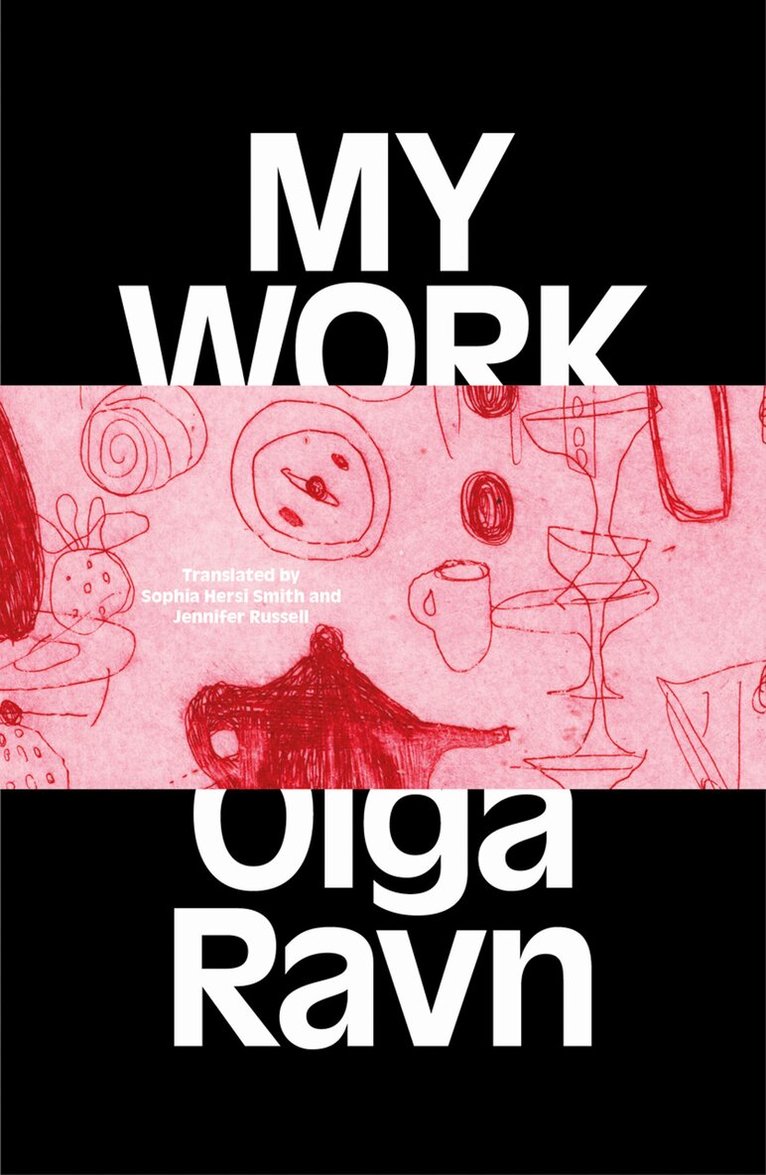
After giving birth, Anna is utterly lost. She and her family move to the unfamiliar, snowy city of Stockholm. Anxiety threatens to completely engulf the new mother, who obsessively devours online news and compulsively buys clothes she can’t afford. To avoid sinking deeper into her depression, Anna forces herself to read and write.
My Work is a novel about the unique and fundamental experience of giving birth, mixing different literary forms – fiction, essay, poetry, memoir, and letters – to explore the relationship between motherhood, work, individuality, and literature.
174 kr
Skickas
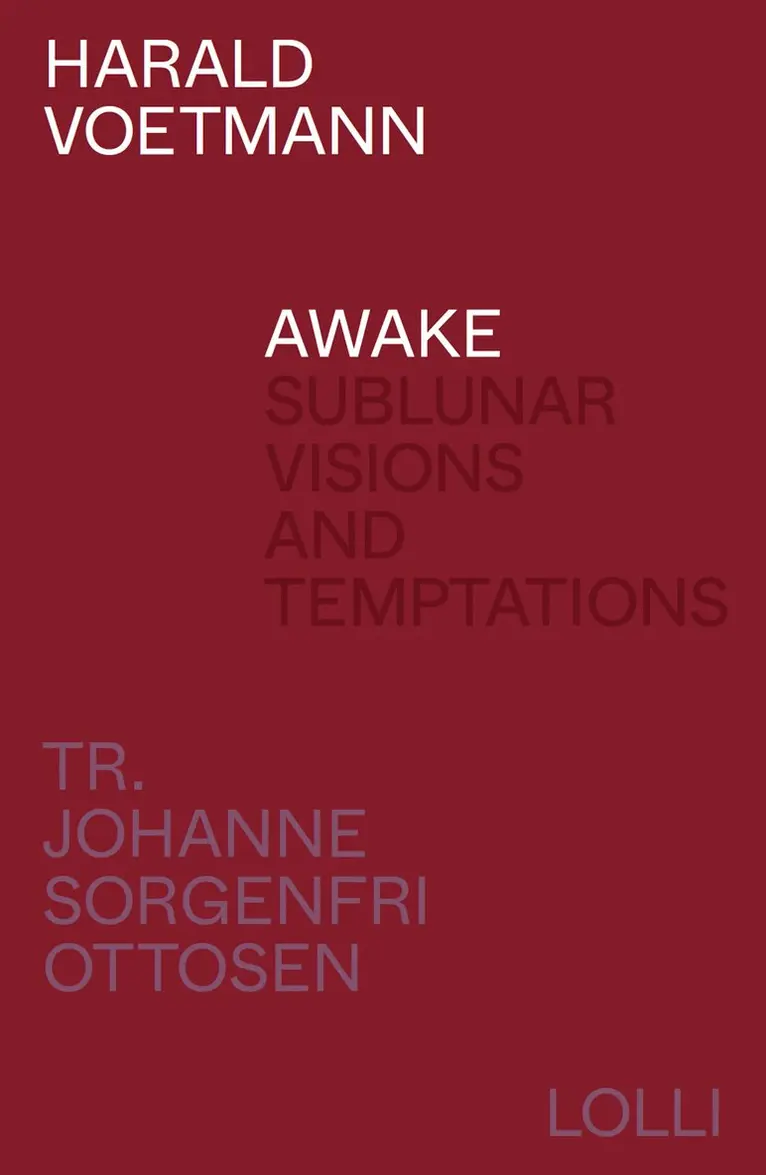
Harald Voetmann’s eye-opening English debut, Awake, is the first book of his erudite and grotesque trilogy about humankind’s inhuman will to conquer nature
In a shuttered bedroom in ancient Italy, the sleepless Pliny the Elder lies in bed obsessively dictating new chapters of his Natural History to his slave Diocles. Wheezing, imperious, and prone to nosebleeds, Pliny doesn’t believe in spending his evenings in repose. No – to be awake is to be alive. There’s no time to waste if he is to classify every element of the natural world in a single work. By day, Pliny the Elder carries out his civic duties and gives the occasional disastrous public reading. But despite his astonishing ambition to catalogue everything from precious metals to the moon, Pliny the Elder still takes pleasure in the common rose. After rushing to an erupting Mount Vesuvius, Pliny perishes in the ash, and his nephew, Pliny the Younger, becomes custodian of his life’s work. But where Pliny the Elder saw starlight, Pliny the Younger only sees fireflies.
In masterfully honed prose, Voetmann brings the formidable Pliny the Elder (and his pompous nephew) to life. Awake is a comic delight about one of history’s great minds and the not-so-great human body it was housed in.
Praise for Awake
Reading Voetmann’s books makes me feel so alive. His voice is like no other, his hold on his material masterful. You will never read anything like Awake – a hardcore, pulsating portrait of a first century Roman weirdo. A wonderful and unpleasant treasure
– Olga Ravn
Vivid, earthy, by turns hilarious, gross, and tragic, but always powerfully engaging. Reading and rereading this book remains a rare pleasure
– Susanna Nied
No one else can describe ancient life with such beauty and humour, while never sparing you from the gross and terrifying pain of being human
– Naja Marie Aidt
With a scholar’s knowledge and a poet’s playfulness, Harald Voetmann brings us into the mind and times of its protagonist, Pliny the Elder. Visceral and lyrical, entertaining and provoking, it evokes a dazzling world on the brink of destruction, resounding with our own conflicted age
– Sjón
This is an interesting book. The writing is beautiful. A fine translation by J.S. Ottosen
– Patti Smith
HARALD VOETMANN (b. 1978) was nominated for the Nordic Council Literature Prize and has written novels, short stories, poetry and a monograph on the Roman poet Sulpicia. He also translates classical Latin literature, notably Petronius and Juvenal. Awakeis the first in his series of three historical novels: the second centers on the sixteenth-century Danish astronomer Tycho Brahe, and the final book introduces the eleventh-century German mystic Othlo of St. Emmeram.
JOHANNE SORGENFRI OTTOSEN is a Danish translator. She currently lives in Copenhagen where she also works as an illustrator and literary editor.
189 kr
Skickas
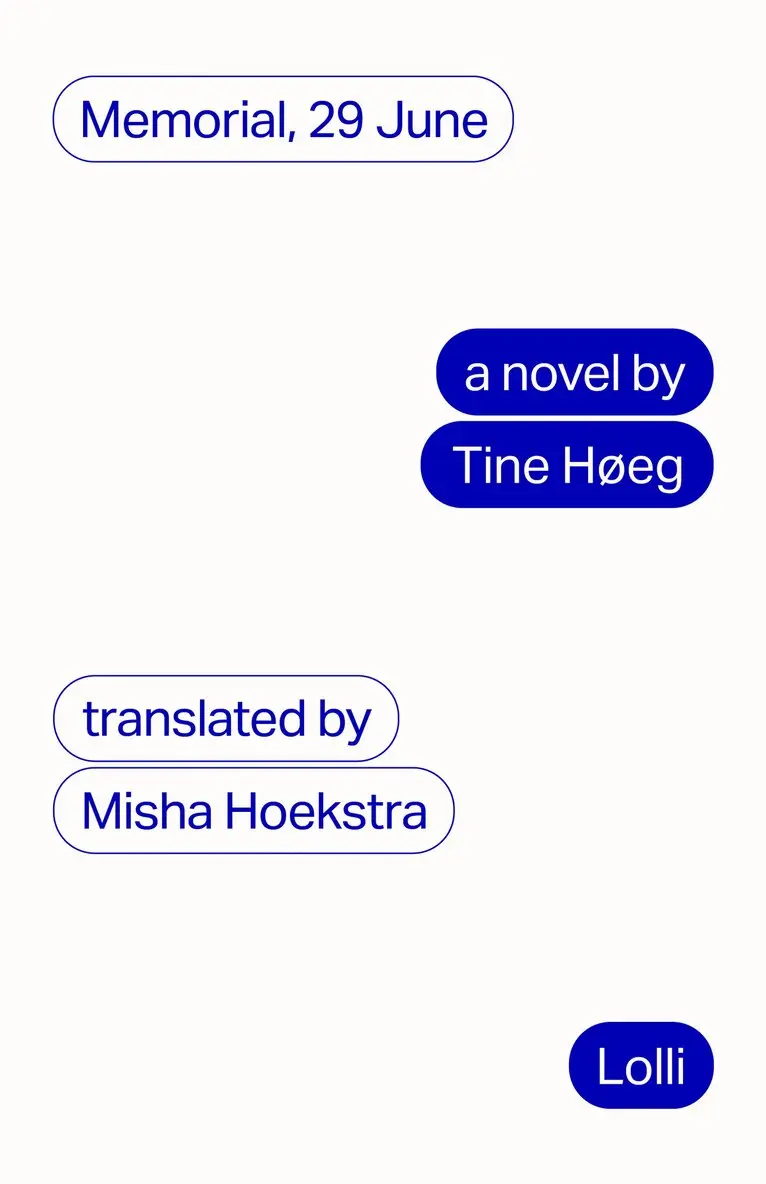
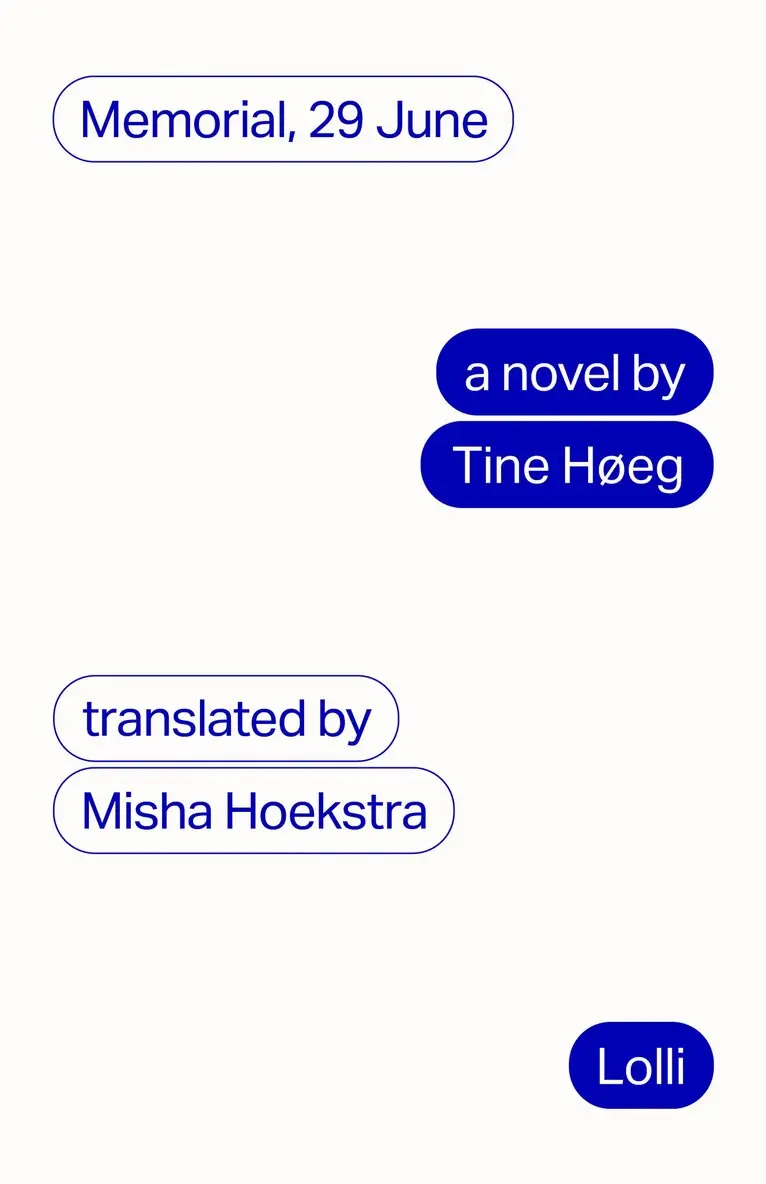
Celebrated for her signature insight and precision, Tine Høeg returns with a wry, haunting, and riotously funny novel about how loss is bound up with the urge to create
Asta is invited to a memorial. It’s been ten years since her university friend August died. The invitation disrupts everything – the novel she is working on and her friendship with Mai and her two-year-old son – reanimating longings, doubts, and the ghosts of parties past. Soon a new story begins to take shape. Not of the obscure Polish sculptor Asta wanted to write about, but of what really happened the night of August’s death, and in the stolen, exuberant days leading up to it. The story she has never dared reveal to Mai.
Moving between Asta’s past and present, Memorial, 29 June is a novel about who we really are, and who we thought we would become. It’s a novel about the intensity with which we experience the world in our twenties, and how our ambitions, anxieties, and memories from that time never relinquish their grasp on how we encounter our future.
In prose that shimmers like poetry, masterfully translated by Misha Hoekstra, Memorial, 29 June is an urgent yet tender reminder that sometimes pain is where the love is, and that grief, however thorny, should never go unspoken.
149 kr
Skickas
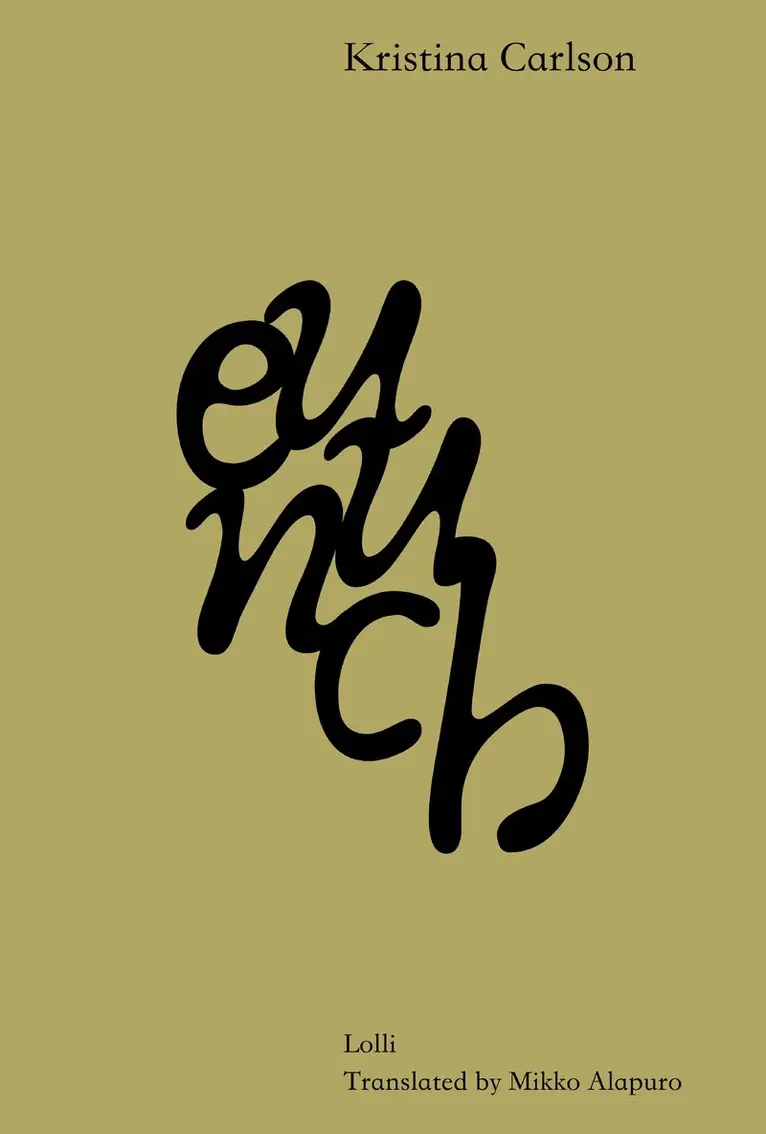
An ageing eunuch, named Wang Wei after the great poet, looks back on his life at the court of the Song dynasty in 12th-century China
Wang Wei has always chosen his words carefully. His unobtrusive presence has seen him through the reign of five emperors, but now, as his own time is running out, he immerses himself in an unbridled account of a life confined at court. From the early separation from his parents, sisters, and brother – who did not survive the operation into a eunuch – to the power struggles he has witnessed and endured, Wang Wei examines human relationships with precision and a catching sense of wonder. While rumours are weapons, it is love and its various forms of expression that most fascinate Wang Wei.
Reaching into a secret and secluded world, Carlson's vivid prose is as delicate as it is enigmatic. A meditation on power and exclusion, love and loneliness, gender and identity, ageing and transformation, Eunuch is a compact masterpiece.
102 kr
Läs direkt efter köp
151 kr
Skickas
179 kr
Skickas
Ananke’s death rips a huge hole in the lives of their friends. A member of the group reflects on their shared mourning, remembering times past: childhood holidays and idyllic summers, as well as tensions and arguments. Ananke is a constant, enigmatic presence, yet remains mysterious and out of reach. When the numbness of trauma becomes too much to bear, the group impulsively takes a road trip to dig up Ananke’s ashes and bring them back to the sea by the hut where Ananke used to live.
Stern’s contemplative, ethereal yet vivid prose brings heightened sensibility to the present moment and the obliquity of memory. Flouting gender pronouns and written entirely in minuscule, all this here, now is a vision of a more collectively grounded fiction where ‘we’ is stronger than ‘I’. The effect is as meditative as it is compulsively engaging, delivered in Damion Searls’ distinctive translation.
179 kr
Skickas
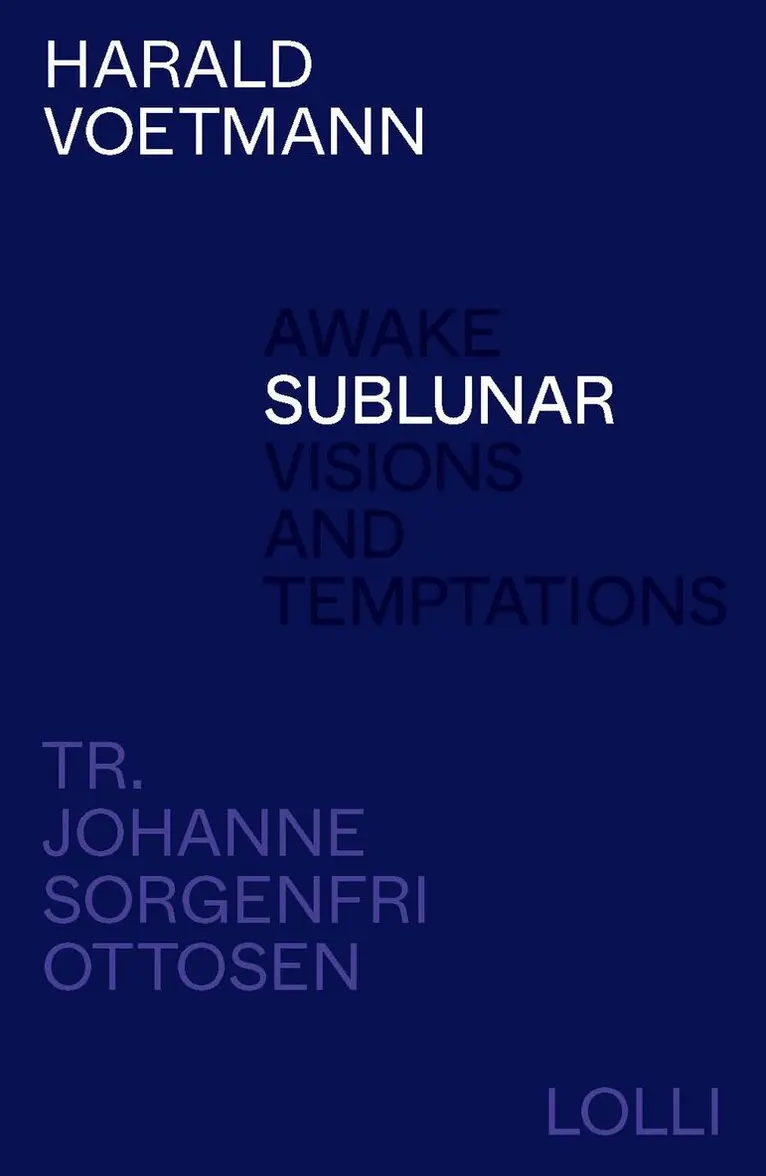
In the sixteenth century, on the island of Hven, the pioneering Danish astronomer, Tycho Brahe, is undertaking an elaborate study of the night sky
A great mind and a formidable personality, Brahe is also the world’s most illustrious noseless man of his time. Told by Brahe and his assistants—a filthy cast of characters—Sublunar is both novel and almanac. Alongside sexual deviancy, spankings, ruminations on a new nose—flesh, wood, or gold?—Brahe (a choleric and capricious character) and his peculiar helpers (“I would rather watch her globes tonight than icy stars”) take painstaking measurements that will revolutionize astronomy, long before the invention of the telescope. Meanwhile the plague rages in Europe…
The second in Voetmann’s triptych of historical novels, Sublunar is as visceral, absurd, and tragic as its predecessor, Awake, but with a special nocturnal glow and a lunatic-edged gaze trained on the moon and the stars.
126 kr
Skickas
When Alice is with Mathilde, her experience of the world shifts, as though Mathilde brings with her a force that charges everything around her: the park bench, the sticky linoleum floor of the supermarket, their interlocked hands, the buttons on a winter coat. But Mathilde is also mercurial and “perfectly” married to Alexander, and Alice is moving into a bigger flat with Simon who has just returned to her life. Alice’s precarious solution is to proceed into a quadrilateral relationship, impatient to define her own outline in the eyes of others.
Elastic is a novel about being a woman. About being a woman among other women, among men, and about being alone with one’s female body. Alice doesn’t like being a woman. She feels estranged from her own body, from her gender. At the same time, Elastic is also a modern love story. About Alice’s silenced yet stormy crush on the enigmatic Mathilde. A crush that has no place neither in Alice's relationship with Simon, in Mathilde’s marriage, or even in Alice herself.
Bille cleanly gleans the nebulous distinctions between love, sex and intimacy, exerting a softly fragmentary style that underpins Alice’s vacillations. She explores what it means to refuse settling – in a relationship, in society, and within oneself – and to want both love and community without being able to detach from the selfishness that brought us there in the first place.
Praise for Elastic
The tone of the novel is set from the very first page. Alice, a brilliantly honest main character, narrates the novel in a uniquely fragmented style. Bille uses creative imagery that is sometimes disturbing, but always poetic
– Buzz Magazine
Alice in Wonderland like you’ve never seen her before
– Octavia Bright
Bille’s Alice has relatives or even sisters in Françoise Sagan’s 1950s novels – there is something Saganesque about Elastic and its depiction of open love affairs and the complicated triangulations, mirroring and conflicts they might entail
– Politiken
A novel that speaks quietly and yet insistently of the loneliness of being in love and the feeling of being trapped in one’s own body
– Information
Elastic is difficult to let go of. It left me with the feeling of being seen. And not just seen: seen through
– POV International
Elastic is first and foremost a tale of Alice and her fumbling attempts to set love free. But it is the novel’s lonely, heartfelt voice and its unromantic depiction of love that gets stuck into your bones
– ATLAS
JOHANNE BILLE (b.1993) is a Danish novelist based in Copenhagen. Elastic is her second novel, originally published in Danish by Forlaget Gladiator in 2018.
SHERYLIN NICOLETTE HELLBERG is a literary translator. She has published translations of Tove Ditlevsen, Jonas Eika, and Ida Marie Hede. In 2018, she received an American-Scandinavian Foundation Award for her translation of Caspar Eric’s Nike.
177 kr
Tillfälligt slut
Má dreams of wealth and grandeur, Hieu dreams of Finnish girls. The younger brother, always on the periphery, always an observer, gradually disappears into his schoolwork, mesmerised by his own intellect.
The three of them form a solitary world in a small Ostrobothnian town on the west coast of Finland. Má and Hieu, constantly on a collision course with each other and the community’s suffocating social codes. They live among people who want to talk openly about everything, who don’t understand the necessity of sometimes remaining in the shade.
In sensitive and transfixing prose that has the effect of a series of tableaux, and with chapter headings reminiscent of the intertitles in a silent film, Tran’s multi-award-winning debut is a moving story about love, the compulsion to create, and the meaning of family.
189 kr
Tillfälligt slut
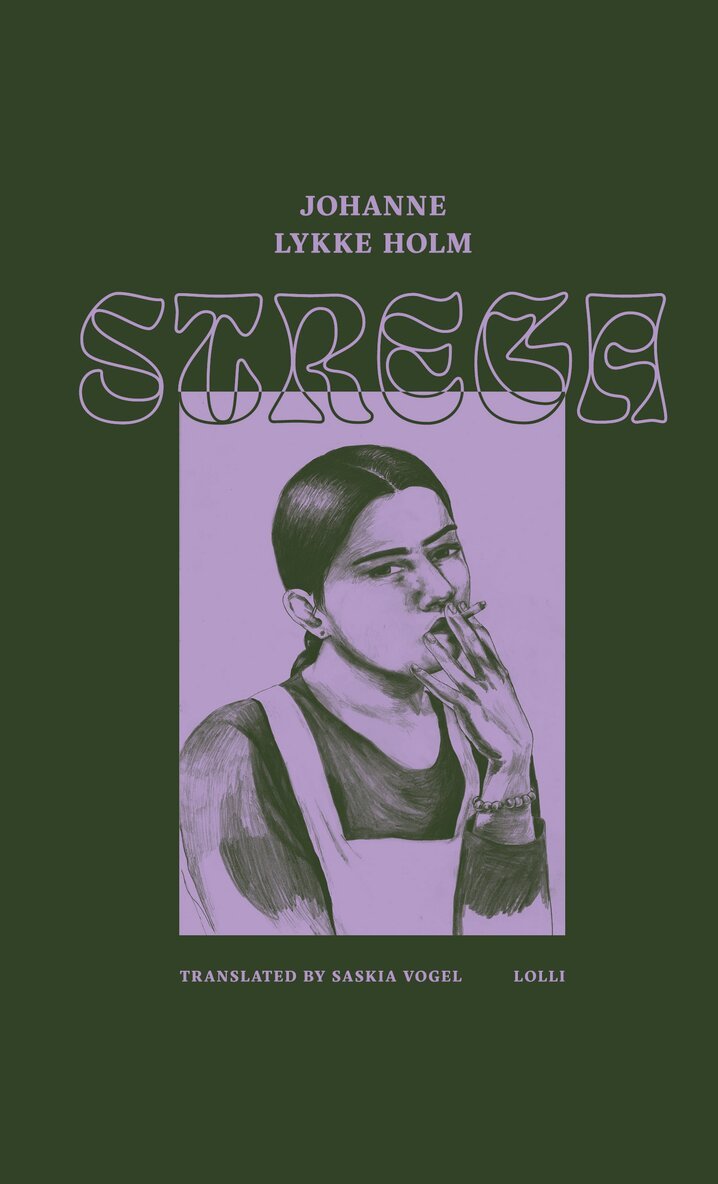
Powerfully inventive and atmospheric, Strega is a modern gothic story of nine young women on the cusp of inheriting society’s submission to violence, and the age-long myths that uphold it.
With little boxes of liquorice, hairbands, and notebooks in her bag, Rafa arrives at the remote Alpine town of Strega to work at the grand Olympic Hotel. There, she and eight other girls receive the stiff uniforms of seasonal workers and are taught to iron, cook, and make the beds by austere matrons. In spare moments between tasks, the girls start to enjoy each other’s company as they pick herbs in the garden, read in the library, and take in the scenery. But when the hotel suddenly fills with people for a raucous party, one of the girls disappears. What follows are deeper revelations about the myths young women are told, what they are raised to expect from the world, the violence they are made to endure, and, ultimately, the question of whether a gentler, more beautiful life is possible.
A monument to long-dead maids and their shrouded knowledge, Johanne Lykke Holm’s luminescent and jagged prose, delivered in Saskia Vogel’s incisive translation, resonates like a spell that keeps exerting its powers long after reading.
126 kr
Tillfälligt slut
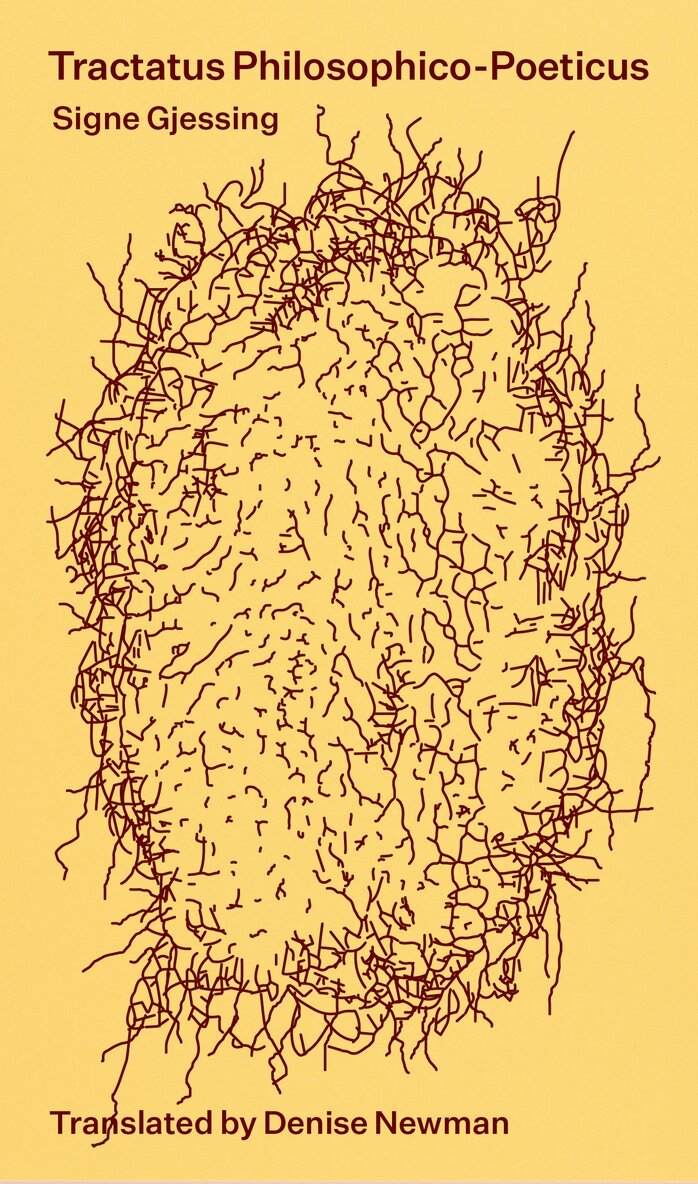
An exquisite, lyrical reimagining of Wittgenstein’s philosophical work of 1922, from a rising star on par with Inger Christensen
Ludwig Wittgenstein’s Tractatus Logico-Philosophicus, often noted as the most important philosophical work of the 20th century, had a broad goal: to identify the relationship between language and reality, and to define the limits of science.
Following on from Wittgenstein 100 years later, Signe Gjessing updates and reimagines the Tractatus, marrying poetry with philosophy to test the boundaries of reality. Stunning, knowing, and revitalising, and glinting with stars, silk, and ecstasy, this is poetry which exacts the logical consequence of philosophy, while locating beauty and significance in the nonsense of the world.
131 kr
Tillfälligt slut
177 kr
Tillfälligt slut
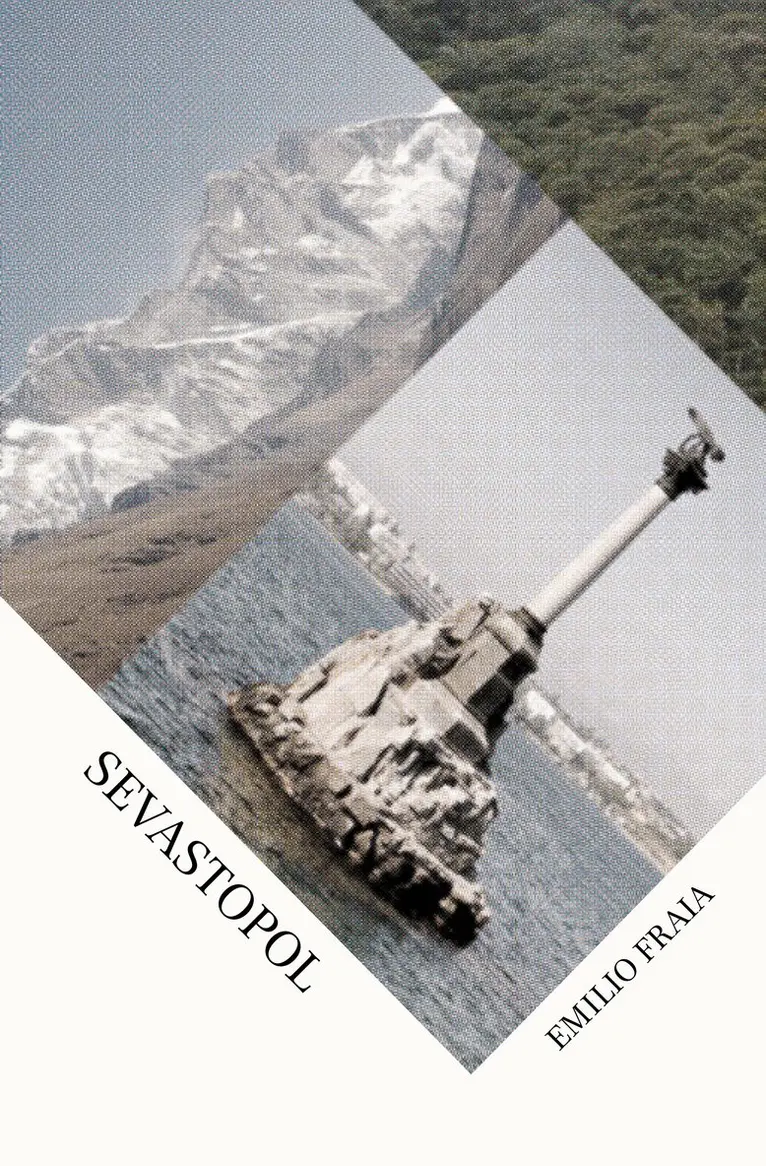
Three subtly connected stories converge in this chimerical debut, showcasing a powerful new Brazilian voice
Sevastopol contains three distinct narratives, each burrowing into a crucial turning point in a person’s life: a young woman gives a melancholy account of her obsession with climbing Mount Everest; a Peruvian-Brazilian vanishes into the forest after staying in a musty, semi-abandoned inn somewhere in the haunted depths of the Brazilian countryside; a young playwright embarks on the production of a play about the city of Sevastopol and a Russian painter portraying Crimean War soldiers.
Inspired by Tolstoy’s The Sevastopol Sketches, Emilio Fraia masterfully weaves together these stories of yearning and loss, obsession and madness, failure and the desire to persist, in a restrained manner reminiscent of the prose of Anton Chekhov, Roberto Bolaño, and Rachel Cusk.
Praise for Sevastopol
A truly beautiful book that is hard to describe without using words like precision, subtlety and, mostly, wisdom
– Alejandro Zambra
Like the writers I most admire, Fraia sets for himself the hardest and most respectable task a writer can face: unravelling the mystery without revealing the secret
– Javier Montes
Fraia captures a very specific sense of what it is like to live in São Paulo in the current political climate, but he also captures something much more universal: what it is like to live in a culture from which you feel entirely disconnected and, within that culture, to try to make art of any kind. I think that theme can speak to readers in any country
– Deborah Treisman
Graceful and melancholic, enhanced by Zoë Perry’s subtle translation... Impeccably realised, and this is another groundbreaking publication from newish Lolli Editions
– Catherine Taylor, The Irish Times
Somber, spare stories that let the reader crawl inside, searching for insight, only to be left greedily craving more
– Kirkus Reviews
If Graciliano Ramos describes the old, romantic Brazil of a century ago, Emilio Fraia describes something much more like the country that exists today—the country and people I know... The translation is excellent, by the way
– Benjamin Moser
Pointillist… The fragmentary character of this allusive, mercurial book is such that, when you finish it, you have an assortment of eye-catching puzzle pieces but no clear sense of how they’re meant to go together
– The Wall Street Journal
Beguilingly dreamlike… With remarkable agility, Fraia draws connections between voyeurism, narrative ethics, contemporary art and the no-man’s-land of memories that stir within dreams
– Adam Morris, TLS
EMILIO FRAIA was born in São Paulo in 1982. Sevastopol, his third book, was one of the winners of the Biblioteca Nacional Prize and a finalist for the Oceanos Prize and Jabuti Prize. One of Granta’s Best Young Brazilian Writers, Fraia has been awarded a Civitella Ranieri Writing Fellowship and is currently an editor at Companhia das Letras.
ZOË PERRY’s translations of contemporary Portuguese-language writers have appeared in The New Yorker, Granta, and Words Without Borders. She is a founding member of the London-based translators’ collective the Starling Bureau.
175 kr
Tillfälligt slut
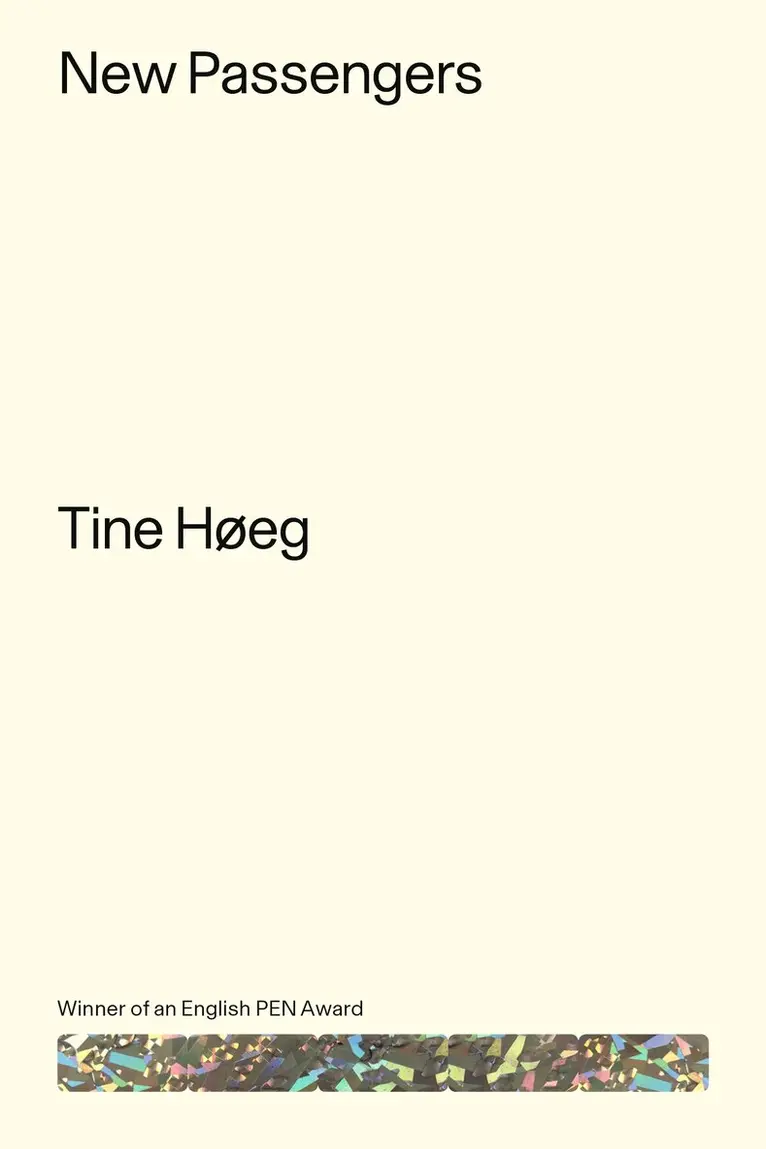
A song to new love, to the romp of the daily commute, to teachers and students everywhere, and to those flailing through adulthood like fish out of water
On her first day of work as a teacher, a young woman meets a married man on the train. They begin an affair, a ride which proves as jolting as her transition into the new job and the authority that comes along with it.
New Passengers is as audacious as it is enthralling, as wry as it is moving. Eliciting the speed of an express train and the immediacy of a text message, every line shimmers with quick-witted insight as Høeg casts a critical eye on the social mores that shape our lives. Winner of the Bogforum’s Debutantpris, the prize awarded each year for Denmark’s best fiction debut, the novel was adapted for the stage at the Royal Danish Theatre.
Praise for New Passengers
Høeg takes us on a journey that skilfully analyses the complexities of desire, loneliness, and the struggle to belong; the free verse style, with all of its shifting nuances and flashes of dark humour, is superbly translated by Misha Hoekstra
– Lunate
A brilliantly original novel in verse, New Passengers tells the story, taut and well-crafted, of a young woman’s disorientation and search for her adult self. . . In his masterful translation, Misha Hoekstra has captured the complex shifts and nuances of Tine Høeg’s unique poetic style, her sense of timing, and her humor, bringing to English one of Denmark’s most compelling new voices
– PEN America
I’m a firm believer of the axiom ‘less is more’ and New Passengers is proof of that. A few lines a page and yet these lines convey so much emotion and deep thinking that it is a wonder how so little on a page can contain so much clout. Intelligent, powerful and poignant
– The Bobsphere
This is a brilliantly accomplished novel, one that could easily be devoured in minimal sittings, but the poetry of the prose is worth relishing it for longer
– The Indie Insider
TINE HØEG (b. 1985) is a Danish author. Her novel New Passengers won Bogforum’s Debutantpris, the prize awarded each year for the best literary debut published in Denmark. Høeg’s own adaptation of the novel has been staged at the Royal Danish Theatre. She lives in Copenhagen.
MISHA HOEKSTRA has translated numerous Danish authors, including Hans Christian Andersen and Maren Uthaug. In 2017, he received the Danish Translation Prize, and his translation of Dorthe Nors’s Mirror, Shoulder, Signal was shortlisted for the Man Booker International Prize.